


Ceiling Mount Medical Monitor Arm for Flexible Care Spaces
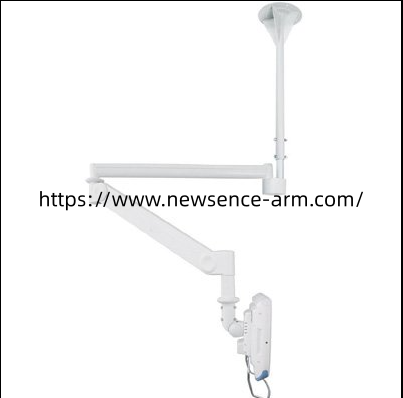
Healthcare facilities continually look for practical ways to arrange display equipment around changing clinical workflows. When floor and desk space are limited, a Ceiling Mount Medical Monitor Arm can provide an alternative mounting arrangement that keeps screens positioned above the working area. For projects involving multiple displays or specialized room layouts, a Ceiling Mount Medical Monitor Arm may also help planners coordinate screen placement with lighting, medical equipment, furniture, and staff movement.
Creating More Flexible Clinical Room Layouts
Treatment rooms, examination areas, and other clinical spaces often contain equipment that must remain accessible throughout daily operations. Placing monitors on desks or mobile stands can sometimes restrict movement or occupy areas needed for other devices. A ceiling-supported arrangement offers another way to organize the available space.
Before selecting a mounting solution, facility planners should consider the room's ceiling height, structural conditions, and the positions of nearby equipment. They should also identify where staff members usually stand or work when viewing the displays. These observations help determine a suitable mounting location and screen arrangement.
A clear layout plan is particularly useful when several departments are involved in a project. Facility managers, medical equipment teams, and installation professionals can review the same room plan and identify possible conflicts before installation begins.
Planning Dual-Monitor Display Requirements
Some clinical applications require more than one screen to present different types of information. A dual-monitor arrangement may allow users to view separate displays within the same working area, depending on the equipment and workflow.
When evaluating a dual-monitor support system, buyers should check the supported screen dimensions, individual monitor weight, mounting interface, and available adjustment functions. They should also consider the distance between the displays and whether both screens can be positioned conveniently for the intended users.
The arrangement should be planned around actual working practices rather than appearance alone. For example, the direction in which users face, the distance from the screens, and the location of other equipment can all influence the final position. Confirming these requirements early helps avoid changes after the equipment arrives.
Newsence-Arm and Ceiling Installation Planning
Ceiling-mounted equipment requires careful coordination with the building environment. Buyers should confirm the ceiling structure, available support points, installation clearance, and any relevant building requirements before choosing a product. The mounting system must be suitable for the installation conditions and the total supported equipment load.
Newsence-Arm provides monitor arm solutions for different display arrangements, including ceiling-mounted applications. When discussing a project, buyers can share the monitor models, screen sizes, weight information, room layout, and preferred mounting position. These details help make product discussions more focused and allow relevant specifications to be reviewed.
It is also important to coordinate installation with qualified personnel. Ceiling fixing methods and structural support should be assessed according to the product instructions and applicable facility requirements.
Coordinating Cables and Nearby Equipment
Cable planning is an important part of any ceiling-mounted display installation. Power and signal cables may need to run from ceiling-level connections to the monitors while avoiding interference with lighting, ventilation systems, and other equipment.
Before installation, teams can map the cable route and identify the required connection points. They should allow for any movement supported by the arm while keeping cables properly arranged. The planned route should also provide appropriate access for inspection and maintenance.
Nearby equipment deserves attention as well. Lights, ceiling-mounted medical devices, storage systems, and movable furniture may affect the available space. Reviewing these elements together helps reduce installation conflicts and supports a more coordinated room design.
Supporting Maintenance and Future Room Changes
Once the monitor system is installed, maintaining clear equipment records can make future servicing easier. Useful information includes the product model, monitor specifications, installation location, cable arrangement, and relevant maintenance instructions.
Facilities should establish a routine process for checking visible hardware, monitor positioning, cable condition, and adjustment functions. Any signs of damage, unusual movement, or loose connections should be handled according to the manufacturer's guidance and the facility's procedures.
Room layouts may change as departments update equipment or introduce new workflows. Keeping accurate installation records helps teams understand the existing setup before making modifications. To explore ceiling-mounted monitor solutions and discuss project requirements, visit https://www.newsence-arm.com/ for further product information.

 English
 Arabic
 Spanish
 Portuguese
 Deutsch
 Turkish
 Dutch
 Italiano
 Russian
 Romaian
 Portuguese (Brazil)
 Greek