


What Causes Temporary Skin Darkening After Laser Treatment?
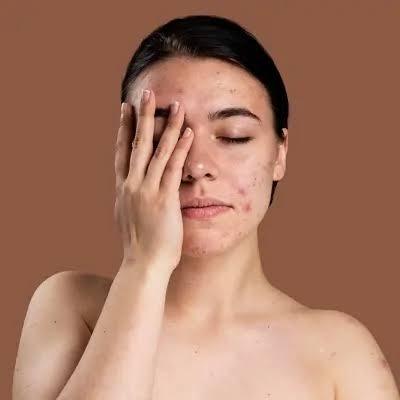
Laser treatment can improve certain skin concerns, including acne scars, uneven texture, and pigmentation. However, some patients notice that their skin looks darker instead of clearer during the days or weeks following a procedure. This can be worrying, especially when they expected their skin to look smoother immediately.
Temporary darkening after laser treatment is often related to the skin's natural healing response. In some cases, it occurs because inflammation stimulates pigment production, while in others, treated pigment becomes temporarily more noticeable before gradually fading.
For people considering laser procedures for a Facial Scar in Islamabad, understanding why this reaction happens can help them prepare for recovery and recognise when professional advice is needed.
Is Skin Darkening Normal After Laser Treatment?
Mild darkening can occur after certain laser procedures, particularly those targeting pigmentation or resurfacing the skin. The treated area may initially appear brown, reddish-brown, or slightly darker than the surrounding complexion.
This does not automatically mean the procedure has damaged the skin or failed. Depending on the laser type, the skin may temporarily develop tiny dark spots, light crusting, or increased pigmentation as part of the healing process.
The timing and appearance of the darkening matter. Mild, expected changes may settle as the skin recovers, but worsening discolouration or unusual symptoms should be assessed by a qualified practitioner.
What Causes Temporary Skin Darkening?
One of the main reasons for darkening after laser treatment is post-inflammatory hyperpigmentation (PIH). Laser energy creates a controlled response in the skin, and the resulting inflammation can stimulate melanocytes, the cells responsible for producing melanin.
When these cells produce extra pigment, the treated area may become darker. This reaction is more common in people who naturally have medium to deeper skin tones, although it can occur in anyone.
Another possibility is that the laser has targeted existing pigment. Some pigmentation treatments cause dark spots to become more visible temporarily before the body's natural healing processes gradually clear them.
Temporary darkening can therefore be part of the treatment response, but it should never be assumed to be harmless without considering the symptoms and procedure used.
Why Are Darker Skin Tones More Prone to Pigmentation Changes?
People with darker complexions generally have more active melanin production. Melanin helps protect the skin from ultraviolet radiation, but it can also respond strongly to inflammation or irritation.
After laser treatment, this response may lead to post-inflammatory hyperpigmentation. The risk depends on several factors, including skin type, laser wavelength, energy settings, treatment depth, and the individual's history of pigmentation.
This is particularly relevant for Pakistani patients, whose skin tones vary widely but often fall within medium to deeper complexion ranges.
Having darker skin does not mean laser treatment is unsuitable. It means the practitioner should carefully select the technology and settings to reduce unnecessary irritation and pigmentation risks.
Can Incorrect Laser Settings Cause Skin Darkening?
Yes. Laser settings play an important role in how the skin responds to treatment. Excessive energy, unsuitable wavelengths, or overly aggressive treatment can cause more inflammation than intended.
When the skin experiences excessive heat or injury, the risk of complications may increase. These can include persistent redness, blistering, burns, prolonged healing, and post-inflammatory hyperpigmentation.
The correct settings depend on the patient's skin tone, scar type, treatment area, and medical history. A laser procedure should always be customised rather than performed using identical settings on every patient.
Choosing an experienced practitioner and an appropriate device can help reduce avoidable risks.
Other Reasons Your Skin May Look Darker After Laser Treatment
Not every case of post-laser darkening has the same cause. The appearance may also depend on the procedure performed and how the skin is cared for during recovery.
For example, fractional resurfacing can produce temporary redness, dryness, and small crusted areas. Pigment-targeting lasers may cause existing dark spots to become darker before they gradually fade.
Other contributing factors include:
-
Sun exposure: UV radiation can stimulate melanin production and make pigmentation more noticeable after treatment.
-
Skin irritation: Scrubbing, exfoliating, or using strong skincare ingredients too soon can increase inflammation.
-
Picking at crusts: Removing peeling skin or tiny scabs can delay healing and increase the risk of dark marks.
-
Inadequate aftercare: Not following the practitioner's instructions may contribute to irritation and uneven recovery.
-
Previous pigmentation problems: People who develop dark marks easily after acne or minor injuries may have a higher risk of PIH.
Recovery depends on both the procedure and the care provided afterwards. Following professional instructions is essential for protecting the treated skin.
How Long Does Temporary Skin Darkening Last?
There is no fixed recovery period because different laser procedures affect the skin in different ways. Some treatment-related dark spots may become darker initially and then gradually fade over the following days or weeks.
Post-inflammatory hyperpigmentation can take considerably longer to improve. In some cases, it may persist for several months, particularly if the inflammation was significant or the area receives repeated sun exposure.
Patients receiving laser treatment for a Facial Scar in Islamabad should ask their practitioner what changes are expected with their particular procedure. A recovery timeline should be based on the treatment performed, not a general promise that all darkening will disappear within a few days.
How Can You Reduce the Risk of Skin Darkening?
Good aftercare can help reduce irritation and support the skin's natural recovery. Your practitioner may recommend gentle cleansing, moisturising, and sun protection according to the type and intensity of the laser procedure.
Avoid introducing strong skincare products immediately after treatment unless your practitioner approves them. Ingredients such as retinoids, exfoliating acids, and strong acne products may irritate recently treated skin.
Sun protection is especially important in Pakistan, where bright sunlight can contribute to pigmentation changes. Use a broad-spectrum sunscreen as advised, limit unnecessary direct exposure, and follow any additional recovery instructions.
Do not pick, scratch, or peel the treated area. Allowing the skin to heal naturally can reduce the risk of irritation and unwanted marks.
When Should You Contact Your Practitioner?
Mild darkening may be an expected response, but certain symptoms should not be ignored. If the treated area becomes increasingly painful, develops blisters, shows signs of infection, or becomes unusually swollen, contact your clinic promptly.
You should also seek advice if darkening continues to worsen, spreads beyond the treated area, or does not improve within the expected recovery period. A practitioner can determine whether the change is normal healing, post-inflammatory hyperpigmentation, or a complication requiring attention.
Early assessment is better than trying random creams or home remedies. Avoid applying bleaching products or strong active ingredients without professional guidance.
Can Laser Treatment Still Be Worth Considering for Facial Scars?
Yes. Laser procedures can improve selected acne scars and uneven skin texture when the technology and treatment plan are appropriate. However, results depend on scar depth, skin type, treatment settings, and individual healing response.
Some scars may respond better to procedures such as subcision, microneedling, or TCA CROSS rather than laser alone. A combination approach may sometimes be recommended, but it should be planned carefully.
For anyone seeking treatment for a Facial Scar in Islamabad, the consultation should include a discussion of possible pigmentation changes, expected downtime, and realistic results. The best treatment is one that balances improvement with skin safety.
Frequently Asked Questions
Does skin darkening mean laser treatment has failed?
No. Some laser procedures cause temporary darkening as part of the healing or pigment-clearing process. However, persistent or worsening changes should be assessed.
Can sunscreen prevent post-laser pigmentation?
Sun protection can reduce UV-related pigmentation risk, although it cannot guarantee that PIH will not develop. Follow your practitioner's sunscreen and aftercare recommendations.
Is post-laser hyperpigmentation permanent?
It is often temporary, but fading can take months. The duration depends on the severity of inflammation, skin type, and ongoing sun exposure.
Should I stop using my skincare products after laser treatment?
Some active products may need to be paused temporarily. Follow your practitioner's instructions about when to restart retinoids, exfoliants, and other potentially irritating ingredients.
Can people with darker skin tones have laser scar treatment?
Yes, many can be suitable candidates. Careful laser selection, conservative settings, and an experienced practitioner are important for reducing pigmentation risks.
Final Thoughts
Temporary skin darkening after laser treatment can result from inflammation, pigment changes, sun exposure, or unsuitable treatment settings. Understanding these factors and following proper aftercare can support safer recovery. Dynamic Aesthetic Clinic offers professional expertise, board-certified surgeons, and advanced techniques to help patients explore appropriate options for facial scar improvement while considering their skin tone and individual treatment needs.

 English
 Arabic
 French
 Spanish
 Portuguese
 Turkish
 Dutch
 Italiano
 Russian
 Romaian
 Portuguese (Brazil)
 Greek