


Why Does One Part of the Face Peel More Than Another?
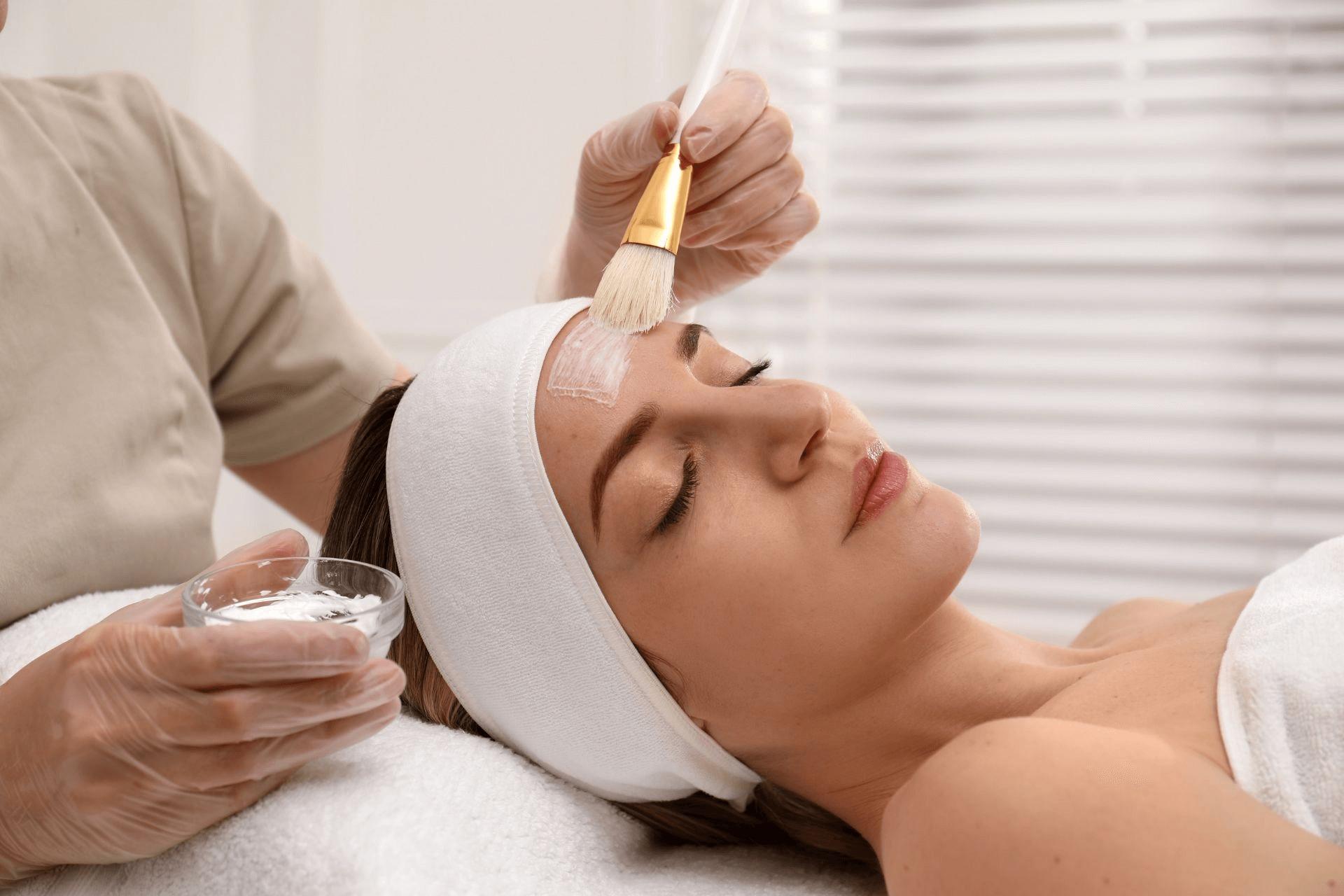
Have you ever noticed that your forehead starts flaking after a chemical peel while your cheeks still look completely normal? Or perhaps the skin around your mouth sheds more noticeably than the rest of your face. This uneven peeling can be confusing, especially when you expect your entire face to respond in the same way.
The truth is that different areas of the face do not always react identically to a chemical peel. Skin thickness, oil production, moisture levels, sensitivity, and previous sun exposure can all influence how much peeling occurs.
For anyone considering a Chemical Peel in Islamabad, understanding why some areas shed more than others can help set realistic expectations and make the recovery process less stressful.
Is Uneven Peeling Normal After a Chemical Peel?
Yes, uneven peeling can be a normal part of the skin's response to chemical exfoliation. A chemical peel works by applying a carefully selected solution that encourages the shedding of damaged surface cells and supports skin renewal.
However, the face is not made up of identical skin everywhere. Some areas have thicker or oilier skin, while others are naturally delicate and more prone to dryness.
As a result, one area may develop visible flakes while another experiences only mild dryness or almost no noticeable peeling. The amount of visible peeling does not necessarily indicate how effective the treatment has been.
1. Different Areas Have Different Skin Thickness
Skin thickness varies across the face, which can influence how it responds to a chemical peel. For example, the forehead, nose, cheeks, and areas around the mouth may react differently to the same treatment.
Thicker areas may tolerate certain exfoliating formulations differently from delicate areas. Meanwhile, thinner or more sensitive skin may become dry, irritated, or visibly flaky sooner.
This is one reason practitioners assess different facial zones before selecting a peel. A treatment suitable for the forehead may not be appropriate in the same way for the skin around the eyes or mouth.
2. Oil Production Is Not Equal Across the Face
The forehead, nose, and chin are commonly known as the T-zone. These areas often contain more active oil glands, which means they may behave differently from the cheeks or other parts of the face.
People with oily skin may notice that their T-zone feels greasy even when other areas are dry. This difference in oil production can influence how skin responds to exfoliating ingredients and how noticeable flaking becomes.
However, oily skin can still become dehydrated or irritated after a peel. Natural oil production does not protect every facial area from dryness or sensitivity.
3. Dry Areas May Show More Visible Flaking
Sometimes, the areas that peel most noticeably are not necessarily those receiving the strongest exfoliation. Existing dryness can make skin flakes more visible, particularly around the mouth, cheeks, and sides of the nose.
People who already have dry or dehydrated skin may experience more noticeable tightness after treatment. This can happen because the skin barrier needs time to recover from the exfoliating process.
Using suitable moisturising products after treatment can help support the skin barrier. However, applying too many products or using irritating ingredients may make discomfort worse.
Pre-existing dryness can influence how dramatic peeling looks after a chemical peel.
4. Previous Sun Exposure Can Affect Skin Response
Sun exposure is another factor that may contribute to uneven skin texture and peeling. Areas such as the forehead, nose, and cheeks often receive more direct sunlight than some other facial regions.
Repeated exposure can contribute to dryness, uneven pigmentation, and changes in skin texture. If certain areas are already damaged or sensitive, they may respond differently during recovery.
This does not mean that every sun-exposed area will peel more. The response depends on the individual's skin condition, the peel formulation, and the level of sun damage.
Consistent sun protection before and after treatment is important for supporting healthier recovery.
5. The Chemical Peel Formula May Affect Different Zones
Not every chemical peel uses the same ingredients or strength. Some formulations contain glycolic acid, lactic acid, salicylic acid, or mandelic acid, and each has different properties and potential uses.
The selected formulation, concentration, pH, application time, and method of application all influence the skin's response. Even when the same product is used across the face, individual areas may react differently.
A qualified practitioner may adjust the treatment approach according to skin sensitivity and the concerns being addressed. The goal is a controlled, appropriate response rather than maximum peeling.
6. Why Do the Nose and Mouth Sometimes Peel More?
The nose and mouth are two areas where people commonly notice uneven flaking. The sides of the nose can experience oiliness, dryness, and irritation, while the skin around the mouth may be affected by frequent movement, wiping, and exposure to skincare or oral-care products.
The corners of the mouth can also be particularly sensitive. If the skin barrier is already irritated, peeling may become more noticeable after exfoliating treatment.
It is important not to pull or scrub loose skin from these areas. Allowing the skin to shed naturally helps reduce the risk of unnecessary irritation.
7. What Should You Do When One Area Peels More?
Uneven peeling usually does not require aggressive intervention. The most important thing is to protect the skin while it recovers and follow the aftercare instructions provided by your practitioner.
For patients undergoing a Chemical Peel in Islamabad, the following habits can help support recovery:
-
Use a gentle cleanser: Avoid harsh soaps, exfoliating scrubs, and cleansing brushes while the skin is recovering.
-
Apply a suitable moisturiser: Choose a gentle product recommended by your practitioner to reduce dryness and support the skin barrier.
-
Wear broad-spectrum sunscreen: Protect exposed skin from sunlight, particularly when pigmentation is a concern.
-
Avoid picking or pulling flakes: Let loose skin shed naturally instead of trying to remove it manually.
-
Pause irritating skincare products: Retinoids, exfoliating acids, and other potentially irritating products should only be restarted when your practitioner advises.
-
Follow personalised aftercare: Your skin may need different care depending on the peel depth and individual response.
If you develop severe pain, blistering, significant swelling, worsening redness, or signs of infection, contact your treating practitioner promptly. These symptoms should not simply be dismissed as normal peeling.
8. Does More Peeling Mean Better Results?
It is easy to assume that the areas shedding the most skin are receiving the greatest benefit. However, visible peeling is not a reliable way to measure the success of a chemical peel.
Some superficial peels produce very little visible flaking while still helping improve selected concerns. Other treatments may cause more noticeable shedding without necessarily providing better results for every patient.
The purpose of treatment is to address specific concerns such as uneven tone, selected acne marks, or rough texture while protecting skin health. A successful peel is judged by the overall improvement and safety of the treatment, not by how much skin comes off.
9. When Should You Be Concerned About Uneven Peeling?
Mild dryness and flaking may occur during recovery, but symptoms that become increasingly uncomfortable deserve attention. Persistent irritation can sometimes indicate that the skin barrier has been affected more than expected.
Patients should seek professional advice if one area becomes significantly more painful, develops blisters, or shows worsening inflammation. New or increasing dark patches should also be assessed, particularly in people who are prone to post-inflammatory hyperpigmentation.
Avoid trying another exfoliating treatment to remove the remaining flakes. Giving the skin time to recover is usually more appropriate than adding further irritation.
What to Expect from a Chemical Peel in Islamabad
If you are considering a Chemical Peel in Islamabad, a professional skin assessment should come before treatment. The practitioner can examine your skin type, identify areas of dryness or sensitivity, discuss your concerns, and select an appropriate formulation.
You should also ask how long recovery may take, what level of peeling is expected, and which products should be avoided temporarily. Results and recovery experiences vary, so another person's peeling pattern should not be treated as a prediction of your own.
Choosing a clinic based on proper assessment, clear aftercare guidance, and realistic expectations is more important than looking for the strongest peel. Your skin's health should remain the priority throughout the treatment process.
Final Thoughts
One part of the face may peel more than another because facial skin varies in thickness, oil production, moisture levels, sensitivity, and previous sun exposure. Uneven flaking is often part of the individual recovery response and does not automatically mean that something has gone wrong.
For personalised guidance about chemical peels, Dynamic Aesthetic Clinic offers professional aesthetic care with experienced expertise, board-certified surgeons, and advanced techniques. Patients can seek an individual skin assessment to understand suitable treatment options and receive guidance on safe, appropriate aftercare.
Meta Description: Learn why facial areas peel differently after a Chemical Peel in Islamabad and how skin type, dryness, and aftercare affect recovery.

 English
 Arabic
 Spanish
 Portuguese
 Deutsch
 Turkish
 Dutch
 Italiano
 Russian
 Romaian
 Portuguese (Brazil)
 Greek