


How Early Can a Pregnancy Blood Test Detect Pregnancy?
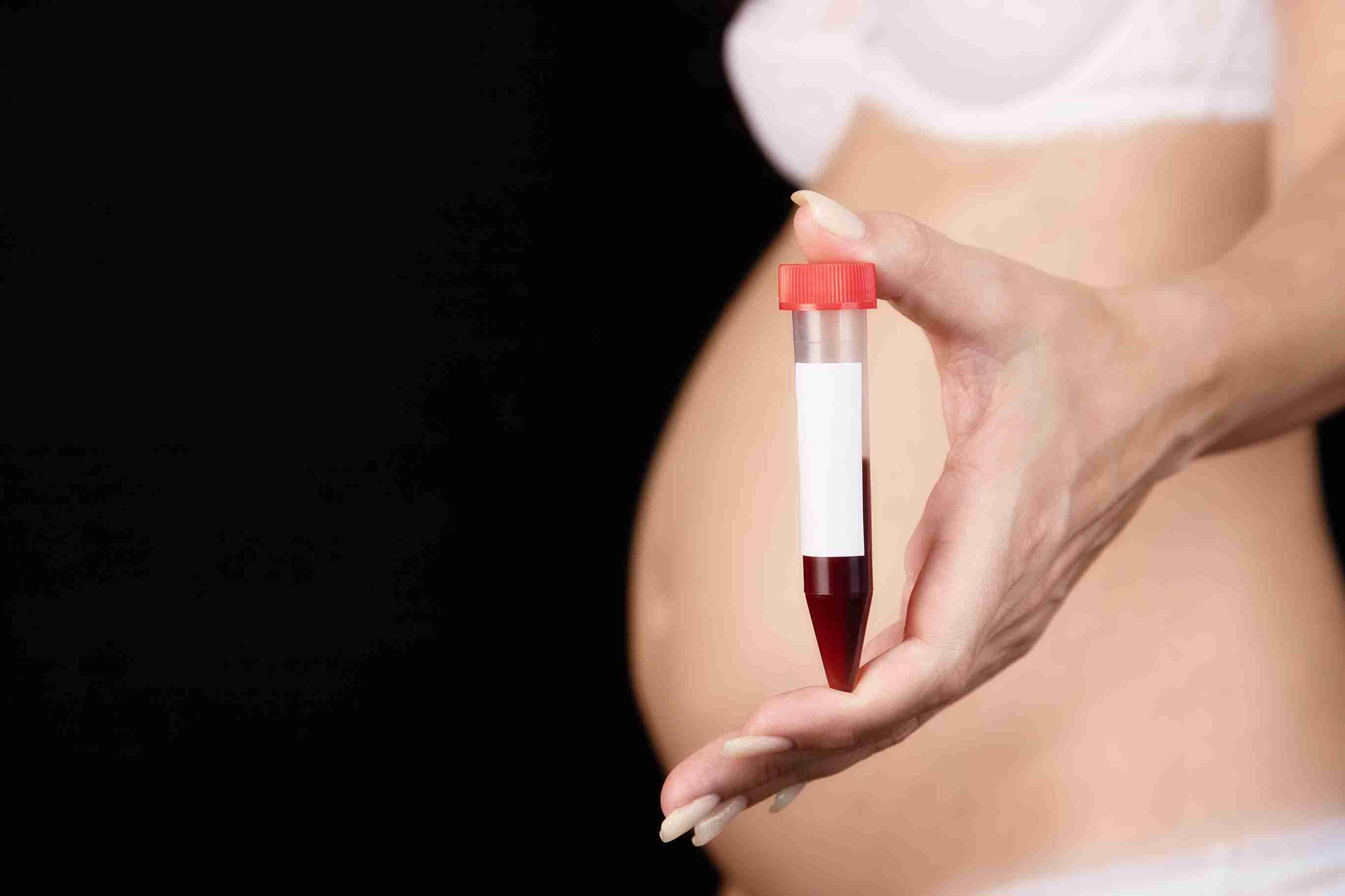
Waiting to find out whether you are pregnant can feel like an emotional journey. If you are trying to conceive, experiencing unusual symptoms, or hoping to confirm pregnancy before your missed period, you may wonder how soon a pregnancy blood test can provide an accurate answer.
A Pregnancy Blood Test Dubai is one of the most sensitive methods of early pregnancy detection. It measures human chorionic gonadotropin (hCG), a hormone produced after a fertilized egg implants in the uterus. Unlike home pregnancy tests that detect hCG in urine, blood testing can identify smaller amounts of this hormone and may confirm pregnancy earlier.
In some pregnancies, a blood test can detect hCG approximately 8 to 10 days after ovulation. However, the exact timing depends on implantation, hormone production, and the sensitivity of the laboratory test.
This guide explains how early pregnancy can be detected through blood testing, what happens inside your body after conception, when to schedule your test, and how to understand your results.
The Earliest Possible Time a Blood Test Can Detect Pregnancy:
A pregnancy blood test may detect pregnancy approximately 8 to 10 days after ovulation in some individuals. This is because hCG production begins after implantation, when the developing embryo attaches to the uterine lining.
However, this does not mean every pregnancy will produce a positive result during this early window.
Implantation timing varies, and hCG concentrations may initially be too low for laboratory detection. Testing too early can therefore produce a negative result even when pregnancy has occurred.
For more dependable results, testing on or after the expected menstrual period is generally a better approach.
Important: Early detection is possible, but a negative result before your missed period does not always rule out pregnancy.
What Happens in Your Body Before a Pregnancy Test Becomes Positive?
Understanding the biological process behind pregnancy detection helps explain why timing matters.
A pregnancy blood test cannot detect fertilization immediately. Several important stages must occur before hCG becomes measurable.
1. Ovulation Releases an Egg
During ovulation, one of your ovaries releases a mature egg. The egg can generally be fertilized for approximately 12 to 24 hours after release.
If sperm is present in the reproductive tract, fertilization may occur.
2. Fertilization Begins Early Embryo Development
After fertilization, the egg becomes a zygote and begins dividing into additional cells while traveling toward the uterus.
This early developmental stage takes several days.
3. Implantation Allows Pregnancy Hormone Production
The developing embryo reaches the uterus and may attach to the uterine lining approximately 6 to 12 days after ovulation.
After implantation, cells associated with the developing placenta begin producing human chorionic gonadotropin.
4. hCG Enters the Bloodstream
The pregnancy hormone enters the mother's bloodstream and gradually increases.
Once its concentration reaches the laboratory's detection threshold, a pregnancy blood test can identify it.
This process explains why blood testing becomes positive only after pregnancy-related hormone production has started.
Pregnancy Blood Test Detection Timeline: Day-by-Day Explanation
Although every pregnancy develops differently, the following timeline provides a general understanding of when testing may become useful.
| Time After Ovulation | What May Be Happening | Testing Possibility |
|---|---|---|
| Days 1–5 | Early embryo development | Usually too early |
| Days 6–7 | Implantation may begin | Usually too early |
| Days 8–10 | Implantation and early hCG production may occur | Detection possible in some pregnancies |
| Days 11–12 | hCG may become more detectable | Detection becomes more likely |
| Days 13–14 | Around the expected period for some cycles | Generally more informative |
| After missed period | hCG has had additional time to increase | More dependable results |
These are approximate stages, not guaranteed detection dates. The timing of implantation and the sensitivity of the blood test can influence the outcome.
Why Is a Pregnancy Blood Test More Sensitive Than a Urine Test?
Both blood and urine pregnancy tests detect human chorionic gonadotropin. However, they differ in their testing methods and detection thresholds.
A blood pregnancy test measures hCG directly in the bloodstream through laboratory analysis. A urine pregnancy test identifies the hormone in a urine sample.
Because blood testing can detect lower concentrations of hCG, it may identify pregnancy earlier than a standard home pregnancy test.
Here is how the two methods compare:
| Feature | Blood Pregnancy Test | Urine Pregnancy Test |
|---|---|---|
| Sample | Blood | Urine |
| Detection method | Laboratory analysis | Pregnancy test strip or device |
| Early detection | Can detect lower hCG levels | Usually requires higher hCG levels |
| Exact hormone measurement | Available | Generally unavailable |
| Result format | Qualitative or quantitative | Usually positive or negative |
| Testing location | Healthcare or laboratory setting | Usually at home |
| Best use | Early confirmation and hormone monitoring | Initial pregnancy screening |
A home pregnancy test is convenient and highly reliable when used correctly after a missed period. A blood test is particularly useful when earlier detection or more detailed hormone information is needed.
Which Type of Pregnancy Blood Test Detects Pregnancy Earlier?
Laboratories generally use two main types of hCG blood tests. Both can identify pregnancy hormone, but they provide different information.
Qualitative hCG Blood Test
A qualitative pregnancy blood test checks whether hCG is present above a specific laboratory threshold.
The result is generally reported as:
-
Positive: hCG has been detected.
-
Negative: hCG is below the detection threshold.
-
Borderline: Further assessment may be needed.
This test is useful when the primary purpose is to confirm whether pregnancy is likely.
Quantitative Beta hCG Blood Test
A quantitative beta hCG test measures the exact concentration of pregnancy hormone in your bloodstream.
Results are usually reported in milli-international units per milliliter (mIU/mL).
This test can be particularly useful during very early pregnancy because it provides numerical information rather than simply reporting a positive or negative result.
Healthcare professionals may recommend quantitative beta hCG testing when:
-
Pregnancy is suspected before a missed period.
-
An initial pregnancy test is inconclusive.
-
Hormone levels need to be monitored over time.
-
Someone has undergone fertility treatment.
-
There are concerns about possible early pregnancy complications.
Neither test can detect pregnancy before hCG production begins.
What Are Normal hCG Levels in Very Early Pregnancy?
Human chorionic gonadotropin levels generally increase during early pregnancy. However, the concentration varies considerably between individuals.
The following approximate reference ranges are commonly used:
| Pregnancy Week | Approximate hCG Level (mIU/mL) |
|---|---|
| 3 weeks | 5–50 |
| 4 weeks | 5–426 |
| 5 weeks | 18–7,340 |
| 6 weeks | 1,080–56,500 |
| 7–8 weeks | 7,650–229,000 |
| 9–12 weeks | 25,700–288,000 |
These values are general references and may differ between laboratories.
A low hCG result does not automatically mean something is wrong. It may indicate very early pregnancy, particularly if ovulation or implantation occurred later than expected.
Why Might Your Doctor Repeat an hCG Blood Test?
A single hCG measurement provides limited information about pregnancy development.
Healthcare professionals sometimes recommend repeating a quantitative beta hCG test after approximately 48 hours to assess how hormone levels are changing.
In many early pregnancies, hCG rises substantially over this period, although the rate varies depending on the starting concentration and individual circumstances.
A slow increase, plateau, or decrease may require further investigation. However, hCG trends alone cannot confirm miscarriage or diagnose an ectopic pregnancy.
Ultrasound and clinical assessment may be necessary.
Can You Get a Positive Blood Test Before Your Missed Period?
Yes. Some individuals receive a positive pregnancy blood test before their expected menstrual period.
This is possible because blood tests can detect lower hCG concentrations than most standard urine pregnancy tests.
However, early testing has certain limitations:
-
Implantation may not have occurred yet.
-
hCG production may have only recently started.
-
Hormone levels may remain below the laboratory threshold.
-
Ovulation may have happened later than expected.
If you test early and receive a negative result, consider repeating the test on the expected period date or after approximately 48–72 hours, depending on your healthcare professional's advice.
5 Factors That Can Affect Early Pregnancy Blood Test Results:
Even highly sensitive pregnancy blood tests can produce results that are difficult to interpret.
Understanding these factors can help you avoid unnecessary confusion.
1. Early testing: Testing before sufficient hCG production is the most common reason for an early false-negative result.
2. Late ovulation: If you ovulate later than expected, pregnancy detection may also occur later.
3. Implantation timing: Differences in implantation dates influence when hCG begins entering the bloodstream.
4. Fertility medications: Some fertility treatments contain hCG and may affect test results.
5. Recent pregnancy loss: hCG can remain detectable for some time after a pregnancy ends.
If your test result does not match your symptoms or menstrual history, discuss further testing with a qualified healthcare professional.
How to Get the Most Reliable Pregnancy Blood Test Result?
Although you generally do not need special preparation for an hCG blood test, choosing the right time can improve the usefulness of the result.
Follow these practical recommendations:
-
Track your menstrual cycle and estimated ovulation date.
-
Avoid relying on very early negative results.
-
Consider testing on or after your expected menstrual period.
-
Inform your healthcare professional about fertility medications.
-
Share details of previous pregnancy-related conditions.
-
Follow recommendations for repeat testing when necessary.
Fasting is generally not required for a pregnancy blood test. You can usually eat and drink normally before your appointment.
Frequently Asked Questions About Early Pregnancy Blood Testing:
1. Can a Pregnancy Blood Test Detect Pregnancy 7 Days After Ovulation?
Seven days after ovulation is generally too early for dependable pregnancy detection. Implantation may not have occurred, so hCG production may not have started.
2. Can a Blood Test Detect Pregnancy 10 Days After Ovulation?
Yes. Some pregnancies produce detectable hCG around 10 days after ovulation. However, a negative result at this stage does not completely rule out pregnancy.
3. Is a Pregnancy Blood Test More Accurate Before a Missed Period?
Blood testing can detect lower hCG concentrations than most urine tests, making it useful for early detection. However, neither method can reliably detect pregnancy before sufficient hCG is produced.
4. Can I Take a Pregnancy Blood Test at Any Time of Day?
Yes. Pregnancy blood tests can generally be performed at any time because hCG measurements are not normally affected by the time of day.
5. How Long Does It Take to Receive Pregnancy Blood Test Results?
Blood collection usually takes a few minutes. Laboratory processing may take several hours or one or more days, depending on the testing facility.
6. What If My Blood Pregnancy Test Is Negative but My Period Is Late?
If you tested early, your healthcare professional may recommend repeating the test after approximately 48–72 hours. They may also investigate other causes of a missed period.
Final Thoughts: When Is the Best Time to Detect Pregnancy?
A pregnancy blood Lab tests may detect pregnancy approximately 8 to 10 days after ovulation in some individuals, making it a valuable option for early pregnancy confirmation.
However, the earliest possible detection date is not necessarily the most reliable testing date. Implantation timing, hCG production, and individual menstrual cycle differences all influence results.
For more dependable information, consider testing on or after your expected menstrual period. If an early result is negative but pregnancy is still suspected, discuss repeat testing with a qualified healthcare professional.
Understanding how hCG develops and how blood pregnancy tests work can help you choose an appropriate testing time and make informed decisions about your reproductive health.

 English
 Arabic
 French
 Spanish
 Portuguese
 Deutsch
 Turkish
 Dutch
 Italiano
 Russian
 Portuguese (Brazil)
 Greek