


Heroin Addiction Treatment Center in India | Mental Health Care
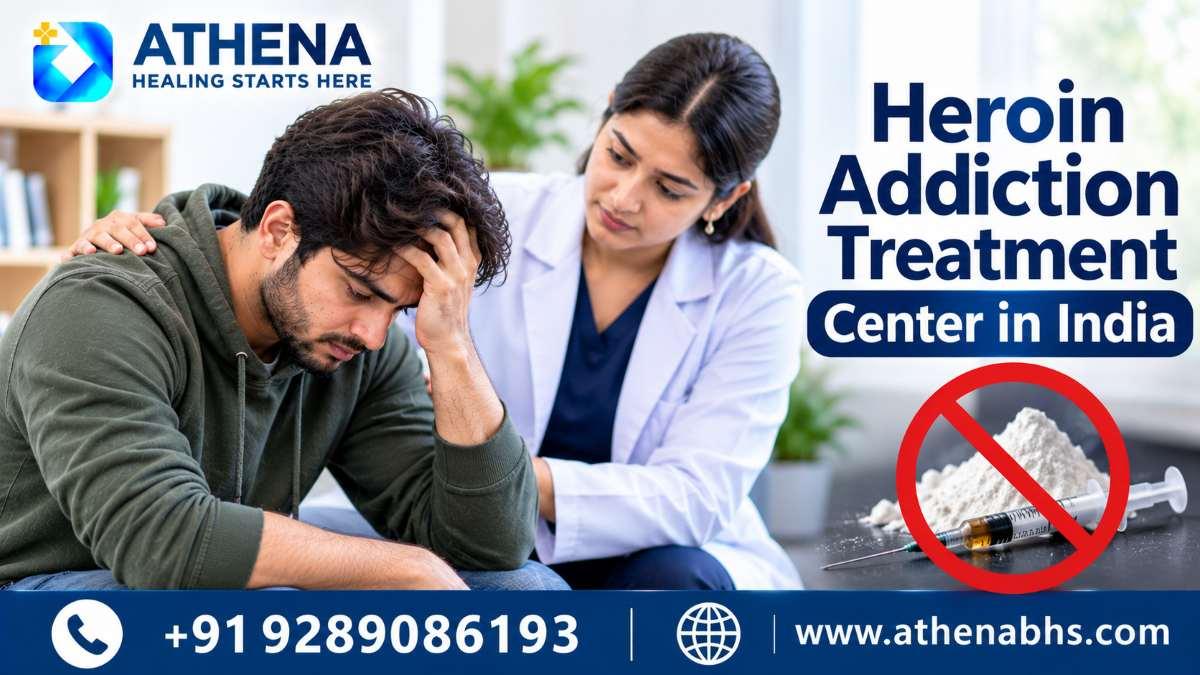
Heroin is an opioid drug that affects the brain's reward system and can create temporary feelings of pleasure and relaxation. Repeated use changes how the brain responds to rewards and can lead to physical dependence. Over time, individuals may experience intense cravings and continue using heroin despite its negative effects on their health, relationships, and responsibilities.
Understanding Heroin Addiction and Its Effects on Daily Life
Heroin addiction is a serious health concern that can affect a person's physical health, emotional well-being, relationships, and everyday responsibilities. Repeated heroin use can lead to dependence, strong cravings, and difficulty stopping without professional support. Seeking Heroin Addiction Treatment at the right time can help individuals understand their condition, manage withdrawal symptoms safely, and work towards a healthier lifestyle. Professional care focuses on addressing both the physical and psychological effects of addiction through appropriate medical supervision, counselling, and long-term recovery planning.
Understanding these effects is an important step towards seeking suitable care. A professional assessment can help identify the severity of dependence, associated health concerns, and any mental health difficulties that may influence recovery.
Common Signs and Symptoms of Heroin Dependence
Heroin addiction can affect individuals differently depending on the frequency of use, duration of dependence, and overall health. Some common signs include:
- Strong cravings and difficulty controlling heroin use.
- Changes in sleeping and eating patterns.
- Withdrawal from family members and social activities.
- Reduced interest in work, education, or personal responsibilities.
- Mood changes, irritability, anxiety, or emotional distress.
- Continued drug use despite physical, emotional, or financial problems.
Physical symptoms may also include nausea, sweating, muscle aches, restlessness, and digestive discomfort, particularly during withdrawal.
Recognising these warning signs can help families encourage professional assessment without blaming or judging the affected individual.
How Heroin Addiction Affects Physical and Mental Health
Long-term heroin use can increase the risk of several health complications. These may include respiratory problems, infections, digestive difficulties, and other medical concerns. Sharing injection equipment can also increase the risk of blood-borne infections.
The psychological effects can be equally challenging. Some individuals experience depression, anxiety, emotional instability, or difficulty concentrating. Existing mental health conditions may become more difficult to manage when combined with substance dependence.
This is why addiction care should consider both physical and psychological health. Addressing these concerns together can help create a more complete treatment plan.
Choosing the Right Heroin Addiction Treatment Center
Choosing an appropriate treatment facility is an important decision for individuals and families dealing with heroin dependence. The right facility should provide professional assessment, suitable medical supervision, psychological support, and a structured approach to recovery.
A reliable Heroin Addiction Treatment Center should consider the individual's medical history, substance use patterns, emotional health, and personal circumstances before recommending treatment. Care should be based on clinical needs rather than a standard programme for everyone.
Important Factors to Consider Before Selecting a Treatment Facility
Before choosing an addiction treatment facility, families should understand the services available and the qualifications of the healthcare professionals.
Some important factors include:
- Qualified professionals: Look for appropriately trained psychiatrists, doctors, psychologists, and addiction-care professionals.
- Medical assessment: The facility should evaluate physical health, withdrawal risks, and possible complications.
- Personalised treatment: Treatment plans should reflect individual symptoms, needs, and recovery goals.
- Psychological support: Counselling and appropriate therapies can help address emotional and behavioural concerns.
- Patient safety: The treatment environment should protect privacy, dignity, and patient rights.
- Continuing care: Follow-up support should be available to help individuals maintain progress after discharge.
Families should also ask about admission procedures, treatment costs, emergency arrangements, and the availability of appropriate medical services.
The Importance of Individualised Addiction Care
Every person's experience with heroin addiction is different. Some individuals may have a shorter history of drug use, while others may have experienced dependence for several years. Medical conditions, previous treatment experiences, family circumstances, and mental health concerns can also influence treatment needs.
An individualised programme begins with a detailed assessment and develops treatment goals according to the person's condition. Healthcare professionals may recommend medical monitoring, psychological therapies, medication when appropriate, and structured recovery activities.
This approach allows treatment to address the underlying challenges associated with addiction rather than focusing only on stopping drug use.
Heroin Addiction Treatment Methods for Safe Recovery
Effective addiction treatment requires attention to both physical dependence and psychological well-being. Withdrawal management, medical care, counselling, and ongoing monitoring may all form part of a suitable treatment programme.
Professional Heroin Addiction Treatment in India should be guided by qualified healthcare providers who can evaluate individual risks and recommend appropriate clinical interventions. Treatment methods may differ according to the severity of dependence, previous medical history, and other health concerns.
Medical Detoxification and Withdrawal Management
Detoxification is often an important early stage of treatment for individuals experiencing physical dependence on heroin. When heroin use is reduced or stopped, withdrawal symptoms may develop. These can include muscle aches, sweating, nausea, vomiting, diarrhoea, restlessness, anxiety, and sleep difficulties.
Medical supervision can help healthcare professionals monitor symptoms, assess complications, and provide appropriate supportive care. Depending on the individual's condition, doctors may also recommend evidence-based medications to manage opioid withdrawal and support longer-term treatment.
Patients should not attempt to manage severe withdrawal or discontinue opioid use without professional guidance. A medically supervised approach can make the process safer and help individuals move towards the next stages of recovery.
Counselling and Behavioural Therapy
Counselling is an important part of addiction treatment because it helps individuals understand the thoughts, emotions, and situations associated with substance use.
Different psychological approaches may be recommended according to individual needs. These can include:
- Cognitive behavioural therapy to identify and change unhelpful thinking and behaviour patterns.
- Motivational interviewing to strengthen personal motivation for recovery.
- Individual counselling to explore emotional difficulties and personal challenges.
- Family counselling to improve communication and develop supportive relationships.
Therapy can also help individuals recognise triggers, manage cravings, develop healthier coping strategies, and make more informed decisions. Regular sessions allow treatment goals to be reviewed as recovery progresses.
Integrated Psychiatric and Mental Health Support During Recovery
Heroin addiction can occur alongside mental health difficulties such as depression, anxiety, trauma-related symptoms, and emotional distress. These concerns may influence substance use and make recovery more challenging if they are not addressed appropriately.
A Psychiatric Rehab Centre in India may provide access to psychiatric assessment and mental health support for individuals who need specialised care. Integrated treatment considers addiction and associated psychological concerns together, helping professionals develop a more suitable care plan.
Addressing Mental Health Conditions Alongside Addiction
Some individuals may experience mental health symptoms before developing substance dependence, while others may notice emotional difficulties during or after prolonged drug use. A comprehensive psychiatric evaluation can help identify these concerns.
Depending on the assessment, treatment may include psychiatric consultations, psychological therapy, medication management, and regular monitoring. If medication is prescribed, it should be taken according to professional instructions.
Access to Mental Health Treatment In Gurgaon may also be helpful for individuals who need support for emotional or psychiatric concerns alongside addiction recovery.
Treating both conditions can help individuals better understand their symptoms, improve emotional stability, and develop healthier ways to respond to stress and difficult situations.
The Role of Family Support and a Positive Treatment Environment
Family support can make a meaningful difference during addiction treatment. Heroin dependence can affect trust, communication, finances, and relationships, so rebuilding family connections may take time and patience.
Relatives can support recovery by listening without judgement, encouraging professional treatment, and learning about addiction from qualified healthcare providers.
A positive treatment environment should promote respect, privacy, and emotional safety. Individuals should feel comfortable discussing their difficulties and participating in treatment decisions. When appropriate and with the patient's consent, family members can also take part in educational sessions or counselling.
Long-Term Recovery After Heroin Addiction Treatment
Completing an initial treatment programme is an important achievement, but recovery often requires continued attention and support. Returning to everyday life may bring challenges involving work, relationships, social situations, and exposure to previous triggers.
A structured Heroin Addiction Treatment Rehab Center programme may include continuing care planning, relapse-prevention education, follow-up counselling, and guidance on maintaining healthy routines. The purpose is to help individuals apply the skills developed during treatment to real-life situations.
Building Healthy Habits and Preventing Relapse
Developing healthier routines can support long-term recovery. Regular sleep, balanced nutrition, physical activity, and meaningful daily activities may help individuals establish greater stability.
Recognising personal triggers is also important. Certain environments, stressful situations, social influences, or emotional difficulties may increase the risk of returning to substance use.
Individuals can work with healthcare professionals to develop a relapse-prevention plan that identifies warning signs and appropriate responses. If a relapse occurs, it should be treated as a reason to seek timely professional reassessment rather than as a reason to abandon recovery.
For people receiving medication for opioid use disorder, continuing treatment as prescribed is important. Medication should never be stopped or changed without consulting the treating professional.
Follow-Up Care and Continued Professional Guidance
Follow-up care helps individuals maintain contact with healthcare professionals after completing an initial programme. Regular appointments can provide opportunities to discuss cravings, emotional challenges, medication concerns, and changes in daily functioning.
Continuing support may involve individual counselling, family sessions, medical reviews, and appropriate peer-support programmes. These services can help individuals remain connected to their recovery goals and receive assistance when new challenges arise.
Recovery is not the same for everyone, and progress may involve both improvements and setbacks. Having access to professional guidance and a supportive environment can help individuals continue working towards a healthier and more stable future.
Conclusion
Heroin addiction can affect every aspect of a person's life, but appropriate professional support can help individuals take meaningful steps towards recovery. Early assessment, medically supervised withdrawal management, psychological therapies, psychiatric care, and continued follow-up can all contribute to a structured treatment approach.
Choosing the right facility is important because every individual has different medical, emotional, and personal needs. Professional Heroin Addiction Centre in India can help individuals understand their condition, manage addiction-related challenges, and develop healthier habits for the future.
Athena Behavioral Health focuses on providing information and support for individuals and families exploring mental health and addiction care options. For more information, Call this number +91 9289086193.
Frequently Asked Questions (FAQs)
- What is heroin addiction treatment?
Heroin addiction treatment involves medical care, withdrawal management, counselling, and ongoing support to address opioid dependence. - How long does heroin addiction treatment take?
Treatment duration varies depending on the severity of dependence, medical needs, and individual progress. - Can heroin addiction be treated with medication?
Yes, qualified doctors may recommend medications such as buprenorphine or methadone as part of evidence-based opioid addiction treatment. - Why is counselling important during heroin addiction recovery?
Counselling helps individuals understand triggers, manage cravings, develop coping skills, and address emotional challenges. - Can family members support someone recovering from heroin addiction?
Yes, family members can encourage treatment, offer non-judgemental support, and participate in counselling when appropriate.

 English
 Arabic
 French
 Spanish
 Portuguese
 Deutsch
 Dutch
 Italiano
 Russian
 Romaian
 Portuguese (Brazil)
 Greek