


How Many Doses of the HPV Vaccine Are Needed?
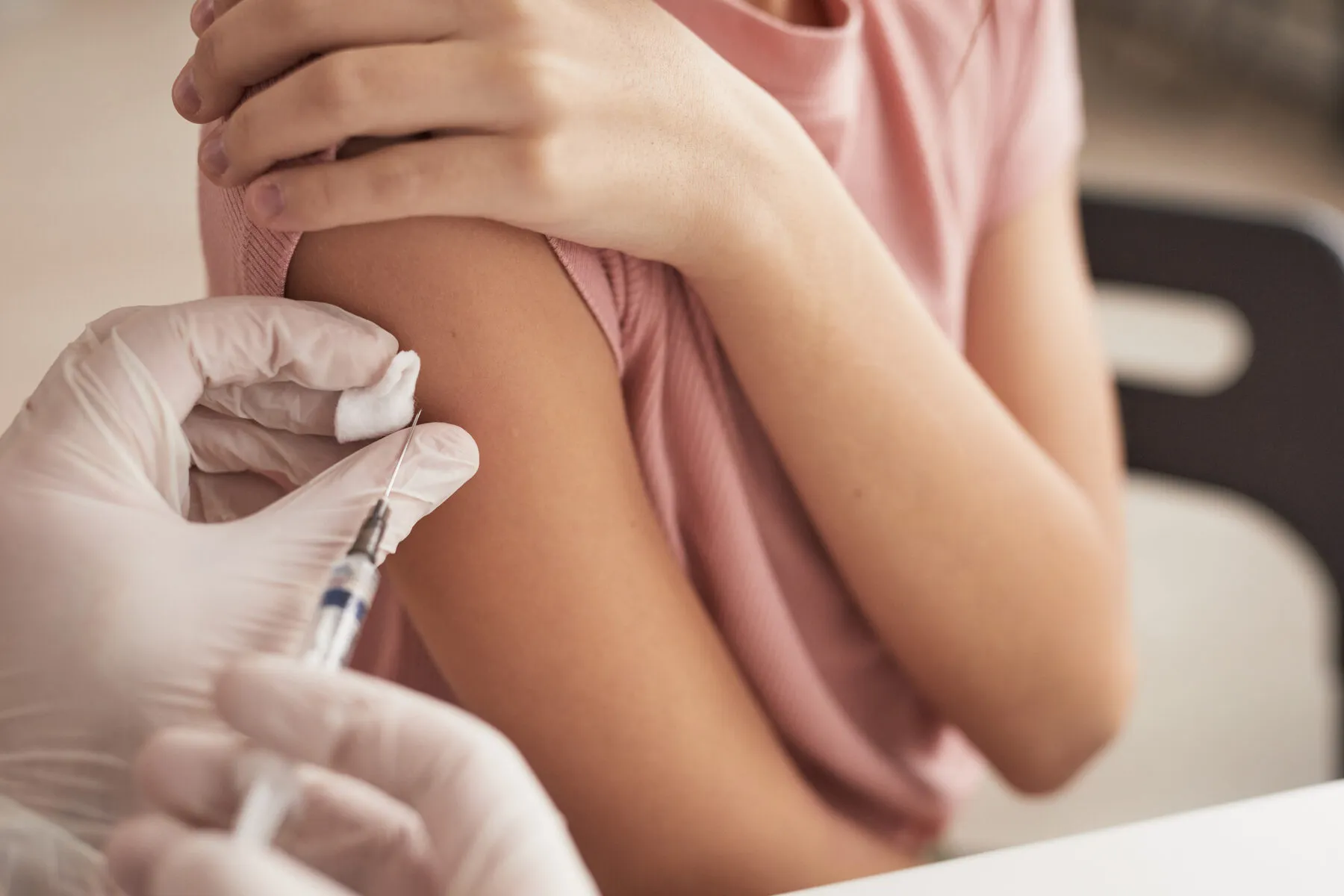
Understanding the recommended vaccination schedule is an important part of protecting yourself and your family against human papillomavirus (HPV). If you are considering HPV Vaccine at Home in Dubai, knowing how many doses are required can help you plan appointments and complete the vaccination process on time. A qualified healthcare professional, including a Doctor at Home when appropriate, can review the recipient’s age, medical history, and previous vaccination records to recommend the correct schedule. In most cases, people need either two or three doses, depending on when they receive their first dose and whether they have certain medical conditions.
Why Is More Than One HPV Vaccine Dose Needed?
The HPV vaccine is designed to help the immune system develop protection against selected types of human papillomavirus. Completing the recommended doses helps establish an appropriate immune response and provides protection against infections that can cause certain cancers and genital warts. HPV vaccination is preventive, meaning it helps protect against future infections rather than treating an existing infection or HPV-related disease. The number of doses is not the same for everyone because age at the first vaccination and immune system function can influence the schedule. Following the recommended intervals is essential for completing the series correctly.
How Many HPV Vaccine Doses Are Usually Required?
Most people require either two or three HPV vaccine doses. The recommended schedule is generally based on the age when the first dose is administered. According to commonly used recommendations, individuals who begin vaccination before their 15th birthday usually need two doses, while those who start at age 15 or older generally need three doses. People with certain conditions that weaken the immune system are also generally advised to receive three doses, even if they begin vaccination at a younger age. A healthcare professional should review individual circumstances and local vaccination guidance before confirming the schedule. <Cite refs={["turn317908search0","turn317908search2"]}/>
Two-Dose HPV Vaccination Schedule for Younger Adolescents:
For most healthy individuals who begin HPV vaccination between the ages of 9 and 14, a two-dose schedule is recommended. The first dose is administered at the initial appointment, while the second dose is usually given 6–12 months later. This schedule is considered sufficient for most immunocompetent individuals in this age group when the doses are spaced appropriately. If the second dose is administered less than five months after the first, an additional dose may be required under commonly used recommendations. Parents should keep the vaccination record and confirm the next appointment date with their healthcare provider rather than assuming that any two injections complete the series. <Cite refs={["turn317908search0","turn317908search1"]}/>
Three-Dose HPV Vaccination Schedule for Older Individuals:
People who receive their first HPV vaccine dose on or after their 15th birthday are generally recommended to complete a three-dose schedule. This is also the usual recommendation for individuals with certain immunocompromising conditions. The commonly used schedule is:
-
First dose: Given at the initial vaccination appointment.
-
Second dose: Usually administered 1–2 months after the first dose.
-
Third dose: Usually administered around six months after the first dose.
The healthcare professional should confirm the appropriate intervals and make sure that minimum spacing requirements are met. Completing all three doses according to the recommended schedule helps ensure that the vaccination series is properly completed. <Cite refs={["turn317908search1","turn317908search2"]}/>
Why Does Age at the First Dose Matter?
Age at the beginning of HPV vaccination is one of the main factors used to determine the number of doses. The vaccine is routinely recommended around ages 11–12, although vaccination can begin at age 9. Starting before the 15th birthday generally allows most healthy individuals to follow the two-dose schedule. Those who begin at age 15 or older usually need three doses. This is why healthcare professionals often ask for the recipient’s date of birth and previous vaccination history before recommending a schedule. Vaccination is most effective when given before exposure to HPV, which is why early adolescent vaccination is encouraged. <Cite refs={["turn317908search0","turn317908search5"]}/>
Do People With Weakened Immune Systems Need Three Doses?
Yes. People with certain conditions that affect immune function are generally recommended to receive three HPV vaccine doses, even when the first dose is given between ages 9 and 14. These conditions may include HIV infection, certain cancers, organ or stem cell transplantation, and treatments that suppress the immune system. The immune response to vaccination may be different in these individuals, making the three-dose schedule important. However, not every long-term health condition automatically requires three doses. The healthcare professional should review the specific diagnosis and treatment history before confirming the schedule. <Cite refs={["turn317908search0","turn317908search5"]}/>
What Happens If an HPV Vaccine Dose Is Delayed?
Sometimes people miss a scheduled appointment because of travel, illness, busy routines, or other personal circumstances. In most cases, a delayed HPV vaccine dose does not mean the entire series must be restarted. The remaining dose or doses can generally be given according to the appropriate catch-up schedule. The number of doses is usually determined by the age at the first valid dose and any relevant medical conditions, not simply the age at the time of the delayed appointment. If you are unsure when the next dose is due, provide your vaccination record to a qualified healthcare professional for review. <Cite refs={["turn317908search5","turn317908search8"]}/>
Can Adults Still Receive the HPV Vaccine?
Adults who were not adequately vaccinated when younger may still be eligible for HPV vaccination. Catch-up vaccination is generally recommended through age 26 for people who have not completed the series. Adults aged 27–45 may discuss potential benefits with a healthcare professional through shared clinical decision-making. Vaccination is not routinely recommended for everyone in this older age group because many adults have already been exposed to HPV, although some may still benefit from protection against HPV types they have not encountered. The appropriate number of doses depends on the age at which the series was started and the individual's medical circumstances. <Cite refs={["turn317908search0","turn317908search1"]}/>
How to Keep Track of Your HPV Vaccine Schedule:
Keeping accurate records helps ensure that every required dose is administered at the correct time. After each appointment, check that the vaccine name, administration date, and next recommended dose date have been documented. Parents can keep a copy of their child's vaccination record, while adults should retain their own records for future healthcare visits. Helpful steps include:
-
Save the vaccination certificate or appointment record.
-
Set a reminder for the next scheduled dose.
-
Inform the healthcare provider about any previous HPV vaccinations.
-
Avoid repeating doses without first reviewing the existing record.
-
Contact the provider if you are uncertain about the timing of a dose.
These simple steps can make it easier to complete the series without unnecessary confusion.
Choosing HPV Vaccine at Home in Dubai:
Home vaccination can be a convenient option for families and individuals who prefer receiving healthcare services in a familiar setting. With HPV Vaccine at Home in Dubai, eligible recipients may be able to arrange an appointment without travelling to a clinic. However, it is important to choose a licensed provider that uses qualified healthcare professionals and follows appropriate vaccine storage, handling, administration, and documentation procedures. HPV vaccines generally need to be refrigerated within the recommended temperature range and protected from freezing. A reliable provider should also review medical history, explain the dose schedule, answer questions, and arrange follow-up appointments when necessary. <Cite refs={["turn317908search2"]}/>
Final Thoughts
The number of HPV vaccine doses needed depends mainly on the age at which vaccination begins and whether the recipient has certain immune-related health conditions. Most healthy individuals starting before age 15 need two doses, while those starting at 15 or older and people with certain immunocompromising conditions generally need three. Delayed appointments do not usually mean restarting the series, but the vaccination record should always be reviewed by a healthcare professional. By understanding the recommended schedule and completing the required doses, eligible individuals can take an important step toward preventing selected HPV infections and related diseases. For those considering HPV Vaccine at Home in Dubai, choosing a qualified provider can make vaccination and follow-up more convenient while supporting safe care.

 English
 Arabic
 Spanish
 Portuguese
 Deutsch
 Turkish
 Dutch
 Italiano
 Russian
 Romaian
 Portuguese (Brazil)
 Greek