


The Connection Between Anxiety, Restlessness, and Racing Thoughts
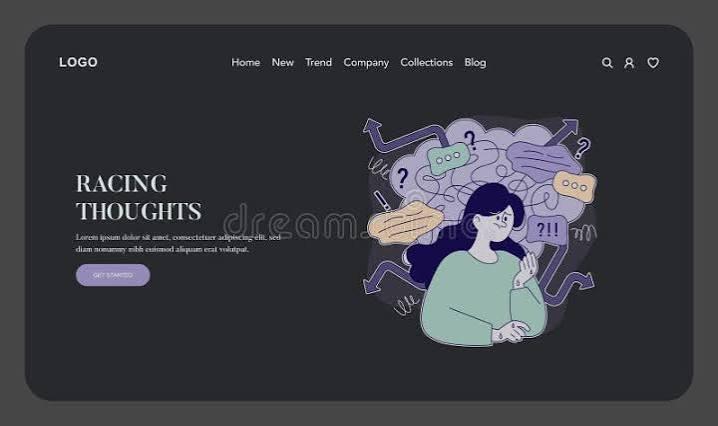
Anxiety does not always appear as an obvious feeling of fear. For many people, it shows up through constant movement, difficulty sitting still, and thoughts that seem to move faster than they can process them. A person may feel physically uncomfortable while their mind jumps from one concern to another, making even ordinary activities feel exhausting. This connection between anxiety, restlessness, and racing thoughts can affect concentration, sleep, relationships, and everyday decision-making. Understanding how these experiences influence one another is an important step toward recognizing anxiety and finding healthier ways to respond.
How Anxiety Can Create a Sense of Inner Restlessness
Restlessness is a common experience for people dealing with ongoing anxiety. It may feel like an uncomfortable need to move, change activities, or keep busy without knowing exactly why. Some individuals repeatedly check their phones, walk around a room, tap their feet, or struggle to remain focused during conversations. These behaviors can develop when the body remains alert even when there is no immediate danger.
Anxiety activates the body's stress response, preparing it to react to a possible threat. When this response continues for extended periods, relaxing may become difficult. Muscles can remain tense, breathing may become quicker, and small interruptions may feel unusually frustrating. Ativan may support carefully supervised relief during difficult anxiety episodes, when a qualified healthcare professional determines that prescription treatment is appropriate. Medication decisions should always consider individual needs, possible side effects, and the risk of dependence.
Why Racing Thoughts Become Difficult to Control
Racing thoughts involve a continuous flow of ideas, questions, worries, or imagined situations. Someone experiencing them might think about an unfinished task, suddenly remember an earlier conversation, and then begin worrying about something that has not happened. Before one concern is resolved, another may take its place.
This mental activity can make it difficult to concentrate on a single responsibility. Reading a page, completing work, or listening to someone may require extra effort because attention keeps shifting. Racing thoughts can also create the impression that every problem needs an immediate solution. However, repeatedly analyzing the same situation does not always produce useful answers.
Anxiety can make uncertainty especially uncomfortable. The mind may attempt to predict every possible outcome as a way of feeling prepared, but this habit can increase mental pressure rather than reduce it.
The Relationship Between Physical Tension and Mental Overactivity
Restlessness and racing thoughts often reinforce each other. When the mind becomes overwhelmed, the body may respond with tension, a faster heartbeat, or an unsettled feeling. Those physical sensations can then attract more attention, creating additional worries about what is happening.
For example, someone preparing for an important meeting may begin imagining mistakes or negative reactions. Their shoulders tighten, their breathing changes, and they feel unable to sit comfortably. Noticing these sensations may lead to further questions about whether something is wrong, keeping the cycle active.
Recognizing this relationship can help individuals understand that physical discomfort and mental activity are sometimes connected parts of the same anxiety response. Ativan can be discussed as one option within personalized medical care, although it is not suitable for everyone and should only be used under professional direction.
Everyday Situations That May Trigger These Experiences
Several circumstances can contribute to anxiety-related restlessness and racing thoughts. Common triggers include:
-
Workplace pressure: Deadlines, demanding responsibilities, and uncertainty about performance can increase mental tension.
-
Financial concerns: Worrying about expenses or future stability may encourage repeated negative thinking.
-
Relationship difficulties: Unresolved disagreements or fear of rejection can keep the mind occupied.
-
Major changes: Moving, changing jobs, or adjusting to unfamiliar responsibilities may create uncertainty.
-
Poor sleep: Insufficient rest can make emotional regulation and concentration more difficult.
Not everyone experiences the same triggers. Keeping track of situations that occur before anxious episodes may help identify personal patterns and make it easier to plan appropriate responses.
Practical Ways to Calm Restlessness and Manage Racing Thoughts
Managing anxiety often involves developing realistic habits that support both physical and emotional wellbeing. One useful approach is to slow down during moments of mental overload. Taking a few gentle breaths and paying attention to the immediate surroundings can help shift attention away from repeated worries.
Writing thoughts in a notebook may also provide perspective. Instead of trying to solve every concern mentally, individuals can separate immediate responsibilities from possibilities that may never happen. Breaking larger tasks into smaller steps can make challenging situations feel more manageable.
Regular movement, consistent sleep schedules, and reasonable breaks from screens may also support emotional balance. Professional approaches such as cognitive behavioral therapy can help people recognize unhelpful thinking patterns and develop healthier responses. Ativan may be considered alongside individualized professional guidance when a clinician believes medication is appropriate. It can cause drowsiness and carries risks of dependence and withdrawal, so it must be taken exactly as prescribed and never combined with alcohol or opioids unless specifically directed by a healthcare professional.
When Should You Seek Professional Support?
Occasional nervousness and restlessness can happen to anyone, but persistent symptoms deserve attention. Consider speaking with a healthcare professional if racing thoughts regularly interrupt sleep, affect work, interfere with relationships, or make daily responsibilities difficult.
A professional can assess possible causes, discuss treatment approaches, and determine whether additional support is necessary. Severe or sudden physical symptoms should not automatically be attributed to anxiety, as other medical explanations may need to be considered.
Conclusion
The connection between anxiety, restlessness, and racing thoughts can create a frustrating cycle in which physical tension and mental overactivity continuously influence each other. Recognizing the relationship makes it easier to identify triggers, understand personal reactions, and explore appropriate coping strategies. With consistent self-care and professional support when needed, individuals can work toward greater emotional stability, improved concentration, and a more comfortable daily routine.

 English
 Arabic
 French
 Spanish
 Portuguese
 Deutsch
 Turkish
 Dutch
 Russian
 Romaian
 Portuguese (Brazil)
 Greek