


Industrial Grouting Services for Concrete Structures
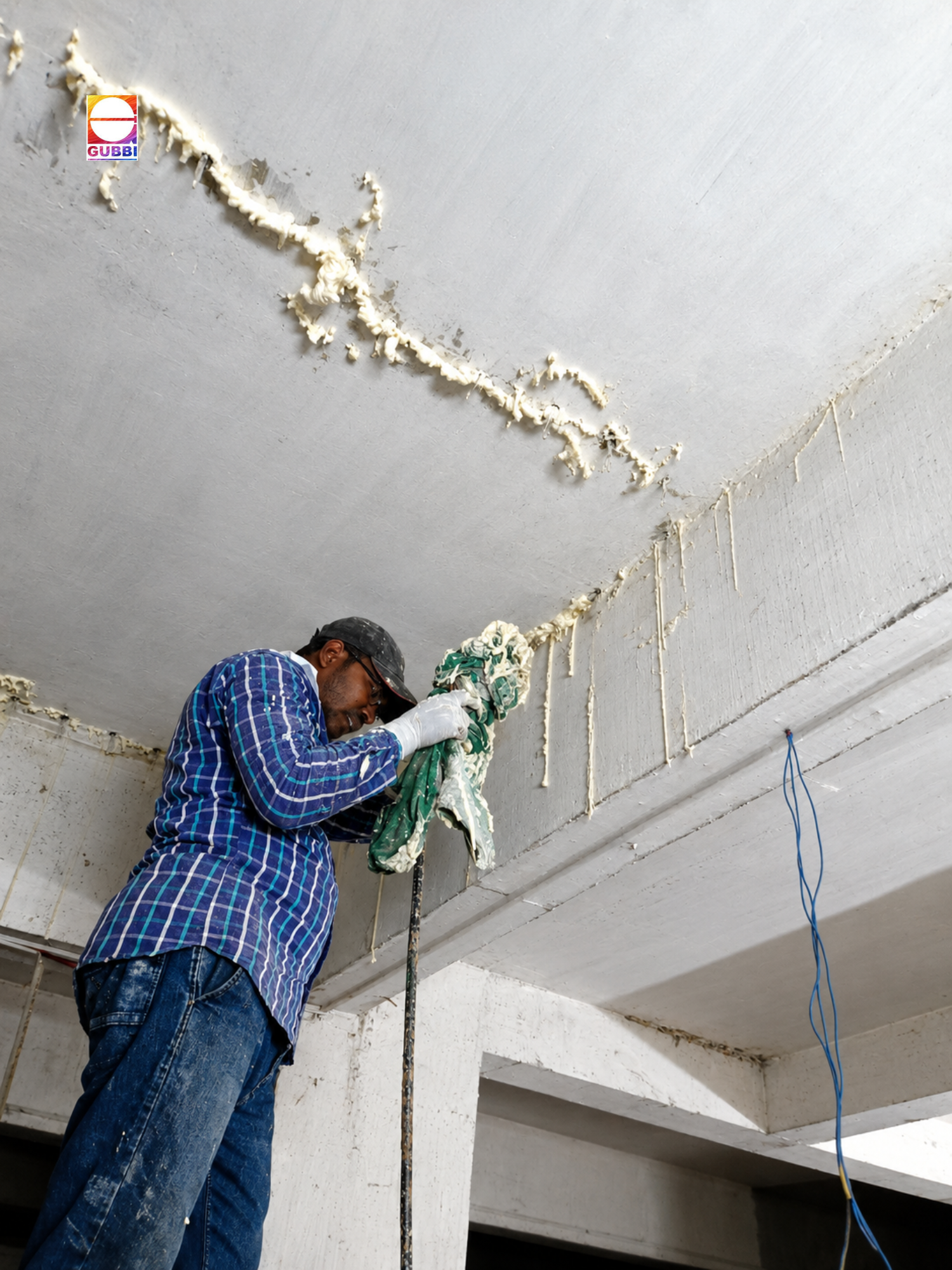
Grouting is an important technique used in construction, infrastructure maintenance, and structural rehabilitation to fill cracks, seal voids, reduce water seepage, and improve the condition of existing structures. It involves injecting specially selected materials into gaps, cavities, joints, or weakened areas to address specific structural problems. Depending on the site conditions, engineers may recommend cement grouting, chemical grouting, polyurethane injection, or other suitable methods to restore performance.
Over time, industrial buildings, bridges, basements, foundations, retaining walls, and concrete structures may develop cracks or experience water infiltration. These issues can result from settlement, temperature changes, poor drainage, material deterioration, or continuous exposure to moisture. Professional grouting services help address such problems by filling inaccessible spaces and limiting further deterioration. The appropriate method depends on the nature of the defect, the surrounding materials, and the requirements of the structure.
What Is Grouting in Construction?
Grouting in construction is a process in which a flowable material is introduced into selected spaces to fill voids, seal openings, improve contact between surfaces, or strengthen specific areas. The grout may contain cement, chemical resins, polyurethane, or other engineered compounds. Its composition and consistency depend on the intended application, the size of the openings, and the conditions under which the material must perform.
Unlike ordinary surface repairs, grouting can treat defects located inside concrete, beneath foundations, behind retaining structures, or within joints. The injection process allows suitable materials to reach areas that are difficult to access through conventional repair methods. However, grouting is not a universal solution for every defect. Structural assessment is necessary to determine whether injection alone is sufficient or whether additional strengthening and rehabilitation measures are required.
Why Grouting Is Important for Structural Rehabilitation
Structural rehabilitation focuses on restoring the performance and serviceability of existing structures affected by deterioration, cracking, leakage, or other defects. Grouting contributes to this process by addressing voids, discontinuities, and pathways through which water or other unwanted substances may enter. When properly designed and executed, it can help control leakage, improve local contact between materials, and support the effectiveness of a broader concrete repair programme.
For industrial and infrastructure facilities, untreated defects can interrupt operations and increase maintenance requirements. Water entering concrete can contribute to reinforcement corrosion, while voids beneath foundations or structural elements may affect their performance. Grouting provides a targeted intervention where conditions permit, helping reduce the need for extensive removal and replacement. The final approach should always reflect the defect's cause, structural significance, and the expected operating conditions.
Types of Grouting Used in Structural Rehabilitation
Different grouting methods are developed to address specific construction and repair requirements. The selection depends on the type of defect, the condition of the concrete, the required material penetration, and whether the primary objective is structural bonding, void filling, or leakage control. Understanding the differences between grouting systems helps project owners and facility managers make informed decisions about maintenance and rehabilitation.
1. Cement Grouting
Cement grouting uses a cement-based mixture to fill suitable voids, cavities, and gaps within foundations, concrete structures, and other construction elements. It is commonly considered for foundation grouting, void filling, and selected infrastructure rehabilitation applications. The grout consistency and injection procedure depend on the opening size, material requirements, and site conditions. Proper preparation and controlled application help ensure that the grout reaches the intended location.
2. Chemical Grouting
Chemical grouting involves injecting specially formulated materials into cracks, joints, voids, or porous areas to achieve a defined sealing or filling objective. Certain chemical grout systems react with moisture or cure within the affected zone, making them useful for selected water leakage problems. Chemical grouting for structural rehabilitation is particularly relevant to basements, underground structures, industrial facilities, and concrete joints where conventional surface treatments cannot adequately reach the leakage pathway.
3. Epoxy Injection Grouting
Epoxy injection grouting is used to repair selected cracks in concrete where bonding between crack faces is required. The low-viscosity resin can penetrate suitable cracks and cure to form a bonded repair. It may be considered for beams, columns, slabs, walls, and other reinforced concrete components following an engineering assessment. Epoxy injection is generally unsuitable for cracks with significant ongoing movement unless the repair design specifically addresses that movement.
4. Polyurethane Grouting
Polyurethane grouting, commonly called PU grouting, is widely considered for controlling water ingress through suitable cracks, joints, and concealed voids. Depending on the formulation, the material reacts with moisture, expands, or cures to form a sealing barrier. PU injection grouting can be useful in leaking basements, underground chambers, industrial structures, and concrete construction joints. The correct product must be selected according to water pressure, leakage intensity, and required flexibility.
5. Microfine Cement Grouting
Microfine cement grouting uses finely ground cementitious material designed for applications requiring greater penetration than conventional cement grout can provide. It may be suitable for fine voids, permeable zones, selected foundation treatments, and certain concrete rehabilitation works. Its effectiveness depends on the grout's particle size, viscosity, the characteristics of the receiving material, and the connectivity of the voids. Testing and engineering evaluation help determine whether microfine cement is appropriate.
Common Signs That a Structure May Require Grouting
Identifying early signs of deterioration allows facility managers to arrange inspections before defects become more extensive. Although visible symptoms do not automatically confirm that grouting is necessary, they can indicate the need for further investigation. Monitoring changes in cracking, moisture, settlement, and leakage helps engineers understand the condition of the affected structure and determine whether grouting, conventional repairs, or a broader rehabilitation strategy is required.
-
Water seepage through concrete walls, floors, or construction joints.
-
Persistent leakage in industrial basements and underground chambers.
-
Visible cracks that extend into concrete members.
-
Voids or gaps beneath suitable concrete slabs and structural interfaces.
-
Localized settlement or loss of contact around foundations.
-
Recurring leakage after surface waterproofing treatments.
-
Moisture entering through retaining walls or below-grade structures.
-
Deterioration around joints, penetrations, and concrete connections.
Applications of Grouting Services in Industrial and Infrastructure Projects
Industrial Buildings and Manufacturing Facilities
Industrial buildings experience continuous operational demands, equipment vibration, moisture exposure, and changing environmental conditions. These factors can contribute to cracks, voids, and leakage in selected concrete elements. Grouting may help address suitable defects in industrial floors, foundations, retaining walls, equipment support areas, and underground utility chambers. The treatment must account for operational loads, chemical exposure, access limitations, and the requirements for keeping the facility safe during repair.
Foundation Repair and Stabilization
Foundations transfer structural loads to the supporting ground, making their condition essential to overall building performance. Voids, loss of contact, and certain ground-related defects may require investigation and specialized treatment. Depending on the cause, pressure grouting or cement grouting may be considered to fill appropriate cavities or improve consolidation. However, grouting should not be used as a substitute for diagnosing significant settlement, inadequate bearing capacity, or other underlying geotechnical problems.
Basement Waterproofing and Leakage Control
Basements are frequently exposed to groundwater pressure, poor drainage, and moisture entering through construction joints or cracks. Surface coatings alone may not address water travelling through concealed pathways within concrete. Chemical grouting and polyurethane injection can provide localized leakage-control solutions when the material and application suit the conditions. The repair strategy should also consider drainage, external waterproofing, water pressure, and the overall condition of basement walls and floor slabs.
Bridges and Infrastructure Structures
Bridges, flyovers, culverts, and other infrastructure assets require regular inspection because deterioration can affect serviceability and safety. Grouting may be specified for suitable voids, joints, foundations, and selected concrete repair applications. The method varies according to the structure, exposure conditions, loading requirements, and accessibility. Where cracks indicate possible structural distress, engineers should establish the cause before specifying injection grouting or integrating it with additional strengthening and rehabilitation measures.
Dams, Tunnels, and Underground Structures
Dams, tunnels, and underground infrastructure can experience seepage, cracking, and localized void formation due to water pressure, ground movement, or material deterioration. Suitable grouting techniques may help control leakage or fill identified voids as part of an engineered rehabilitation programme. Such projects require careful evaluation of groundwater conditions, structural integrity, and environmental considerations. Injection pressure, grout compatibility, and verification procedures are especially important when working in complex underground environments.
Step-by-Step Grouting Process
A planned grouting process helps ensure that the selected material reaches the intended area and performs according to the repair objective. The exact sequence varies with the application, but professional grouting generally involves inspection, preparation, controlled injection, and verification. Understanding these stages helps project owners evaluate the scope of work and recognize why technical planning is essential for successful concrete repair, waterproofing, and structural rehabilitation projects.
Step 1: Site Inspection and Defect Assessment
The process begins with examining the affected structure and documenting visible cracks, seepage, voids, or other defects. Engineers assess the location, dimensions, moisture conditions, and possible causes before recommending a treatment. Depending on the situation, additional testing may be necessary to understand the concrete condition or structural significance. This assessment helps establish whether grouting is appropriate and identifies any related repair work that must be completed.
Step 2: Material and Method Selection
Once the defect has been assessed, the repair team selects a suitable grout based on the intended purpose. Cementitious materials may be appropriate for certain void-filling applications, while epoxy can address suitable stable cracks and polyurethane can be considered for specific leakage-control requirements. Material compatibility, viscosity, curing behaviour, expected movement, and exposure conditions must be evaluated before work begins to reduce the risk of ineffective treatment.
Step 3: Surface Preparation and Injection Point Installation
The affected area is prepared to provide access for controlled grout injection. Depending on the method, injection holes may be drilled at calculated intervals, and suitable packers may be installed to direct the material into the intended pathway. Loose concrete, contaminants, and unsuitable surface material are addressed as required. Correct positioning is important because poorly located injection points can limit penetration or allow grout to escape from the target area.
Step 4: Controlled Grout Injection
The selected grout is introduced using appropriate equipment and a controlled injection procedure. Pressure, flow, and material consumption are monitored according to the repair design and the characteristics of the structure. Excessive pressure can damage weak concrete or cause grout to migrate into unintended areas. The injection sequence may therefore be adjusted according to observed conditions, ensuring that the treatment remains consistent with the engineering requirements.
Step 5: Curing and Quality Verification
After injection, the grout is allowed to cure or react according to the manufacturer's specifications and site conditions. The repaired area is then inspected to evaluate whether the intended filling or sealing objective has been achieved. Depending on the project, verification may include leakage checks, visual inspection, monitoring, or other appropriate testing. Packers and injection openings can then be finished, and any additional repair or protective treatment is completed.
Factors That Affect the Cost of Grouting Services
The cost of grouting services depends on more than the quantity of material required. The type of defect, accessibility, injection requirements, equipment, and preparation work all influence the project scope. Industrial and infrastructure applications may also require additional safety measures or operational coordination. Understanding these factors helps organizations plan maintenance budgets and compare quotations based on the proposed methodology rather than considering the initial price alone.
Key cost factors include:
-
Grout material: Cementitious, epoxy, polyurethane, and microfine cement systems have different material and application requirements.
-
Extent of damage: The number of cracks, size of voids, and affected area influence the work involved.
-
Site accessibility: Restricted access, working height, and underground conditions can increase preparation and execution requirements.
-
Injection complexity: Deep cracks, concealed leakage pathways, and specialized pressure requirements may need additional equipment and monitoring.
-
Surface preparation: Drilling, cleaning, packer installation, and removal of loose material can affect the overall cost.
-
Additional repairs: Concrete restoration, waterproofing, corrosion treatment, and structural strengthening may be necessary alongside grouting.
For an accurate estimate, the affected structure should be assessed and the proposed treatment clearly defined. A detailed quotation should identify the repair objective, material system, execution method, and any additional work required to address the underlying problem.
How to Choose the Right Grouting Contractor
Selecting suitable grouting contractors is important because the quality of the repair depends on both material selection and execution. Organizations should evaluate whether a contractor understands the specific defect, can explain the proposed treatment, and has experience with comparable industrial or infrastructure conditions. A clear technical scope, suitable equipment, safety planning, and verification procedures are useful indicators of a well-planned grouting project.
Before appointing a contractor, consider the following points:
-
Experience with comparable concrete repair and rehabilitation projects.
-
Knowledge of cement grouting, epoxy injection, PU grouting, and other relevant systems.
-
Ability to inspect and identify the likely cause of the defect.
-
Appropriate injection equipment and trained personnel.
-
Clear information about material specifications and application procedures.
-
Quality-control measures and post-treatment verification.
-
Compliance with relevant site safety requirements.
-
Transparent quotations and a defined scope of work.
A contractor should explain why a particular grouting method is suitable instead of recommending the same material for every crack or leakage issue. This engineering-led approach supports informed decisions and reduces the risk of repeating repairs that fail to address the original cause.
Structural Rehabilitation Grouting: A Long-Term Maintenance Approach
Structural Rehabilitation Grouting is best understood as part of a planned approach to maintaining existing assets rather than a temporary response to visible damage. Grouting can address selected internal defects, but its long-term effectiveness depends on correcting the underlying cause wherever possible. For example, recurring water ingress may also require drainage improvements, while structural cracks caused by excessive movement may need a different repair strategy or additional strengthening measures.
For industrial and infrastructure owners, Gubbi Civil Engineers Limited can be considered when evaluating grouting and related structural rehabilitation requirements. The important step is to begin with a technical assessment, identify the source of the defect, and select a suitable repair method. Combining appropriate grouting with concrete repair, waterproofing, or strengthening where necessary can help improve maintenance planning and support the continued serviceability of existing structures.
Frequently Asked Questions About Grouting Services
What are grouting services used for?
Grouting services are used to fill suitable voids, seal cracks and joints, control water leakage, and address selected foundation or concrete defects. The appropriate application depends on the material, the condition of the structure, and the intended repair objective.
What is the difference between cement grouting and chemical grouting?
Cement grouting uses cement-based material, often for filling suitable voids and foundation-related applications. Chemical grouting uses specialized formulations, commonly resin-based systems, for applications such as sealing selected leakage paths or treating fine cracks. The best option depends on site conditions and engineering requirements.
Can grouting stop water leakage in concrete?
Yes, suitable grouting systems can help control leakage through identified cracks, joints, and voids. However, the source of water, pressure, crack movement, and condition of the concrete must be assessed. Drainage or other waterproofing measures may also be needed.
Is injection grouting suitable for structural cracks?
Injection grouting can be suitable for certain structural cracks, but the method must match the crack's cause and characteristics. Stable cracks requiring bonding may be treated with an appropriate epoxy system. Cracks associated with movement, corrosion, or significant structural distress require further engineering assessment.
How long does a grouting repair last?
The service life of a grouting repair depends on material selection, application quality, substrate condition, environmental exposure, and whether the underlying cause has been addressed. Regular inspection and maintenance help identify recurring defects and determine whether additional treatment is necessary.
Which structures can benefit from grouting?
Depending on the defect and engineering assessment, grouting may be used in industrial buildings, equipment foundations, basements, bridges, culverts, tunnels, retaining walls, and other infrastructure assets. Each application requires a method suited to the structure's condition and operational requirements.
Grouting is a valuable technique in construction maintenance and structural rehabilitation because it can treat selected cracks, voids, and leakage pathways that surface repairs may not adequately address. Cement grouting, chemical grouting, epoxy injection, polyurethane injection, and microfine cement grouting each serve different purposes. Choosing the right method requires an understanding of the defect, material behaviour, site conditions, and the performance expected from the repair. For industrial, commercial, and infrastructure facilities, timely assessment and appropriate grouting can form part of a broader strategy for protecting existing concrete assets. The focus should remain on diagnosing the cause, applying a suitable repair system, and verifying the results. A well-planned rehabilitation programme helps organizations manage deterioration, reduce recurring maintenance problems, and maintain the intended performance of their structures.

 English
 Arabic
 French
 Portuguese
 Deutsch
 Turkish
 Dutch
 Italiano
 Russian
 Romaian
 Portuguese (Brazil)
 Greek