


Reliable Optical Products for Professional Buyers
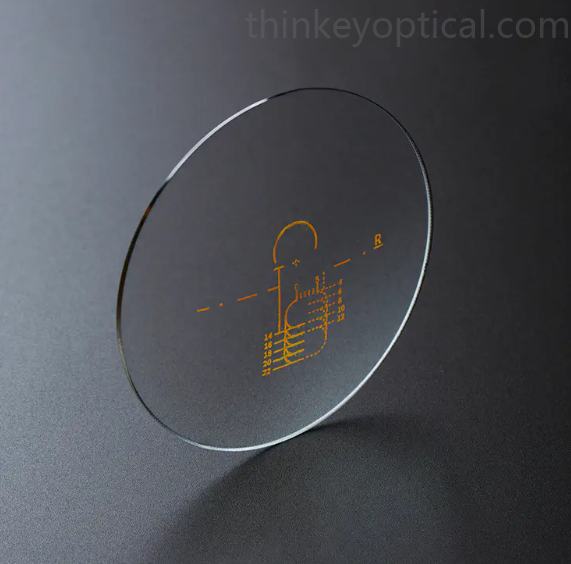
Clear vision and comfortable eyewear depend on lenses that match individual prescription requirements and frame designs. For optical retailers, distributors, and eyewear brands, selecting suitable Prescription Lenses involves understanding optical design, material characteristics, manufacturing accuracy, and surface treatment options. These factors influence how well a finished lens meets the intended application and customer expectations.
Prescription lens production begins with accurate prescription information. Sphere, cylinder, axis, and addition values may be required depending on the wearer's vision correction needs. Lens manufacturers use these details to determine the appropriate optical design and processing requirements. Accurate data communication is essential because even small specification errors can affect the finished product. Buyers should establish clear procedures for submitting and confirming prescription information before production.
Different lens designs serve different visual requirements. Single vision lenses provide one primary correction across the lens surface and are commonly used for distance or near vision. Bifocal designs incorporate separate viewing areas, while progressive lenses provide a gradual transition between different focal powers. The appropriate design depends on the prescription, intended use, and wearer's preferences. Retailers should ensure that product descriptions accurately explain these differences.
Material selection also plays an important role. Resin lenses are widely used because they support various prescription designs and coating combinations. Polycarbonate may be considered when lightweight construction and impact resistance are important. Other material options can be selected according to optical requirements, frame compatibility, and market positioning. Each material has different processing characteristics, so buyers should confirm available options and limitations with the manufacturer.
Lens coatings can improve certain surface properties and influence the overall eyewear experience. Hard coatings are commonly used to improve resistance to everyday surface wear. Anti-reflective treatments help reduce reflections from lens surfaces, while hydrophobic coatings can make water droplets easier to remove. Different coating combinations may be available depending on the lens material and product design. Buyers should understand the function of each treatment before selecting a configuration.
Manufacturing precision is essential for prescription products. Lens surfacing, polishing, edging, and inspection must follow the confirmed order specifications. The finished lens should be checked for relevant optical characteristics, surface condition, and dimensional compatibility. For wholesale buyers, consistent inspection procedures help reduce variations between batches and make product evaluation more reliable. Sample approval and clearly documented acceptance criteria are useful before larger orders are placed.
Customization allows optical businesses to develop products for different customer groups. Buyers may request specific materials, refractive indexes, lens designs, coatings, diameters, and packaging arrangements. Some projects may also involve private-label cooperation or OEM services. The feasibility of each option depends on the manufacturer's equipment and production capabilities. Discussing requirements early can help avoid unnecessary sampling and support more efficient order planning.
Supplier communication is another important part of prescription lens sourcing. Retailers and distributors need clear information about available designs, production lead times, minimum order requirements, packaging, and after-sales support. A supplier that can explain technical details and respond to specification questions can make procurement more manageable. For international orders, accurate documentation and shipment coordination also help maintain a more organized supply process.
When sourcing Prescription Lenses, businesses should evaluate optical accuracy, material suitability, coating quality, manufacturing consistency, and customization capabilities together. Requesting samples and reviewing technical specifications can help buyers make informed purchasing decisions. Thinkey Optical provides optical product information and sourcing support for professional eyewear businesses. Visit https://www.thinkeyoptical.com to explore available products and discuss your requirements.

 English
 Arabic
 French
 Spanish
 Portuguese
 Deutsch
 Turkish
 Dutch
 Italiano
 Russian
 Romaian
 Portuguese (Brazil)