


Stem Cell Hair Growth in New York: Exploring Modern Hair Restoration Options
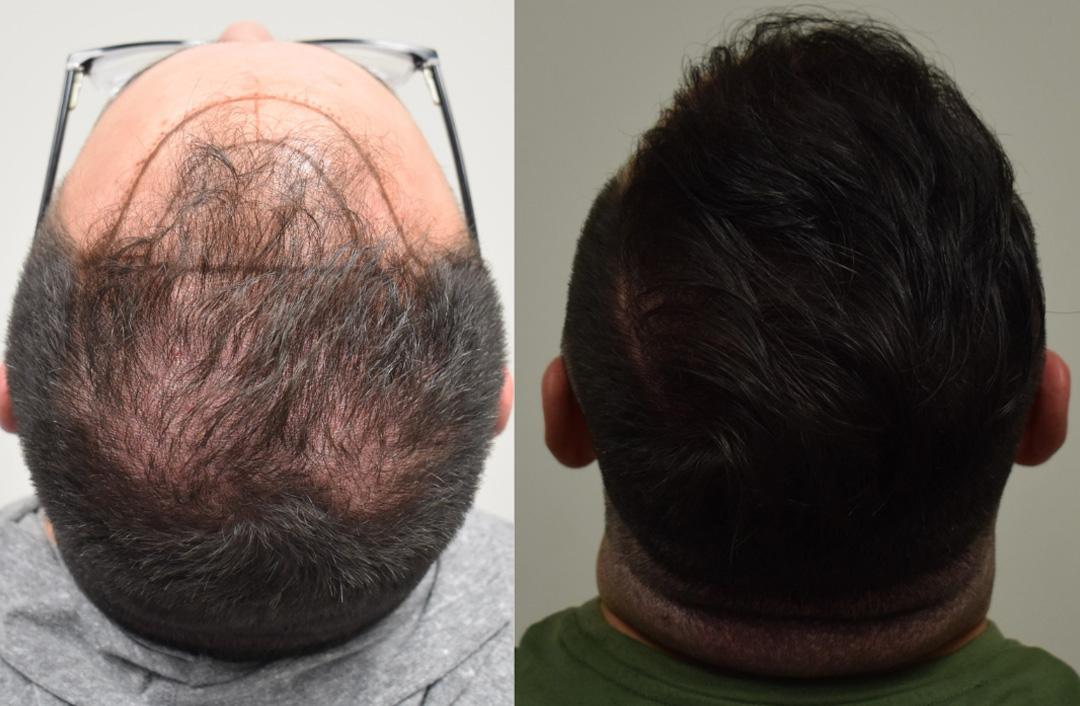
Hair thinning and hair loss can affect appearance, confidence, and everyday life. Whether caused by genetics, hormonal changes, aging, or other factors, losing hair can be a frustrating experience. As regenerative medicine continues to develop, stem cell hair growth in New York has become an increasingly searched topic among people exploring modern hair restoration options.
Stem cell research focuses on understanding how specialized cells and their biological signals may influence existing hair follicles. Although early findings are encouraging, these treatments are still developing and should not be considered a guaranteed solution for hair loss.
Understanding Hair Loss and Its Causes
Hair loss can develop for several reasons. Androgenetic alopecia, commonly known as pattern hair loss, is one of the most common causes in both men and women. Other factors include hormonal changes, nutritional deficiencies, certain medications, stress, and autoimmune conditions.
Identifying the underlying cause is an important first step toward choosing an appropriate treatment. A dermatologist or hair restoration specialist can examine the scalp, review medical history, and recommend suitable diagnostic tests.
An accurate diagnosis helps determine whether conventional hair-loss treatments, regenerative procedures, or other medical approaches may be appropriate.
What Is Stem Cell Hair Restoration?
Stem cells are specialized cells that can develop into different cell types and release biological signals that influence surrounding tissues. Researchers are investigating whether these properties could support the activity of existing hair follicles.
In hair restoration research, some approaches use cells obtained from sources such as adipose tissue, while others investigate substances released by cells, including growth factors and extracellular vesicles.
These approaches are not identical. Some procedures involve living cells, while others use cell-derived products. Their potential effects, safety considerations, and supporting research also differ.
The current scientific focus is largely on supporting existing follicles rather than reliably creating entirely new hair follicles.
Potential Benefits Being Studied
Researchers are exploring several possible ways regenerative approaches may influence hair growth.
Potential areas of investigation include:
-
Supporting the activity of existing hair follicles.
-
Influencing the biological environment around follicles.
-
Improving certain measurements of hair density and thickness.
-
Studying signaling pathways involved in the hair growth cycle.
-
Exploring additional options for people with pattern hair loss.
Clinical studies have reported encouraging results for some regenerative preparations. However, treatment methods and study results vary, and long-term effectiveness has not been established consistently.
Stem Cell Hair Growth in New York: Treatment Considerations
People researching stem cell hair growth in New York should understand exactly what a clinic offers before considering a procedure.
The term stem cell therapy is sometimes used broadly to describe different regenerative treatments. For example, platelet-rich plasma (PRP) is prepared from a patient's blood and is not the same as stem cell therapy. Exosomes and cell-derived products are also distinct approaches.
Patients should ask about the treatment's ingredients, preparation method, clinical evidence, regulatory status, possible complications, and expected follow-up.
It is especially important to avoid providers who promise guaranteed hair regrowth or claim that experimental procedures permanently restore bald areas.
Comparing Regenerative and Established Hair Treatments
Several established treatments are available for managing different forms of hair loss. Depending on the diagnosis, options may include topical minoxidil, prescription medications, and hair transplantation.
PRP is another treatment used by some hair restoration practices. It involves concentrating platelets from a patient's blood and administering the preparation to the scalp.
Stem cell-based approaches remain investigational for hair loss. Although research is progressing, they should not automatically replace established treatments with stronger clinical support.
A qualified specialist can explain the advantages, limitations, and risks of each option based on an individual's condition.
Choosing a Hair Restoration Specialist in New York
Selecting an experienced medical professional is an important part of any hair restoration journey. Patients should look for appropriate medical qualifications, experience with hair disorders, and transparent explanations of treatment options.
Before scheduling a procedure, consider asking:
-
What is causing my hair loss?
-
Is the proposed treatment supported by human clinical studies?
-
Is it an established treatment or an experimental procedure?
-
What results can realistically be expected?
-
What complications or side effects are possible?
-
What follow-up care will be provided?
These questions can help patients make informed decisions and avoid unrealistic treatment claims.
The Future of Regenerative Hair Restoration
Research into stem cells, growth factors, and other regenerative technologies continues to expand. Scientists are studying how these approaches interact with hair follicle biology and whether they can contribute to improved hair restoration outcomes.
A systematic review published in 2026 examined clinical studies involving several regenerative approaches for pattern hair loss. Although the findings were encouraging, researchers highlighted the need for standardized treatment methods, larger clinical trials, and longer follow-up periods.
At present, stem cell and related regenerative procedures are not FDA-approved treatments for hair loss. Patients should seek qualified medical advice and verify the regulatory status of any product or procedure being offered.
Stem cell hair growth in New York is an emerging area of interest for people exploring advanced hair restoration research. Scientists are investigating how specialized cells and their biological signals may support existing hair follicles and influence hair growth.
While early clinical findings offer reasons for continued research, these procedures are not established cures. A professional diagnosis, realistic expectations, and careful evaluation of available treatments remain essential for anyone considering a hair restoration plan.

 English
 Arabic
 French
 Spanish
 Portuguese
 Turkish
 Dutch
 Italiano
 Russian
 Romaian
 Portuguese (Brazil)
 Greek