


One Schoolhouse, Hundreds of Versions: A Look at a Fan Hub Built Around a Famous Horror Parody
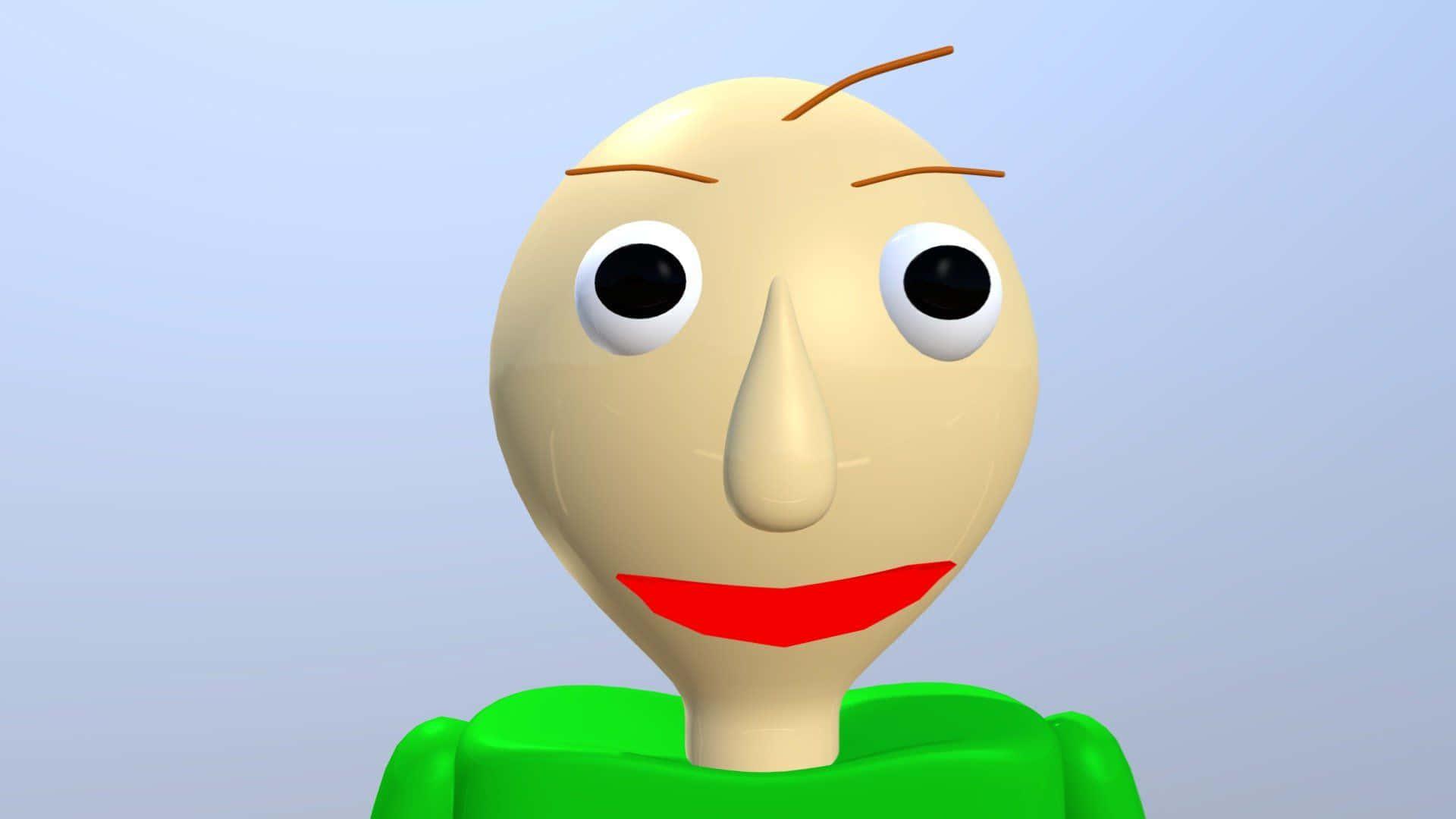
A cheerful teacher, a stack of notebooks and a ruler that gets louder with every mistake: this setup turned a small game jam entry into one of the most recognizable indie horror parodies of the last decade. Years after its debut, the community around it keeps producing remasters, rule-changing mods, crossovers and entirely new projects. Finding all of it used to mean digging through forums, video descriptions and file-hosting pages. The website reviewed here exists to remove that chore.
It works as a browser-based hub. A visitor opens the page, presses a button and starts playing within seconds, with no installer, no account and no storage space needed. Around the player sit catalogs, written guides and character references, so the same place serves casual players and people who want to study every mechanic.
| Feature | What It Gives the Visitor |
|---|---|
| Instant browser play | A built-in player that starts without downloads or sign-ups |
| Full-screen mode | A larger view that makes hallways and doors easier to read |
| Themed catalogs | Games sorted into shelves such as remasters, mods, fan games and crossovers |
| Written guides | Step-by-step pages for beginners and returning players |
| Character pages | Short profiles of staff, students and other troublemakers |
| Update history | Version-by-version notes on what changed over time |
Why a Single Hub Makes Sense for the Fandom
The central idea is easy to describe: instead of forcing fans to hunt across scattered pages, Baldi's Basics content lives side by side in one organized library. Someone who has never touched the series can start with the main player and learn the rules by doing. Someone who finished everything years ago can browse the shelves and see what the community has built since then.
A hub like this also solves a quieter problem. Fan projects appear fast and disappear just as fast, as download links die and developers move on. A site that keeps a playable copy next to a short description and a category label gives each project a stable home. Visitors know where to look, and creators get a place where their work can be found again.
Three qualities stand out when you spend time on the pages:
- Low friction. Nothing stands between the visitor and the first run, which suits short sessions on a school computer or a work laptop.
- Clear sorting. Every project sits under a label that describes what kind of experience to expect.
- Reading material next to playing material. Guides appear in the same menu as the games, so help is never more than a click away.
How the Game Library Is Organized
The catalog is split into seven broad shelves, and the split is the most useful part of the navigation. A visitor does not need to know any project names. Knowing what kind of experience they want is enough.
| Shelf | Typical Content | Best For |
|---|---|---|
| Sequel builds | Versions of the larger follow-up with generated floors and new mechanics | Players who want a longer, more varied experience |
| Classic and remastered | The original school and faithful visual or technical refreshes | Newcomers and nostalgic fans |
| Mods | Community changes to rules, maps, characters and difficulty | Veterans who know the original by heart |
| Funny and meme mods | Joke builds that bend the premise into something absurd | Streamers and anyone wanting a laugh |
| Fan games | Standalone projects with their own schools, stories and modes | Players looking for fresh settings |
| Crossovers | Meetings between this universe and other popular franchises | Fans of more than one series |
| Scratch and 2D | Lightweight projects and top-down remakes | Older or slower computers |
The shelves also show how far the fandom has stretched the original idea. A single premise, a nervous student, a dangerous teacher and a building that never ends, now supports everything from strict remakes to comedy sketches. Seeing those categories next to each other makes it easier to understand why the franchise has stayed alive for so long.
Guides That Turn Confusion Into a Plan
Horror games with hidden rules can be frustrating for newcomers. Why did the chase begin? Why does the teacher sometimes seem to know exactly where you are? The guide section answers questions like these in plain language, and it is arranged so that a reader can jump straight to the topic that matters right now.
The written material covers several areas:
- First steps: how a session starts, what the controls do and which early habits keep danger at a distance.
- Level structure: how floors, time limits and notebook counts shape a run.
- Activities and puzzles: how to approach classroom challenges without making the chase worse.
- Items and currency: what each pickup does and when it is worth spending.
- Side modes: how field trips and endless runs differ from the main story.
- Technical notes: hardware requirements and update histories for people who want the details.
What makes these pages practical is their tone. They avoid long lore dumps and focus on decisions a player actually faces: when to run, when to wait, which door to open and which item to keep for later. A reader can finish a guide in a few minutes and apply it on the very next attempt.
Character Reference Pages
A large part of the series' charm comes from its cast. Every hallway holds someone with a rule, a trick or a bad habit, and the site gives these figures their own reference area. The profiles are split into two groups, school staff on one side and students and troublemakers on the other.
| Group | Role in a Run | Why Players Check the Page |
|---|---|---|
| School staff | Enforce rules, hand out penalties and shape the pace of a session | To learn which behavior triggers a penalty |
| Students | Offer help, trade items or get in the way | To predict who blocks a corridor |
| Troublemakers | Disrupt movement and create unplanned detours | To plan routes around their habits |
Knowing who does what turns a panicked scramble into a calm route. Once a player understands why a certain hallway is blocked, the blockage stops feeling random and starts feeling like a puzzle with a solution.
Practical Tips for Playing in the Browser
Browser play has its own small rules, and a few habits improve the experience a lot. These suggestions apply to almost every project on the site:
- Switch to full-screen before the first move, since a larger picture makes doors and turns easier to spot.
- Use headphones, because sound is often the earliest warning that something is approaching.
- Choose a keyboard and mouse over touch controls, which rarely suit first-person movement.
- Close heavy tabs first, so the game keeps a steady frame rate during tense moments.
- Save your items for the final stretch of a run instead of spending them on the first small problem.
- Start with simpler projects, then move to heavier mods once the basic rhythm feels natural.
Most of the library runs on ordinary laptops and school machines, and the lighter 2D and Scratch projects work even on very modest hardware. Anyone worried about performance can begin there and work upward.
Who Gets the Most Out of the Site
The audience is wider than the genre label suggests. Curious newcomers get a gentle entry point, because the main player and the beginner guides together make the first session painless. Longtime fans get a catalog that keeps growing, so there is always something unfamiliar to try. Content creators find a ready supply of material for videos and streams, from tense standard runs to comic mods.
Teachers and parents may also appreciate how transparent the site is. Each page explains what kind of experience it offers, so nobody has to guess what is behind a thumbnail. The scares rely on tension and sound rather than graphic content, which makes the material approachable for many teenagers, though younger children may still find the chase sequences intense.
Why the Hub Deserves a Bookmark
The strength of this website lies in how it combines three things that rarely share a page: a working player, a well-sorted library and readable explanations. Each part supports the others. The player lets a visitor try something at once, the catalog shows where to go next, and the guides explain what went wrong the last time.
For a fandom that moves quickly and scatters its work across countless corners of the internet, such a gathering place is valuable. It keeps the original schoolhouse within reach, honors the creativity of modders and fan developers, and gives every visitor a clear path from the first nervous step to the final dash for the exit. Open the player, put on headphones and listen carefully, because the ruler is always closer than it sounds.

 English
 Arabic
 French
 Spanish
 Portuguese
 Turkish
 Dutch
 Italiano
 Russian
 Romaian
 Portuguese (Brazil)
 Greek