


Hemoglobin Electrophoresis Test Explained: Purpose, Process, and Results
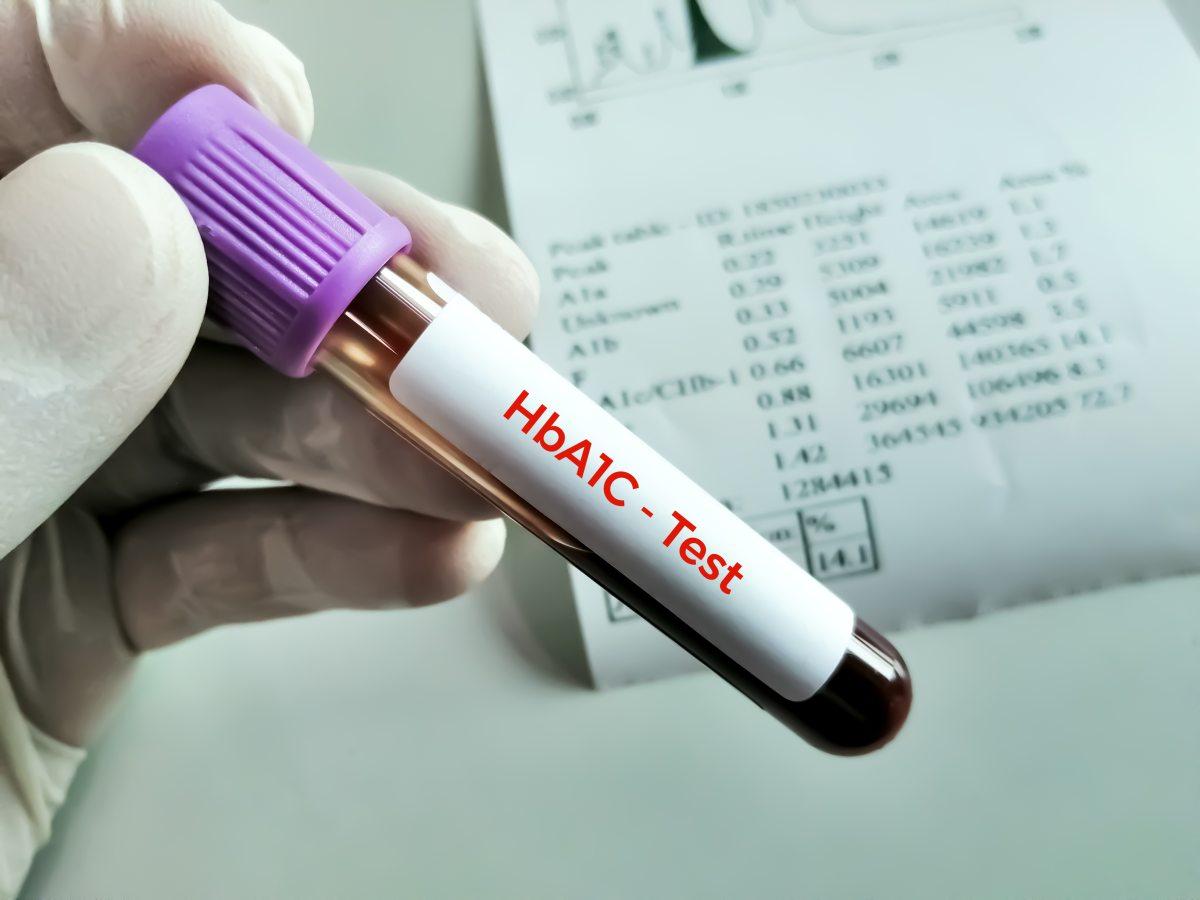
A blood test can reveal much more than the number of red blood cells circulating in your body. It can also provide important information about the proteins responsible for transporting oxygen to different organs and tissues. One specialized investigation that helps healthcare professionals understand these proteins is the Hemoglobin Electrophoresis Test in Dubai.
Hemoglobin is an essential protein found inside red blood cells. Its primary responsibility is to carry oxygen from the lungs throughout the body. However, inherited genetic changes can affect the structure or production of hemoglobin, sometimes resulting in conditions such as sickle cell disease, thalassemia, and other hemoglobin disorders.
The hemoglobin electrophoresis test identifies different hemoglobin types and measures their proportions in a blood sample. Doctors use it to investigate unexplained anemia, detect abnormal hemoglobin variants, and evaluate inherited blood disorders.
Whether you have been advised to undergo this test because of unusual blood results, a family history of genetic conditions, or pregnancy screening, understanding its purpose and process can help you make informed healthcare decisions.
Purpose of Hemoglobin Electrophoresis: Why Is This Investigation Necessary?
The primary purpose of hemoglobin electrophoresis is to examine the different types of hemoglobin present in the bloodstream.
Healthy adults generally have predominantly hemoglobin A, along with smaller quantities of hemoglobin A2 and fetal hemoglobin. However, inherited genetic variations may cause the body to produce abnormal hemoglobin proteins or insufficient amounts of normal hemoglobin.
Doctors recommend this investigation for several important reasons.
Identifying Inherited Hemoglobin Disorders
Certain genetic changes affect hemoglobin production or structure. These changes can lead to inherited conditions such as beta-thalassemia, sickle cell disease, and hemoglobin C disease.
Hemoglobin electrophoresis helps identify characteristic hemoglobin patterns associated with these conditions.
Investigating Unexplained Anemia
Anemia develops when the body does not have enough healthy red blood cells or hemoglobin to transport oxygen efficiently.
Although iron deficiency is a common cause, inherited blood disorders can also produce anemia. Doctors may recommend hemoglobin analysis when a complete blood count reveals persistent microcytosis, low MCV, or other unexplained abnormalities.
Detecting Sickle Cell Trait and Disease
Hemoglobin S is an abnormal hemoglobin variant associated with sickle cell conditions.
Testing helps identify hemoglobin S and distinguish different hemoglobin patterns, including sickle cell trait and sickle cell disease.
Supporting Pregnancy and Family Planning
Hemoglobinopathy screening can identify individuals who carry inherited hemoglobin variants.
When both parents carry certain genetic changes, their children may have an increased risk of developing an inherited blood disorder.
Early screening allows couples to receive genetic counseling and understand their reproductive options.
Evaluating Newborn Health
Newborn screening programs may include testing for inherited hemoglobin disorders.
Early identification of conditions such as sickle cell disease helps healthcare professionals arrange appropriate monitoring and preventive care before serious complications develop.
The Science Behind the Test: How Does Hemoglobin Electrophoresis Work?
The hemoglobin electrophoresis test uses a laboratory technique called electrophoresis to separate proteins according to their electrical characteristics.
Different hemoglobin types have different charges and other physical properties. When exposed to an electrical field under controlled conditions, they migrate through a supporting medium at different rates.
This separation allows laboratory specialists to identify individual hemoglobin fractions.
The process generally involves three scientific stages:
-
Sample preparation: Red blood cells are processed to obtain the hemoglobin needed for analysis.
-
Protein separation: An electrical field separates the hemoglobin types according to their characteristics.
-
Identification and measurement: Laboratory specialists identify the separated fractions and determine their relative percentages.
Modern laboratories may also use high-performance liquid chromatography (HPLC) or capillary electrophoresis to provide detailed hemoglobin analysis.
The main objective is to determine which hemoglobin types are present and whether their proportions fall within expected ranges.
Understanding the Different Hemoglobin Types Found in Your Blood:
A hemoglobin electrophoresis report may contain several abbreviations. Each represents a particular hemoglobin type with specific clinical significance.
Hemoglobin A (HbA)
HbA is the primary adult hemoglobin. It usually accounts for approximately 95% to 98% of total adult hemoglobin.
It consists of two alpha chains and two beta chains and performs the main oxygen-carrying function.
Hemoglobin A2 (HbA2)
HbA2 is a minor adult hemoglobin component, generally representing approximately 2% to 3.5% of total hemoglobin.
Increased HbA2 levels may suggest beta-thalassemia trait, particularly when accompanied by compatible red blood cell findings.
Hemoglobin F (HbF)
Hemoglobin F is also called fetal hemoglobin because it is the predominant type during fetal development.
Its levels normally decrease after birth. Higher levels in adults may occur in certain inherited conditions, including thalassemia and hereditary persistence of fetal hemoglobin.
Hemoglobin S (HbS)
Hemoglobin S is an abnormal variant associated with sickle cell disease and sickle cell trait.
Its presence and percentage help healthcare professionals investigate different sickle cell-related conditions.
Hemoglobin C (HbC)
Hemoglobin C is another inherited variant that may occur independently or alongside other abnormal hemoglobin types.
Its clinical significance depends on the complete hemoglobin pattern.
Other variants, including hemoglobin E, may also be identified during specialized hemoglobin testing.
From Blood Collection to Laboratory Analysis: What Is the Testing Process?
One advantage of hemoglobin electrophoresis is that the procedure is relatively simple for patients.
The complete testing process usually follows these stages.
Stage 1: Patient Assessment
The healthcare professional may ask about your symptoms, family history, previous blood investigations, and medical conditions.
Stage 2: Blood Collection
A small blood sample is collected from a vein, usually in your arm. A sterile needle and appropriate collection tube are used.
For newborns, a heel-prick blood sample may be collected as part of screening.
Stage 3: Laboratory Preparation
The blood sample is processed to obtain hemoglobin from red blood cells.
Stage 4: Hemoglobin Separation
The laboratory uses electrophoresis or another validated separation technique to identify different hemoglobin fractions.
Stage 5: Measurement and Reporting
The identified hemoglobin types are measured, and their percentages are included in the laboratory report.
Stage 6: Medical Interpretation
Your doctor reviews the findings alongside your complete blood count, symptoms, and medical history to determine whether further investigation is necessary.
Hemoglobin Electrophoresis Results: How to Understand Your Report:
The final laboratory report generally displays the different hemoglobin fractions and their percentages.
For educational purposes, the following table presents approximate adult reference patterns.
| Hemoglobin Type | Typical Adult Percentage |
|---|---|
| HbA | 95–98% |
| HbA2 | 2–3.5% |
| HbF | Usually below 1–2% |
| HbS | Absent |
| HbC | Absent |
Actual reference intervals vary according to laboratory methods, patient age, and clinical circumstances.
What Do Abnormal Hemoglobin Results Mean?
Abnormal findings may provide clues about inherited blood conditions.
Increased HbA2: May indicate beta-thalassemia trait, especially when accompanied by a low MCV.
Presence of HbS: May suggest sickle cell trait or sickle cell disease. The complete distribution of hemoglobin fractions is important for interpretation.
Increased HbF: May be associated with thalassemia or hereditary persistence of fetal hemoglobin.
Presence of HbC: May indicate hemoglobin C trait or hemoglobin C disease, depending on the other detected hemoglobin types.
An abnormal result does not automatically confirm a serious disease. Additional investigations may be necessary to establish the diagnosis.
What Can Influence the Accuracy of Hemoglobin Electrophoresis?
Several factors can affect hemoglobin analysis or make the results more difficult to interpret.
Recent Blood Transfusions: Donor red blood cells can introduce different hemoglobin types into the bloodstream and change the measured percentages.
Age: Newborns naturally have higher fetal hemoglobin levels than adults.
Iron Deficiency: Low iron levels can complicate the interpretation of HbA2, potentially affecting the assessment of beta-thalassemia trait.
Analytical Limitations: Some hemoglobin variants may have similar migration patterns with particular testing methods. Additional techniques may be needed to distinguish them.
For these reasons, healthcare professionals may recommend HPLC, capillary electrophoresis, or genetic testing when laboratory findings are unclear.
Additional Tests That May Be Required After Hemoglobin Analysis:
Hemoglobin electrophoresis provides valuable diagnostic information, but it does not identify every possible inherited blood disorder.
Doctors may combine it with other investigations to obtain a more complete picture of blood health.
-
Complete Blood Count: Evaluates hemoglobin concentration, red blood cell count, and cell size.
-
Peripheral Blood Smear: Examines the appearance and shape of red blood cells.
-
Iron Studies: Help identify iron deficiency and other abnormalities in iron metabolism.
-
High-Performance Liquid Chromatography: Provides detailed separation and measurement of hemoglobin fractions.
-
Genetic Testing: Identifies specific inherited gene changes, particularly when alpha-thalassemia or an unclear hemoglobin pattern is suspected.
These investigations help doctors distinguish inherited hemoglobin disorders from other causes of anemia.
Frequently Asked Questions About Hemoglobin Electrophoresis:
1. Is hemoglobin electrophoresis a routine blood test?
No. It is a specialized blood investigation generally requested when doctors suspect inherited hemoglobin abnormalities or need to investigate unexplained anemia.
2. Does the test require fasting?
Usually not. Patients can generally eat and drink normally before testing unless additional investigations require fasting.
3. How long does it take to receive the results?
Results may take several days, depending on the laboratory, testing method, and whether additional analysis is required.
4. Can hemoglobin electrophoresis detect thalassemia?
It can help identify beta-thalassemia through characteristic hemoglobin patterns, including increased HbA2. Alpha-thalassemia may require molecular testing.
5. Is the procedure painful?
The procedure involves a routine blood draw. Most people experience only brief discomfort, and serious complications are uncommon.
6. Does an abnormal result always require treatment?
No. Some individuals carry inherited hemoglobin variants without experiencing symptoms. Treatment depends on the specific condition and its clinical severity.
Final Thoughts: Why Understanding Your Test Results Matters
The hemoglobin electrophoresis Lab tests is an important diagnostic investigation that helps healthcare professionals identify different hemoglobin types, investigate unexplained anemia, and detect inherited blood disorders.
Its value extends beyond identifying abnormal proteins. It also supports sickle cell screening, thalassemia evaluation, newborn testing, and genetic counseling for families planning a pregnancy.
Although the blood collection procedure is simple, accurate interpretation requires consideration of age, recent blood transfusions, iron levels, and other laboratory findings.
If your doctor recommends hemoglobin electrophoresis, discuss the purpose of the investigation and review your report with a qualified healthcare professional. Understanding your hemoglobin profile can help you take informed steps toward better blood health and appropriate medical care.

 English
 Arabic
 Spanish
 Portuguese
 Deutsch
 Turkish
 Dutch
 Italiano
 Russian
 Romaian
 Portuguese (Brazil)
 Greek