


How Exclusive Merchandise Products Help Build a Stronger Brand Identity in the Construction Industry
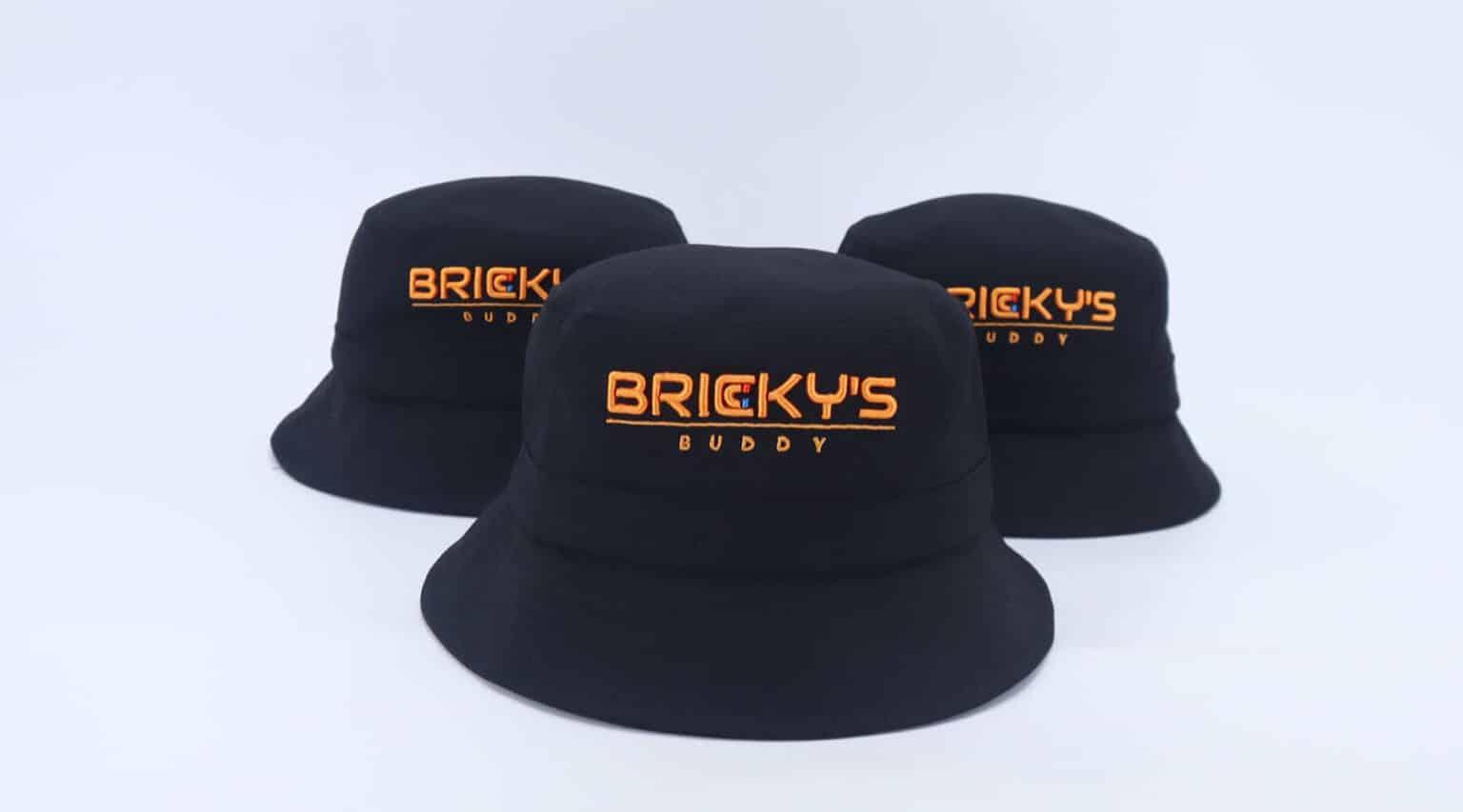
The construction industry has become increasingly competitive, encouraging businesses to explore creative ways to strengthen their identity and connect with customers. From practical workwear to personalised accessories, branded construction merchandise offers an opportunity to make a business more recognisable while providing useful items to employees and customers. Carefully selected merchandise can communicate professionalism, reinforce brand values, and create a lasting impression beyond everyday business interactions.
Understanding the Value of Merchandise in Construction
Merchandise is more than a collection of branded products. It represents a company's identity, values, and approach to customer relationships. In construction, where practical equipment and everyday tools are essential, businesses can use merchandise to create meaningful connections with their audiences.
Unlike traditional advertising, useful merchandise can remain part of someone's daily routine. Items such as workwear, tool accessories, storage products, and branded equipment can offer ongoing value while increasing brand visibility.
For construction companies, selecting relevant products is particularly important. Merchandise should reflect the industry's practical requirements rather than simply focusing on appearance. Durable materials, functional designs, and useful features can make promotional items more appealing to their intended audience.
Choosing Products That Reflect Brand Identity
A strong merchandise strategy begins with understanding what a business wants to communicate. Companies should consider their target audience, brand personality, and the type of products that naturally complement their services.
For example, a construction supplier might focus on practical accessories that support tradespeople during their working day. A building equipment retailer could select products that highlight quality, reliability, and convenience.
When developing a collection of exclusive merchandise products, businesses should consider several important factors:
-
Practicality: Products should serve a genuine purpose and appeal to the intended audience.
-
Durability: Strong materials and reliable construction help maintain product quality.
-
Design: Consistent colours, branding, and presentation create a recognisable identity.
-
Audience relevance: Merchandise should reflect the interests and requirements of customers.
-
Quality: Well-made products can create a more positive impression of the business.
These considerations help companies develop merchandise collections that are both useful and consistent with their wider brand identity.
Why Quality Matters More Than Quantity
One common mistake businesses make when planning promotional merchandise is prioritising quantity over quality. Although distributing a large number of inexpensive products might initially seem cost-effective, poorly made items may not deliver the desired impression.
Quality should remain a central consideration throughout the selection process. Customers are more likely to appreciate merchandise that performs reliably and offers practical benefits.
In the construction sector, products are often exposed to demanding working environments. Tools, accessories, storage solutions, and workwear must be suitable for regular use. Choosing dependable materials and functional designs can therefore make a significant difference.
A smaller collection of carefully selected products may provide greater value than a large assortment of items that customers rarely use.
Exploring Different Construction Merchandise Ideas
Construction-related merchandise offers plenty of opportunities for businesses looking to create distinctive collections. The most suitable options depend on the company's audience and the purpose of the merchandise.
Some popular categories include:
1. Branded Workwear
Workwear is a practical choice for construction businesses. T-shirts, sweatshirts, jackets, and protective clothing can help create a consistent professional appearance. Comfortable materials and appropriate designs should be prioritised.
2. Tool Accessories
Tradespeople regularly depend on accessories that help them organise and transport their equipment. Tool holders, storage bags, belts, and organisers can provide everyday convenience.
3. Promotional Accessories
Smaller items such as keyrings, notebooks, reusable bottles, and branded bags can be useful for customer giveaways, trade events, and business promotions.
4. Specialist Construction Products
Businesses can also explore merchandise designed around specific trades. Products that address the everyday needs of bricklayers, builders, and other construction professionals can make a collection more relevant.
Combining different categories allows companies to appeal to a wider audience while maintaining a consistent brand presentation.
Creating a Distinctive Product Collection
Standing out in a competitive market requires more than placing a company logo on ordinary products. Businesses should think about what makes their merchandise different and why customers would choose to use it.
A distinctive collection may include carefully selected materials, thoughtful designs, practical features, and consistent visual presentation.
This is where exclusive merchandise products can contribute to a more memorable brand experience. Rather than offering generic promotional items, businesses can focus on products that reflect their specialist knowledge and understanding of the construction industry.
For example, a collection aimed at bricklayers might include practical accessories that support tool organisation and improve convenience on site. Such products demonstrate an understanding of customers' everyday requirements.
Companies should also consider packaging and presentation. Professional packaging can improve the overall experience and make merchandise more suitable for corporate gifts, promotional campaigns, and industry events.
The Role of Merchandise in Customer Relationships
Building customer relationships involves more than completing transactions. Businesses that provide useful products and consistent service can create stronger connections with their audiences.
Merchandise can support this process by giving customers something practical to associate with a company. A useful product may remain in regular use long after an initial purchase or business interaction.
Construction suppliers, retailers, and specialist manufacturers can incorporate merchandise into customer loyalty initiatives, promotional campaigns, and industry exhibitions.
For instance, branded accessories can be included in customer welcome packages, while selected products can be offered during trade events. These activities provide additional opportunities for businesses to introduce their identity to potential customers.
However, merchandise should complement a company's wider customer experience rather than replace important elements such as product quality, reliable service, and professional communication.
Supporting Marketing Through Consistent Branding
Consistency is an important part of successful brand recognition. Businesses should ensure that their merchandise reflects the same visual identity used across their websites, packaging, advertising, and other communication channels.
This includes maintaining consistent colours, typography, logo placement, and overall design.
A well-planned merchandise collection can also support digital marketing. Businesses can photograph their products, publish collection updates, share customer feedback, and feature merchandise in social media campaigns.
These activities help create additional marketing content while showing how products can be used in real working environments.
Companies can also use customer-generated photographs, with permission, to demonstrate the practical value of their merchandise. Authentic product experiences can make promotional campaigns more relatable.
Selecting the Right Merchandise Partner
Choosing a suitable supplier is another important part of developing a successful merchandise collection. Businesses should evaluate product quality, available designs, material specifications, pricing, and customer service before making decisions.
It is also useful to consider whether a supplier understands the requirements of the construction industry. Specialist knowledge can help businesses identify products that are relevant to particular trades and working environments.
Bricky’s Buddy is an example of a specialist brand operating within the bricklaying accessories and construction merchandise space. Businesses exploring this market can benefit from considering how trade-focused products align with their customers' practical needs.
Before committing to a collection, companies should review product samples where possible and assess whether the merchandise meets their expectations.
Conclusion
Merchandise can play an important role in strengthening brand identity, improving customer engagement, and supporting business promotion within the construction industry. By prioritising practical designs, reliable quality, and audience relevance, companies can develop collections that offer value beyond traditional advertising.
Well-selected exclusive merchandise products can help businesses communicate their identity while providing customers and professionals with useful everyday items. A thoughtful approach to product selection, presentation, and consistent branding can turn merchandise into a valuable part of a long-term marketing strategy.
Frequently Asked Questions
1. What are exclusive merchandise products?
These are distinctive branded or specially selected products designed to reflect a company's identity while offering practical or promotional value.
2. Why is merchandise important for construction businesses?
It helps improve brand visibility, strengthen customer relationships, and provide useful products relevant to construction professionals.
3. What types of construction merchandise are popular?
Workwear, tool accessories, storage bags, tool holders, branded clothing, and practical promotional accessories are common choices.
4. How can businesses choose the right merchandise?
They should consider product quality, durability, usefulness, audience preferences, design, and overall brand consistency.
5. Can merchandise support marketing campaigns?
Yes. Merchandise can be used in promotional events, customer giveaways, loyalty programmes, and social media campaigns to increase brand awareness.

 English
 Arabic
 French
 Portuguese
 Deutsch
 Turkish
 Dutch
 Italiano
 Russian
 Romaian
 Portuguese (Brazil)
 Greek