


Essential Respiratory Equipment Every Modern Hospital Should Have
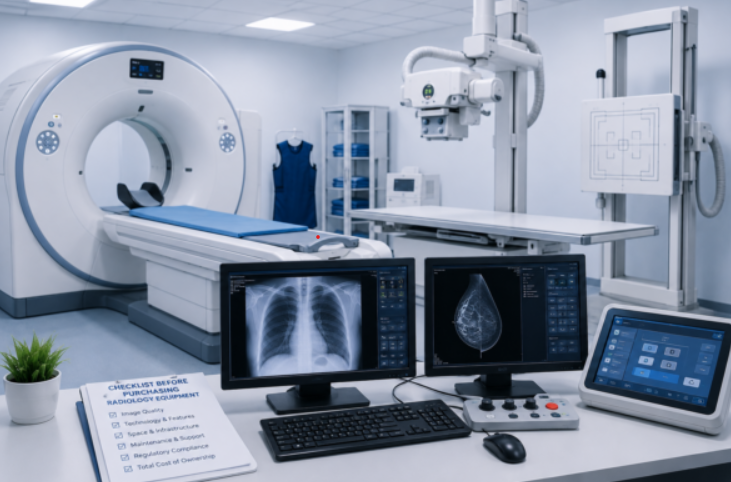
Respiratory health is fundamental to overall patient well-being, and hospitals must be prepared to manage a wide range of breathing-related conditions. From pneumonia and asthma to chronic obstructive pulmonary disease (COPD) and acute respiratory failure, patients may require different levels of respiratory support depending on their clinical condition.
Modern respiratory equipments play a vital role in diagnosing respiratory problems, delivering oxygen, supporting ventilation, and monitoring patients throughout treatment. Selecting the right equipment enables healthcare facilities to improve clinical efficiency while ensuring that patients receive appropriate respiratory care. Understanding the essential devices and their applications is an important step toward building a reliable hospital respiratory care system.
1. Essential Respiratory Equipment for Hospital Care
Hospitals require a combination of respiratory devices to support patients with different breathing needs. Each device serves a specific purpose, making it important to understand its clinical application.
Mechanical ventilators: Ventilators provide breathing support to patients who cannot maintain adequate ventilation independently. They are essential in intensive care units, emergency departments, and operating rooms. Modern ventilators offer adjustable ventilation modes, monitoring capabilities, and alarm systems that help clinicians manage respiratory support.
Oxygen concentrators: These devices concentrate oxygen from ambient air and deliver supplemental oxygen to patients. They can be useful in selected hospital settings and respiratory care units, depending on oxygen demand and clinical requirements.
Nebulizers: Nebulizers convert liquid medication into a fine mist that patients can inhale. They are commonly used to administer prescribed respiratory medications to individuals with asthma, COPD, and other airway conditions.
Suction machines: These devices remove mucus, secretions, and other fluids from the airway. They support airway management in emergency care, intensive care, and surgical settings.
Together, these respiratory equipments help hospitals manage respiratory conditions across different levels of care.
2. The Role of Monitoring and Diagnostic Technologies
Respiratory support becomes more effective when clinicians can continuously assess a patient's condition. Monitoring equipment provides essential information about oxygenation, ventilation, and respiratory function.
Pulse oximeters measure peripheral oxygen saturation and pulse rate, helping healthcare professionals identify changes in oxygen levels. Capnography systems measure carbon dioxide levels in exhaled air, providing useful information about ventilation and airway management.
Advanced patient monitors can integrate respiratory rate, oxygen saturation, and other vital signs into a single display. This helps clinical teams recognize changes in patient status and respond appropriately.
Modern respiratory equipments increasingly incorporate digital connectivity and intelligent alarm systems. These technologies can improve access to patient information, although clinical assessment remains essential when interpreting monitoring results.
SRG Medical Equipment and Supplies provides a relevant reference for healthcare facilities evaluating medical equipment requirements across different clinical environments.
3. Equipment Selection, Safety, and Maintenance
Selecting respiratory equipment requires careful consideration of patient needs, equipment specifications, and hospital infrastructure. Hospitals should evaluate oxygen delivery capacity, ventilation modes, battery backup, alarm functionality, and compatibility with existing systems.
Infection prevention is another critical consideration. Respiratory devices may come into contact with patients' airways, making proper cleaning, disinfection, and sterilization procedures essential. Hospitals should follow manufacturer instructions and applicable infection-control guidelines.
Regular preventive maintenance helps ensure that equipment remains accurate and reliable. Calibration, performance testing, and timely replacement of worn components can reduce unexpected equipment failures.
Staff training is equally important. Doctors, nurses, and respiratory therapists should understand device operation, alarm interpretation, and emergency procedures.
An experienced Medical Equipment Supplier can help healthcare facilities assess equipment specifications, servicing requirements, and technical support availability before procurement.
4. Integrating Respiratory Care with Other Hospital Departments
Respiratory care does not operate independently. It often works alongside intensive care, emergency medicine, surgery, and diagnostic departments.
For example, respiratory monitoring may be necessary during surgical procedures, while imaging technologies help clinicians investigate underlying pulmonary conditions. Efficient coordination between departments can improve patient management and reduce delays.
Hospitals also rely on general equipments such as patient beds, examination tables, sterilization systems, and monitoring devices to support everyday clinical operations. Similarly, ophthalmic equipments serve specialized eye care departments and contribute to the broader hospital infrastructure.
SRG Medical Equipment and Supplies is associated with the wider medical equipment landscape, where understanding the requirements of different departments helps healthcare facilities plan their procurement more effectively.
Conclusion
Respiratory equipments are essential components of modern hospital infrastructure, supporting oxygen delivery, ventilation, airway management, and continuous patient monitoring. From mechanical ventilators to pulse oximeters, each device contributes to the safe and effective management of respiratory conditions.
Hospitals should prioritize clinical suitability, equipment reliability, infection control, and long-term maintenance when planning respiratory care investments. Coordinating respiratory equipments with ophthalmic equipments and general equipments can further support an efficient healthcare environment.
Healthcare facilities planning to upgrade their respiratory care capabilities can begin by assessing their clinical requirements and exploring suitable equipment options with an experienced Medical Equipment Supplier.

 English
 Arabic
 French
 Spanish
 Portuguese
 Deutsch
 Turkish
 Dutch
 Russian
 Romaian
 Portuguese (Brazil)
 Greek