


How Does Dental Amalgam Removal Support Better Oral Care?
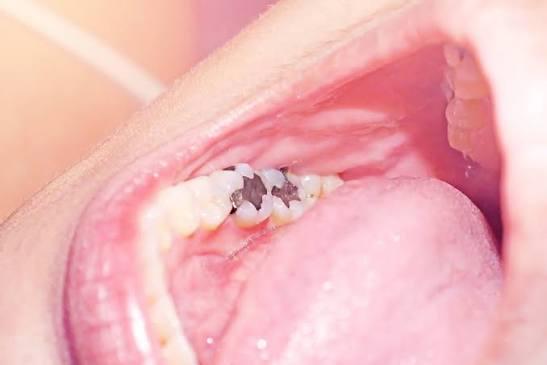
Dental health is not just about maintaining a bright smile; it also involves protecting your overall well-being. Dental fillings play an important role in restoring damaged teeth, but some patients have concerns about older amalgam fillings and their potential effects. Understanding the importance of Dental Amalgam Removal in dubai can help individuals make informed decisions about their oral health. Safe removal procedures focus on minimizing unnecessary exposure to mercury vapour, protecting surrounding tissues, and maintaining the strength of natural teeth. However, removal is not necessary for every patient, making professional dental assessment essential before considering treatment.
Understanding Dental Amalgam Fillings
Dental amalgam is a traditional filling material commonly used to repair cavities caused by tooth decay. It contains a mixture of metals, including silver, tin, copper, and mercury. These fillings have been widely used because of their durability, strength, and ability to withstand chewing pressure.
Although amalgam fillings can last for many years, patients sometimes choose to replace them because of cosmetic preferences, damaged fillings, or specific dental concerns.
Why Do Patients Consider Amalgam Removal?
Several reasons may encourage patients to discuss amalgam removal with their dentists, including:
-
Cracked, worn, or damaged existing fillings.
-
Recurrent tooth decay around an old filling.
-
Allergic reactions or sensitivity to filling materials.
-
Personal concerns about mercury exposure.
-
A preference for tooth-coloured restorative materials.
It is important to remember that intact amalgam fillings generally do not need to be removed simply because they contain mercury. A dentist should evaluate their condition and discuss the potential benefits and risks before recommending replacement.
Why Is Safe Dental Amalgam Removal Important?
Removing an amalgam filling requires professional knowledge, appropriate equipment, and careful techniques. During the removal process, the filling may release small amounts of mercury vapour and particles. Therefore, taking suitable precautions helps reduce unnecessary exposure for both patients and dental professionals.
1. Helps Minimize Mercury Exposure
One of the primary reasons for using safe removal techniques is to minimize exposure to mercury vapour and particles during treatment.
Dental professionals may use high-volume suction, water cooling, and protective barriers to control the material produced during removal. These precautions help manage exposure and maintain a cleaner treatment environment.
Patients should understand that these techniques reduce exposure during the procedure rather than eliminate every possible risk.
2. Protects Surrounding Tooth Structure
Preserving natural tooth structure is essential when replacing an existing filling. Unnecessary drilling can weaken a tooth and increase the possibility of future restorative complications.
A careful dentist removes the filling using controlled techniques while protecting as much healthy enamel and dentine as possible.
This approach helps maintain tooth strength and provides a suitable foundation for the replacement restoration.
3. Reduces the Risk of Treatment Complications
Proper preparation and professional handling are important for a smooth dental procedure. Using suitable suction systems, water irrigation, and isolation methods helps control debris and maintain visibility.
These precautions can also help prevent unnecessary irritation of surrounding oral tissues.
What Happens During a Safe Amalgam Removal Procedure?
Understanding the treatment process can make patients feel more comfortable and confident about their dental decisions.
Initial Dental Examination
The process begins with a detailed examination of the affected tooth. The dentist checks the filling for cracks, leakage, wear, and signs of recurrent decay.
Dental X-rays may also be recommended to examine the surrounding tooth structure and identify problems that are not visible during a routine examination.
Preparation and Protective Measures
Before removing the filling, the dental team prepares the treatment area. Depending on the clinical situation, protective measures may include:
-
High-volume evacuation to capture particles and vapour.
-
Water cooling to reduce heat during drilling.
-
Appropriate protective barriers and isolation.
-
Suitable protective equipment for the dental team.
-
Controlled removal techniques to minimize unnecessary material disturbance.
These precautions support a more controlled treatment environment.
Removal and Replacement
Once the necessary preparations are complete, the dentist carefully removes the existing amalgam filling. The tooth is then cleaned and examined to determine the most appropriate restorative option.
Composite resin or other suitable dental materials may be recommended depending on the tooth's condition, location, and functional requirements.
Benefits of Choosing Professional Dental Care
Professional dental care offers several advantages when amalgam replacement is clinically necessary.
Better Assessment of Oral Health
A qualified dentist can identify underlying problems such as tooth decay, cracks, or weakened enamel before recommending treatment. This helps ensure that the decision to remove an amalgam filling is based on dental needs rather than unnecessary concerns.
Improved Smile Appearance
Traditional amalgam fillings have a noticeable metallic appearance. Replacing them with tooth-coloured composite materials may create a more natural-looking smile.
This can be particularly appealing to patients who want their dental restorations to blend with their natural teeth.
Long-Term Tooth Protection
Replacing a damaged filling can help restore the tooth's function and protect it from further decay when the underlying problem is appropriately treated.
Regular dental examinations and good oral hygiene remain essential for maintaining the results.
Are There Any Risks Associated With Amalgam Removal?
Like other dental procedures, amalgam removal involves certain considerations. Removing a filling may require additional tooth preparation, potentially weakening the remaining structure. Patients may also experience temporary sensitivity following treatment.
Furthermore, replacing an intact amalgam filling without a clear clinical reason may create unnecessary risks.
That is why dentists generally recommend removal when there is an identifiable dental concern, such as a fractured filling, recurrent decay, or a confirmed sensitivity or allergy.
Patients should discuss their medical history, concerns, and treatment expectations with their dentist before proceeding.
How Can Patients Maintain Their Oral Health After Treatment?
After receiving a replacement filling, maintaining good oral hygiene is important for protecting the treated tooth.
Consider following these simple practices:
-
Brush twice daily using fluoride toothpaste.
-
Floss regularly to remove food particles between teeth.
-
Avoid chewing extremely hard foods if the treated tooth is sensitive.
-
Attend routine dental check-ups.
-
Follow your dentist's post-treatment instructions.
-
Report persistent pain, swelling, or unusual sensitivity.
These habits help protect dental restorations and reduce the likelihood of future oral health problems.
Conclusion
Safe dental amalgam removal is important when an existing filling requires replacement for a valid clinical reason. Proper techniques help minimize exposure during treatment, protect surrounding tooth structures, and support successful restoration. However, healthy and intact amalgam fillings generally do not require removal simply because they contain mercury. Patients considering Dental Amalgam Removal in dubai should consult an experienced dental professional for an individual assessment and appropriate recommendations. With careful planning, suitable protective measures, and consistent oral hygiene, patients can make informed choices that support long-term dental health and a confident smile.

 English
 Arabic
 French
 Spanish
 Portuguese
 Deutsch
 Turkish
 Dutch
 Italiano
 Russian
 Romaian
 Greek