


Fasting Blood Sugar Test: Procedure, Preparation, and Results
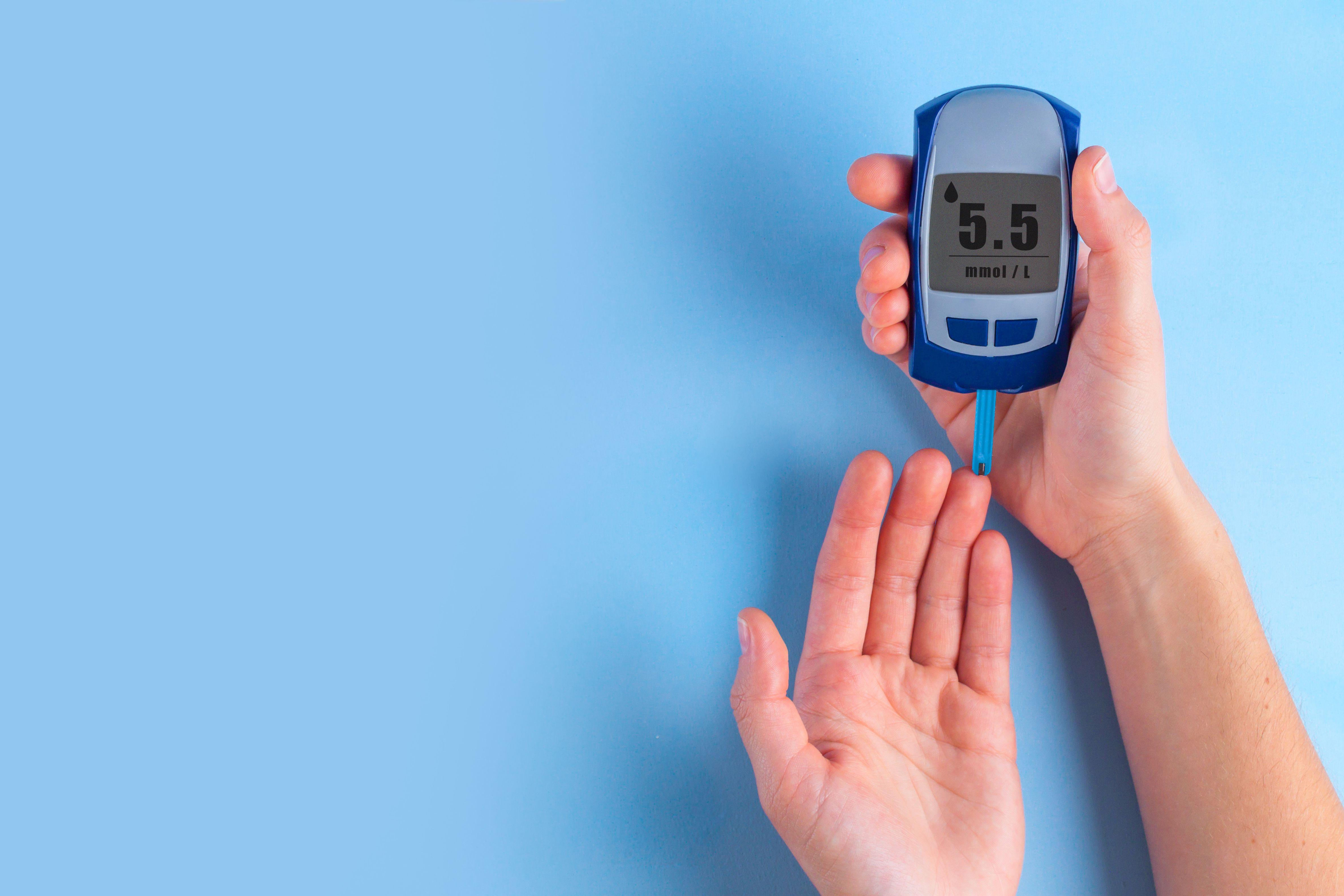
A fasting blood sugar test is one of the most commonly recommended laboratory tests for evaluating how well your body manages glucose. Whether you are undergoing routine health screening, checking for early signs of diabetes, or monitoring an existing condition, this simple blood test can provide valuable information about your metabolic health.
Unlike a random Blood Sugar Test Dubai, which can be performed at any time, a fasting blood sugar test measures glucose levels after you have avoided food and caloric beverages for a specific period. This allows healthcare professionals to assess how your body regulates blood sugar without the immediate influence of a meal.
Understanding the testing procedure, preparation requirements, and normal glucose ranges can help you feel more confident before your appointment. It also allows you to understand what your results mean and when additional medical evaluation may be necessary.
In this comprehensive guide, we will explain everything you need to know about fasting blood sugar testing, from preparing for the test to interpreting your laboratory report.
What Is a Fasting Blood Sugar Test?
A fasting blood sugar test, also called a fasting blood glucose (FBG) test or fasting plasma glucose (FPG) test, measures the amount of glucose circulating in your bloodstream after a period without eating.
Glucose is the body's primary source of energy. It mainly comes from carbohydrates found in foods such as bread, rice, fruits, vegetables, and dairy products.
After digestion, glucose enters the bloodstream and travels to different cells. The pancreas releases insulin, a hormone that helps glucose move from the blood into cells for energy.
When your body does not produce enough insulin or becomes resistant to its effects, blood glucose levels can increase.
A fasting glucose test helps healthcare professionals identify these changes and evaluate whether your glucose levels fall within the normal range.
Why Do Doctors Recommend a Fasting Blood Glucose Test?
High blood sugar does not always produce noticeable symptoms, particularly during the early stages of type 2 diabetes. Therefore, laboratory testing is an important part of preventive healthcare.
Your doctor may recommend a fasting blood sugar test for several reasons.
1. To Screen for Diabetes
The test helps identify elevated fasting glucose levels that may indicate diabetes. Early detection allows individuals to receive medical guidance before serious complications develop.
2. To Identify Prediabetes
Prediabetes occurs when blood glucose levels are higher than normal but do not meet the diagnostic criteria for diabetes.
Identifying prediabetes creates an opportunity to improve glucose regulation through dietary changes, physical activity, and appropriate medical care.
3. To Evaluate Diabetes Risk Factors
Your healthcare provider may recommend screening if you have certain risk factors, including:
-
A family history of type 2 diabetes.
-
Overweight or obesity.
-
High blood pressure.
-
Physical inactivity.
-
Previous gestational diabetes.
-
Polycystic ovary syndrome (PCOS).
-
A history of abnormal blood glucose readings.
4. To Monitor Existing Diabetes
Although fasting glucose testing is frequently used for diagnosis, it can also help evaluate diabetes management.
Comparing readings over time allows healthcare professionals to understand glucose patterns and assess whether a treatment plan needs adjustment.
How Long Do You Need to Fast Before the Test?
Proper fasting is essential for obtaining reliable fasting blood glucose results.
In most cases, you need to avoid food and caloric beverages for at least eight hours before the test.
For example, if your blood test is scheduled for 8:00 AM, you may be instructed to finish eating by midnight.
During this period:
-
Plain water is generally allowed.
-
Avoid food and snacks.
-
Do not drink fruit juice or soft drinks.
-
Avoid milk and other beverages containing calories.
-
Follow your laboratory's instructions about coffee, tea, and other drinks.
Water is usually the safest beverage during fasting because it does not contain calories or carbohydrates.
Do not extend the fasting period unnecessarily. Follow the specific timing recommended by your healthcare provider.
Preparing for a Fasting Blood Sugar Test: What You Should Do
Preparation begins the evening before your appointment. Following a few simple steps can help prevent avoidable testing errors.
Maintain Your Regular Eating Habits
Eat your usual balanced meals before starting the fasting period. Avoid deliberately reducing carbohydrates or consuming excessive sugary foods to influence your results.
Your test should reflect your normal glucose regulation rather than temporary dietary changes.
Drink Sufficient Water
Staying hydrated is generally helpful before a blood draw. Plain water can make veins easier to locate and may simplify blood collection.
However, follow any fluid restrictions given by your healthcare provider.
Discuss Your Medications
Some medicines can influence blood glucose levels. These may include insulin, diabetes medications, corticosteroids, and certain other prescription drugs.
If you have diabetes, ask your healthcare provider how to manage your medication during the fasting period.
Never skip insulin, change your medication dosage, or stop prescribed treatment without professional guidance.
Avoid Unusually Intense Exercise
Strenuous physical activity can temporarily influence blood glucose levels.
Try to maintain your normal daily routine and avoid unusual exercise immediately before the test unless your healthcare provider advises otherwise.
Get Enough Sleep
Poor sleep can affect hormones involved in glucose regulation and insulin sensitivity.
Try to maintain your regular sleeping schedule before the appointment.
Inform the Laboratory About Relevant Health Conditions
Tell your healthcare provider if you are pregnant, unwell, experiencing an infection, or taking medications that may affect glucose measurements.
These factors may influence the interpretation of your results or require a different testing approach.
What Happens During a Fasting Blood Sugar Test?
The fasting blood glucose procedure is simple and usually takes only a few minutes.
Here is what typically happens at the laboratory.
Step 1: Registration and preparation
The laboratory staff confirms your test request and may ask when you last ate or drank anything other than water.
Step 2: Cleaning the collection area
A healthcare professional cleans the skin around your arm with an antiseptic solution.
Step 3: Blood sample collection
An elastic band may be placed around your upper arm to make a vein easier to locate. A sterile needle is then inserted, and a small amount of blood is collected in a sample tube.
Step 4: Completing the procedure
The needle is removed, and pressure is applied to the area to stop minor bleeding.
Step 5: Laboratory analysis
The blood sample is analyzed to determine the concentration of glucose in your bloodstream.
You may experience a brief pinch during collection, but most people can return to normal activities shortly afterward.
Fasting Blood Sugar Normal Range: How to Read Your Results
Once your laboratory report is available, the next step is understanding what your fasting glucose number means.
For nonpregnant adults, the commonly accepted diagnostic ranges are:
| Fasting Blood Glucose | Interpretation |
|---|---|
| Below 100 mg/dL | Normal |
| 100–125 mg/dL | Prediabetes |
| 126 mg/dL or higher | Diabetes range |
These values are also expressed in mmol/L.
| Fasting Blood Glucose | Approximate mmol/L |
|---|---|
| Below 100 mg/dL | Below 5.6 |
| 100–125 mg/dL | 5.6–6.9 |
| 126 mg/dL or higher | 7.0 or higher |
A fasting glucose result of 90 mg/dL is generally considered normal.
A result of 110 mg/dL falls within the prediabetes range, while a reading of 130 mg/dL is within the diabetes diagnostic range.
However, a single elevated result does not automatically confirm diabetes. In the absence of clear clinical evidence, healthcare professionals generally repeat the test or use another diagnostic test for confirmation.
What Do High Fasting Blood Sugar Levels Indicate?
Elevated fasting blood glucose may indicate that your body is struggling to regulate glucose effectively.
This can happen when insulin production is insufficient or when cells become less responsive to insulin.
Possible causes include:
-
Prediabetes or type 2 diabetes.
-
Insulin resistance.
-
Hormonal changes.
-
Physical or emotional stress.
-
Infection or illness.
-
Certain medications.
-
Poorly controlled diabetes.
Some people experience symptoms such as excessive thirst, frequent urination, blurred vision, fatigue, and unexplained weight loss.
However, elevated glucose can also occur without noticeable symptoms.
If your fasting blood sugar is repeatedly elevated, consult your healthcare provider for further evaluation.
Can Fasting Blood Sugar Levels Be Too Low?
Yes. Although fasting glucose testing is commonly associated with identifying high blood sugar, it can also reveal unexpectedly low glucose levels.
Hypoglycemia generally refers to blood glucose below 70 mg/dL, particularly in people taking diabetes medication.
Possible causes include:
-
Taking more insulin than required.
-
Skipping meals.
-
Certain glucose-lowering medications.
-
Prolonged physical activity.
-
Alcohol consumption without adequate food.
Symptoms may include sweating, trembling, dizziness, hunger, and confusion.
If you experience symptoms of low blood sugar during fasting, prioritize your safety and follow your healthcare provider's instructions rather than continuing to fast.
Fasting Blood Sugar Test vs. HbA1c Test: What Is the Difference?
Both tests help evaluate glucose regulation, but they measure different things.
| Feature | Fasting Blood Sugar | HbA1c |
|---|---|---|
| What it measures | Current fasting glucose | Average glucose over 2–3 months |
| Fasting required | Yes | Generally no |
| Result format | mg/dL or mmol/L | Percentage |
| Main purpose | Screening and diagnosis | Screening, diagnosis, and monitoring |
| Influenced by recent meals | Yes, which is why fasting is required | Not directly |
A fasting glucose test provides a snapshot of your blood sugar after an overnight fast, whereas HbA1c offers a longer-term picture of glucose exposure.
Doctors may recommend both tests when they need a more complete understanding of your metabolic health.
How Often Should You Get a Fasting Blood Sugar Test?
Testing frequency depends on your age, health history, risk factors, and previous results.
People with normal glucose levels may need periodic screening based on individual risk.
Adults diagnosed with prediabetes are generally advised to undergo diabetes testing at least annually.
People with diabetes may require more frequent glucose monitoring, depending on their medication and treatment goals.
Your healthcare provider can recommend the most appropriate screening schedule.
Frequently Asked Questions About Fasting Blood Sugar Tests:
Can I drink water before a fasting blood sugar test?
Yes. Plain water is generally permitted and can help you stay hydrated during the fasting period.
Can I brush my teeth before the test?
Brushing your teeth is generally acceptable. Avoid swallowing toothpaste and follow any specific instructions provided by your laboratory.
Is eight hours of fasting enough?
For a standard fasting blood glucose test, at least eight hours without food or caloric beverages is generally required. Follow your laboratory's specific instructions.
Can stress increase fasting blood sugar?
Yes. Stress hormones, including cortisol and adrenaline, can temporarily increase blood glucose levels.
How long does it take to get fasting blood sugar results?
The blood collection process usually takes a few minutes. Laboratory reporting times vary depending on the testing facility.
Does a high fasting blood sugar result always mean diabetes?
No. A high result may indicate prediabetes or diabetes, but confirmation through repeat testing or another diagnostic method may be necessary.
Final Thoughts: Make Fasting Blood Sugar Testing Part of Preventive Healthcare
A fasting blood sugar Lab tests is a valuable tool for understanding how your body regulates glucose. It helps identify early signs of abnormal blood sugar, supports diabetes diagnosis, and provides useful information for managing existing conditions.
Getting accurate results starts with proper preparation. Follow fasting instructions, drink plain water, discuss medications with your healthcare provider, and maintain your normal routine before testing.
Most importantly, do not interpret your results in isolation. Your healthcare provider can evaluate your glucose readings alongside your symptoms, medical history, and other laboratory findings.
Regular screening, balanced nutrition, physical activity, and appropriate medical guidance can help you maintain healthier blood glucose levels and reduce the risk of long-term complications.

 English
 Arabic
 French
 Spanish
 Portuguese
 Turkish
 Dutch
 Italiano
 Russian
 Romaian
 Portuguese (Brazil)
 Greek