


How Can a Vehicle's Production Year Affect the Availability of Replacement Parts?
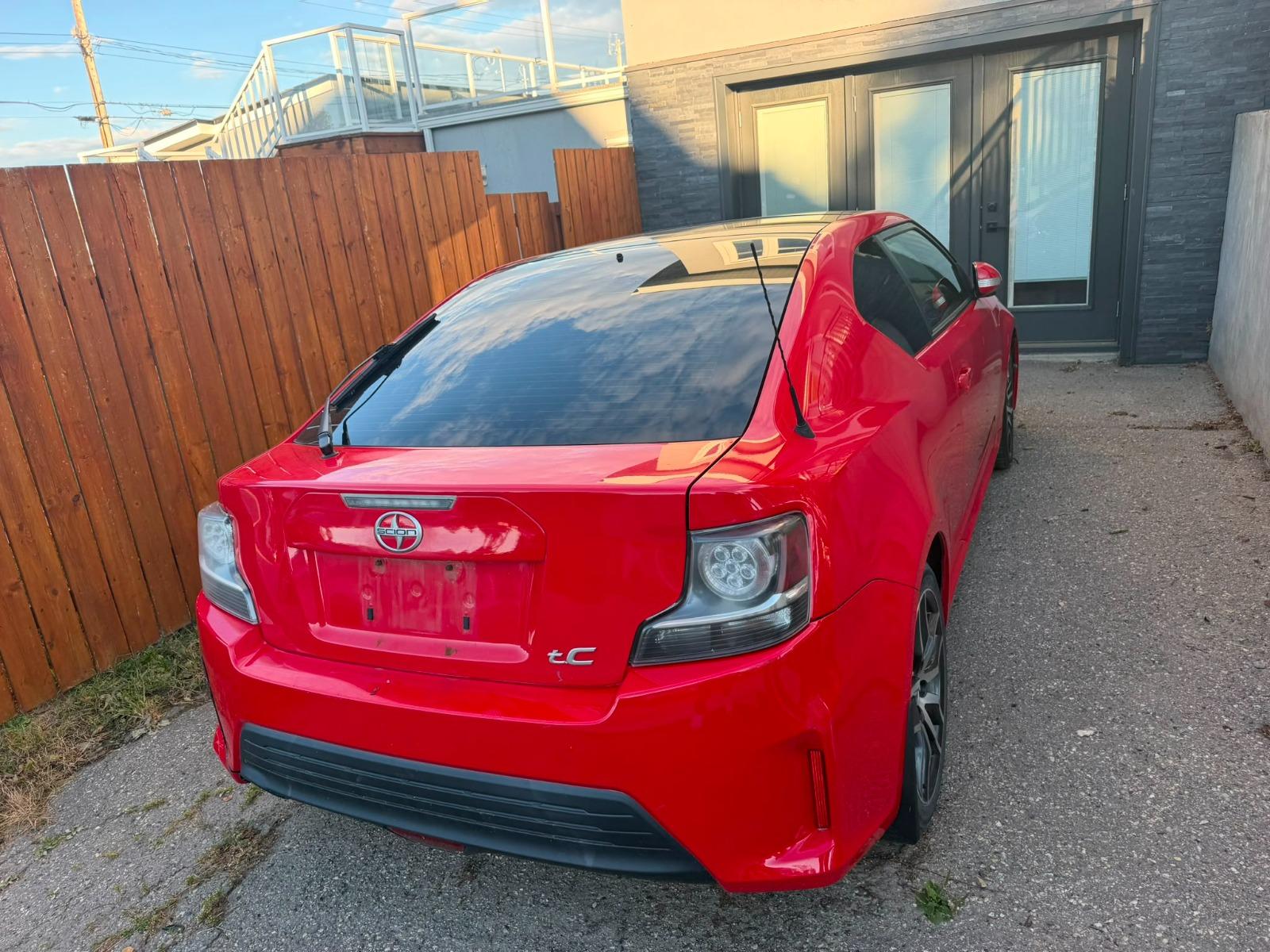
A vehicle's production year can have a significant impact on the availability of replacement parts. As cars become older, manufacturers may discontinue certain components, suppliers may reduce production, and compatible replacement options can become harder to find.
For vehicle owners, this can make routine maintenance and unexpected repairs more challenging. A component that is readily available for a newer model may require additional research or special ordering when dealing with an older vehicle.
However, an older production year does not automatically mean a car is difficult to maintain or has no remaining value. Factors such as model popularity, production numbers, shared components, and aftermarket availability can all influence how easily replacement parts can be sourced.
Understanding these factors can help owners make better decisions about repairing, maintaining, or selling an older vehicle.
1. Manufacturers May Discontinue Older Parts
One of the most common reasons replacement parts become difficult to find is that manufacturers eventually stop producing components for older vehicle models.
As production moves toward newer vehicles, manufacturers may reduce their inventory of older components. Once existing stock is sold, owners may need to search through aftermarket suppliers, specialist retailers, or automotive salvage yards.
This is particularly common with:
-
Older electronic control modules
-
Model-specific headlights and taillights
-
Interior trim and dashboard components
-
Specialized engine components
-
Unique body panels and exterior fittings
The availability of discontinued parts varies by manufacturer and vehicle model.
2. Popular Vehicle Models Often Have Better Parts Availability
The production year is important, but vehicle popularity also plays a major role.
Cars manufactured in large numbers may have a stronger replacement-parts market because more owners continue to need compatible components.
Popular models can benefit from:
-
Larger aftermarket parts inventories
-
More used components at salvage yards
-
Greater availability of compatible replacement parts
-
More mechanics familiar with their systems
In contrast, limited-production vehicles or discontinued models may have fewer replacement options.
3. Aftermarket Suppliers Can Provide Alternatives
When original manufacturer parts become expensive or unavailable, aftermarket suppliers may offer compatible alternatives.
These components are manufactured by companies other than the original vehicle manufacturer and can sometimes provide a more affordable repair option.
Depending on the vehicle, aftermarket alternatives may be available for:
-
Brake pads and rotors
-
Filters and belts
-
Suspension components
-
Radiators and hoses
-
Lighting assemblies
However, not every aftermarket component offers the same fit or quality. Owners should confirm compatibility before purchasing replacement parts.
4. Shared Components Can Extend Parts Availability
Some vehicle manufacturers use similar components across multiple models or production years.
This practice can make replacement parts easier to find because suppliers may continue producing a component for another vehicle even after the original model has been discontinued.
For example, certain engines, transmissions, sensors, and suspension components may be shared across different vehicles.
This can give owners of older cars additional sourcing options without relying exclusively on original model-specific inventory.
5. Electronic Parts Can Become More Difficult to Source
Modern vehicles depend heavily on electronic systems, and some older electronic components can become challenging to replace.
Examples include:
-
Engine control modules
-
Instrument clusters
-
Sensors and control units
-
Factory infotainment systems
-
Electronic door and window controls
These components may require specific programming or compatibility checks. Even when a used replacement is available, it may need professional installation and configuration.
As a result, the production year and exact vehicle specifications can become particularly important when sourcing electronic parts.
6. Production Year Can Affect the Availability of Body Parts
Exterior components are another category where vehicle age makes a difference.
Older vehicles may have unique body designs that are no longer supported by regular replacement-part suppliers.
Finding compatible doors, bumpers, fenders, mirrors, and headlights can become more difficult, especially for less common models.
In some cases, used parts from another vehicle of the same generation may provide a practical solution. However, differences in trim, body style, and production specifications should always be checked.
7. Salvage Yards Can Help Owners Find Discontinued Components
When new replacement parts are no longer available, automotive salvage yards can provide another sourcing option.
These facilities recover usable components from vehicles that are no longer suitable for regular driving.
Depending on inventory, owners may find:
-
Used engines and transmissions
-
Original factory body panels
-
Interior components
-
Wheels and suspension parts
-
Electrical assemblies
Recycled parts can be especially useful for older vehicles because they may preserve original specifications and fitment.
8. Repair Costs Can Increase When Parts Become Scarce
Limited replacement-part availability can affect the total cost of maintaining an older vehicle.
Owners may need to pay more for specialist sourcing, shipping, labour, or alternative components. Waiting for discontinued parts can also keep a vehicle off the road for longer.
If a repair requires several expensive or difficult-to-find components, the total cost may eventually exceed the vehicle's practical market value.
For owners considering selling an older vehicle, exploring cash for cars calgary options can help them compare selling the vehicle with continuing to invest in repairs.
9. Older Vehicles Can Still Have Value Through Parts and Recycling
A vehicle does not become worthless simply because its replacement parts are difficult to find.
Even when repairing it is no longer practical, certain components may still be reusable. Other materials can be recovered through responsible automotive recycling.
Professional vehicle buyers consider factors such as:
-
Overall vehicle condition
-
Available original components
-
Demand for reusable parts
-
Vehicle weight and recyclable materials
-
Missing or damaged components
Owners who no longer want to maintain an aging vehicle can explore cash for junk cars as an alternative to spending additional money on difficult repairs.
Tips for Owners of Older Vehicles
Before purchasing replacement parts or deciding to sell an older car, consider these practical steps:
-
Check the production year: Confirm the exact year and model rather than relying only on the registration description.
-
Use the VIN: Provide the vehicle identification number when checking component compatibility.
-
Compare suppliers: Check original manufacturer, aftermarket, and recycled-part options.
-
Confirm compatibility: Make sure the replacement matches the engine, trim, and production specifications.
-
Compare repair expenses: Consider the total cost against the vehicle's current value.
-
Keep original components: Avoid removing usable parts before receiving a complete vehicle evaluation.
Conclusion
A vehicle's production year can significantly influence replacement-part availability because manufacturers eventually discontinue certain components, suppliers adjust their inventories, and demand changes as vehicles age. However, popular models, shared mechanical components, aftermarket alternatives, and recycled parts can help owners maintain older vehicles for longer.
When replacement parts become difficult or expensive to source, repairing an older car may not always be the most practical decision. Vehicle owners should consider the overall condition, repair expenses, and remaining parts value before deciding what to do next.
Selling an unwanted vehicle to a professional buyer can provide a convenient alternative when maintaining it is no longer worthwhile.

 Arabic
 French
 Spanish
 Portuguese
 Deutsch
 Turkish
 Dutch
 Italiano
 Russian
 Romaian
 Portuguese (Brazil)
 Greek