


How an Impulse Bag Sealer Improves Packaging
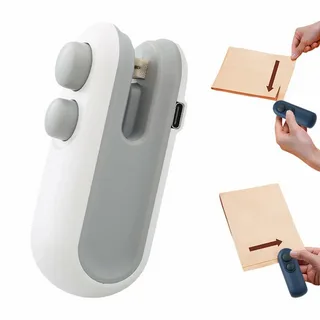
Packaging is an important part of almost every business that manufactures, stores or sells physical products. From food items and retail goods to industrial components, products need suitable packaging to protect them during handling and transportation. An Impulse Bag Sealer offers a practical way to close compatible plastic bags using controlled heat, helping businesses achieve cleaner and more consistent packaging results.
An Impulse Bag Sealer is a machine that uses an electrically heated element to join compatible thermoplastic packaging materials. Unlike equipment that keeps its heating element continuously hot, an impulse sealer typically heats only during the sealing cycle. This makes it a useful option for businesses that need reliable bag sealing without operating a continuously heated system.
For small businesses, retailers and larger packaging operations, the right sealing equipment can make everyday work easier. It can reduce manual effort, improve package presentation and help prevent bags from opening during normal handling. Choosing a suitable Impulse Bag Sealer also allows businesses to balance packaging quality with equipment costs.
How an Impulse Bag Sealer Works
The operating process of an Impulse Bag Sealer is relatively straightforward. The operator places the open edge of a compatible plastic bag between the sealing jaws. Once activated, an electrical current heats the sealing element for a controlled period, allowing the plastic surfaces to bond together.
After the heating stage, the material is allowed to cool under pressure. This cooling period helps the seal stabilise before the bag is removed. The exact settings depend on the material type, thickness and machine design.
Temperature, sealing time and pressure all influence the finished result. If the heating time is too short, the bag may not seal properly. If it is too long, the material may become damaged or melt excessively. A suitable Impulse Bag Sealer should provide enough control to achieve consistent results with the intended packaging material.
Before using a machine for regular production, businesses should test different settings and inspect the finished seals. This helps operators identify suitable conditions and reduce packaging defects.
Key Benefits of Using an Impulse Bag Sealer
Creating Consistent and Reliable Seals
A properly formed seal helps keep products securely inside their packaging. Weak or incomplete seals can lead to bags opening during storage or transportation, potentially causing product loss and customer complaints.
An Impulse Bag Sealer helps improve consistency by using a controlled heating cycle. Once the correct settings have been established for a particular material, operators can repeat the same process across multiple bags.
Consistent seals can also improve the appearance of finished packages. Straight, clean sealing lines give products a more professional presentation, which is useful for businesses selling through retail stores or online marketplaces.
However, seal quality also depends on material compatibility, operator technique and machine condition. Regular inspection is important to ensure that the packaging performs as expected.
Reducing Packaging Waste and Costs
Packaging waste can increase operating expenses, particularly for businesses processing large quantities of products. Bags with weak seals or damaged edges may need to be discarded or repackaged.
Using an appropriately selected Impulse Bag Sealer can help reduce these problems by providing more controlled sealing conditions. Fewer defective packages can mean less wasted material and less time spent correcting packaging errors.
The equipment can also be a cost-effective option for businesses that do not need a large automated packaging line. Its relatively straightforward operating process may make it suitable for small and medium-sized packaging operations.
Businesses should still consider the total cost of ownership, including the purchase price, replacement parts, maintenance and electricity consumption. A reliable Impulse Bag Sealer should provide practical value over its expected working life.
Improving Packaging Efficiency
Manual bag closing can become repetitive and time-consuming, especially when a business handles regular orders or production batches. An Impulse Bag Sealer simplifies this stage by allowing operators to close bags through a repeatable process.
Depending on the model and bag dimensions, operators can seal multiple packages in sequence without needing complicated production equipment. This can help improve workflow and allow employees to focus on other packaging tasks.
For businesses with growing packaging requirements, choosing the right machine can also help create a more organised work area. A suitable sealing station makes it easier to manage filled bags, completed packages and quality checks.
Different Types of Impulse Bag Sealers
Not every business needs the same type of sealing machine. The right option depends on production volume, bag dimensions, material thickness and available workspace. Understanding the different designs can help buyers choose an Impulse Bag Sealer that meets their requirements.
Handheld Impulse Heat Sealers
A Handheld impulse heat sealing machine is designed for applications where portability and flexibility are important. These devices can be useful for smaller packaging tasks, occasional sealing and situations where a fixed workstation is not practical.
Businesses should check the supported material types, sealing width and operating requirements before purchasing. Handheld designs may not offer the same production capacity as larger bench-mounted machines, so they should be selected according to realistic packaging needs.
For companies with limited space or lower packaging volumes, this type of Impulse Bag Sealer may provide a convenient solution.
Manual Impulse Bag Sealers
Manual machines use a lever or handle to bring the sealing jaws together around the bag opening. The operator controls the placement of the bag and activates the sealing cycle.
A Manual plastic pouch heat sealer can be suitable for businesses packaging products in small or medium quantities. These machines are commonly considered for retail packaging, workshops and general commercial applications.
When comparing models, buyers should review the sealing length, supported material thickness, timer controls and replacement element availability. A suitable Impulse Bag Sealer should be easy to operate and compatible with the packaging materials used by the business.
Portable Heat Sealers for Poly Bags
A Portable heat sealer for poly bags can be useful when packaging tasks take place in different locations or when a business does not require a permanent sealing station.
Portable designs can help with smaller packaging operations, stock preparation and occasional sealing work. Their suitability depends on the type of poly bags being used and the device's sealing capacity.
Businesses should avoid assuming that every portable machine can handle thick or specialised plastic materials. Checking specifications and testing samples is essential before making a purchasing decision.
Industries That Benefit from Impulse Bag Sealers
Impulse sealing equipment is used across several industries because plastic bags are common in product packaging. Food businesses may use an Impulse Bag Sealer for compatible bags containing dry goods, ingredients and other suitable products. The selected material and sealing process should match the product's storage and food safety requirements.
Retail businesses can use sealing machines to package accessories, stationery, clothing items and other merchandise. A consistent seal can help keep products organised and improve their presentation before dispatch.
Manufacturing companies may use Plastic bag impulse sealing equipment for packaging spare parts, components and finished goods. Depending on the application, sealed bags can help protect contents from dust and general handling exposure.
E-commerce businesses can also benefit from straightforward bag sealing equipment when preparing products for shipping. The appropriate machine depends on package dimensions, daily order volume and the type of packaging material.
In each industry, the Impulse Bag Sealer should be selected according to the product and intended packaging conditions. Not all applications require the same level of protection, and specialised products may need additional packaging controls.
How to Choose the Right Impulse Bag Sealer
Choosing packaging equipment can be challenging when several machines appear to offer similar features. A sensible approach is to start with your actual packaging requirements rather than choosing a model based only on price.
First, identify the plastic material you use. Different films and pouches have different sealing characteristics, so the machine must support the intended material and thickness. Check the manufacturer's specifications before purchasing an Impulse Bag Sealer.
Next, consider bag dimensions. The sealing bar must be long enough to cover the required bag opening. Choosing a machine with insufficient sealing length may slow down production or require awkward positioning.
Production volume is another important factor. A small retailer packaging a limited number of bags may need a basic manual machine, while a business handling larger quantities may benefit from a more suitable commercial model.
Ease of use and maintenance should also be considered. Adjustable timers, accessible replacement parts and clear operating instructions can make daily work easier. Buyers should also check the availability of technical support and spare heating elements.
Finally, compare the total cost of ownership. The cheapest Impulse Bag Sealer may not always offer the best long-term value if it requires frequent repairs or cannot handle the intended workload.
Common Sealing Problems and How to Avoid Them
Even suitable sealing equipment can produce poor results if the settings or operating method are incorrect. One common problem is incomplete sealing. This may happen when the heating time is too short, the pressure is insufficient or the packaging material is not compatible with the machine.
Excessive heat can create another issue. If the sealing element remains active for too long, it may burn, wrinkle or weaken the plastic. Operators should adjust settings gradually and test samples before processing larger batches.
Dirty or worn sealing components can also affect results. Material residue on the sealing area may prevent proper contact between the plastic surfaces. Regular cleaning and inspection can help maintain consistent performance.
Another issue is incorrect bag positioning. If the opening is folded or uneven, the finished seal may not be straight. A properly operated Impulse Bag Sealer should produce a consistent seal across the intended width of the bag.
Businesses should establish simple operating procedures and train employees to recognise common defects. This can help reduce waste and maintain better packaging quality.
Maintenance Tips for Better Performance
Regular maintenance helps an Impulse Bag Sealer operate reliably over time. Although these machines are generally straightforward to use, their heating elements and sealing surfaces can wear through repeated operation.
Operators should inspect the heating element and protective sealing materials according to the manufacturer's instructions. Damaged components should be replaced when necessary to avoid inconsistent sealing or further equipment problems.
The sealing area should also be kept clean. Dust, plastic residue and other material build-up can affect contact between the sealing jaws and the bag. Cleaning should always be carried out safely and according to the machine guidelines.
It is also important to check electrical connections, controls and moving parts. Any unusual behaviour should be investigated before the machine returns to regular use.
A well-maintained Impulse Bag Sealer, combined with suitable operating settings and trained staff, can support more consistent packaging results.
How vanderstahl Fits into Your Packaging Equipment Research
Finding suitable packaging equipment requires careful research, particularly for businesses working within a specific budget. vanderstahl can be included in the wider research process when comparing packaging-related options and evaluating equipment requirements.
Before selecting an Impulse Bag Sealer, businesses should review the available specifications and confirm compatibility with their bag materials, dimensions and production volume. Sealing capacity, operating controls, maintenance needs and technical support are also worth considering.
A good purchasing decision should be based on practical requirements rather than promotional claims alone. Comparing machine features and long-term costs can help businesses avoid unnecessary expenses and select equipment that fits their packaging workflow.
Conclusion
Effective packaging depends on more than simply closing a bag. Businesses need consistent sealing, practical equipment and a process that supports their daily production requirements. An Impulse Bag Sealer can help achieve these goals by creating controlled heat seals, reducing manual effort and improving package presentation.
From handheld machines to manual pouch sealers and portable models, the right equipment depends on packaging materials, bag dimensions and production volume. Businesses should compare specifications, maintenance requirements and overall costs before investing.
For companies researching packaging equipment, vanderstahl can form part of the wider evaluation process. The most practical choice is an Impulse Bag Sealer that matches actual business needs, supports efficient packaging operations and delivers dependable long-term value.

 English
 Arabic
 French
 Spanish
 Deutsch
 Turkish
 Dutch
 Italiano
 Russian
 Romaian
 Portuguese (Brazil)
 Greek