


Adult Mental Health: A Complete Guide to Emotional and Psychological Well-Being
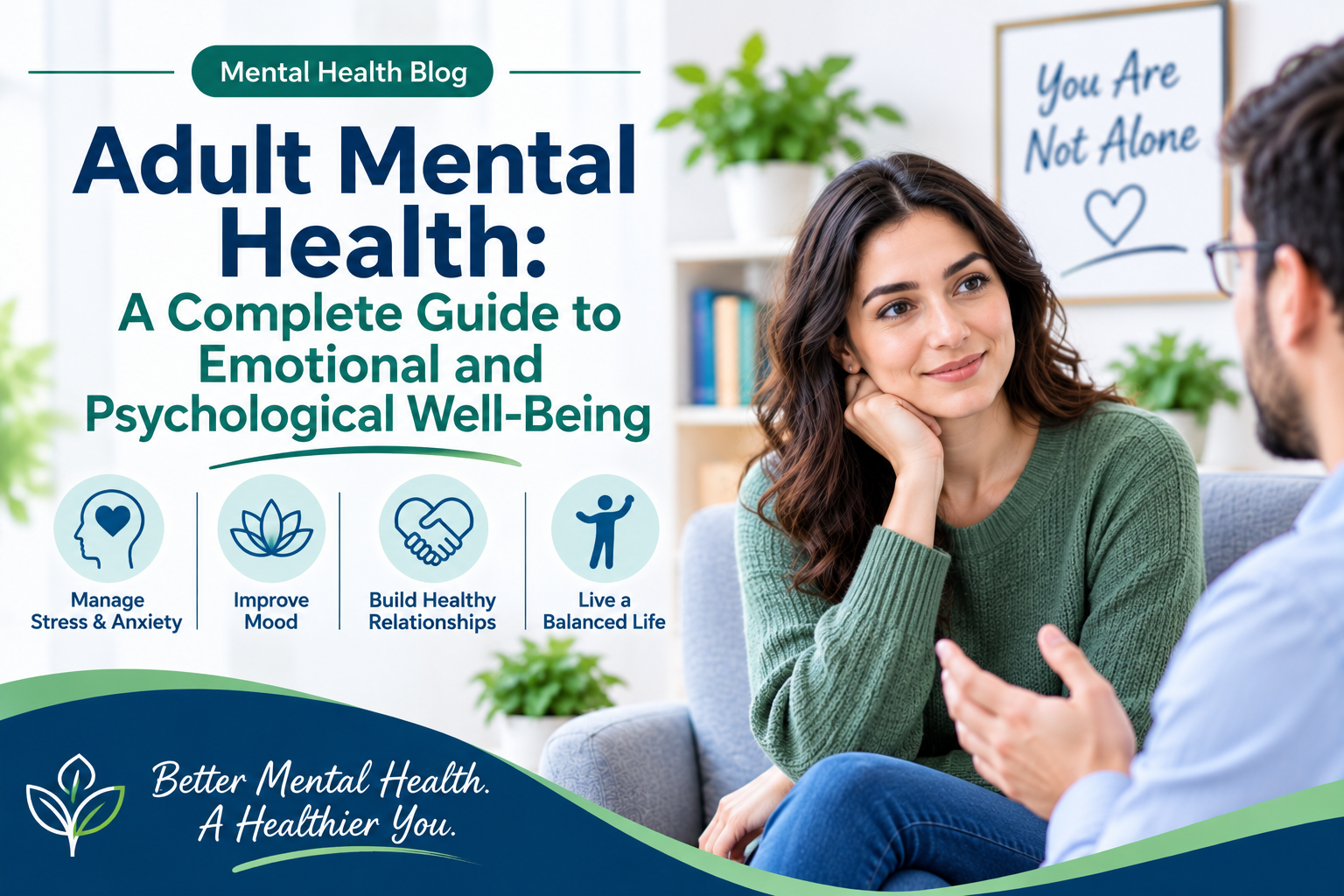
Mental health is an important part of overall well-being at every stage of life. For adults, emotional and psychological health can influence relationships, career responsibilities, decision-making, sleep, and daily activities. Managing work, family responsibilities, financial pressures, and personal changes can sometimes become overwhelming.
Adult Mental Health focuses on understanding and supporting the emotional, psychological, and behavioral well-being of adults. Mental health challenges can affect anyone, and experiencing them does not mean a person is weak or unable to manage everyday life.
Recognizing concerns and seeking appropriate professional support can help adults understand their symptoms and explore suitable care options. At RCF Pathways to Wellness, adults can learn about psychiatric mental health services designed to address a range of individual needs.
Why Is Adult Mental Health Important?
Good mental health supports how adults think, feel, communicate, and respond to everyday challenges. When emotional difficulties continue without support, they may affect different areas of life.
Adult mental health can influence:
-
Relationships: Emotional challenges may affect communication and connections with family, friends, and partners.
-
Work and productivity: Stress, anxiety, or difficulty concentrating can interfere with professional responsibilities.
-
Physical well-being: Mental health concerns may occur alongside sleep problems, fatigue, or physical tension.
-
Daily routines: Persistent symptoms can make ordinary responsibilities feel more difficult.
-
Emotional balance: Mental health support can help individuals better understand emotions and develop coping strategies.
Taking care of mental health is an important part of maintaining a balanced and healthy lifestyle.
Common Mental Health Concerns in Adults
Mental health conditions can affect adults in different ways. Symptoms and experiences vary from person to person.
Anxiety Disorders
Anxiety may involve excessive worry, restlessness, tension, difficulty concentrating, or trouble sleeping. Some adults may find it difficult to manage everyday responsibilities because of persistent fear or worry.
Depression
Depression can involve ongoing sadness, loss of interest, low energy, changes in sleep or appetite, feelings of hopelessness, and difficulty concentrating. Symptoms that persist or interfere with daily functioning deserve professional attention.
ADHD in Adults
Adult ADHD may involve difficulties with organization, attention, time management, impulsivity, or completing tasks. Some adults recognize these challenges later in life and seek an evaluation to better understand their experiences.
Mood and Behavioral Concerns
Changes in mood, emotional regulation, or behavior can affect personal and professional relationships. A professional assessment can help explore possible contributing factors.
Trauma and Stress-Related Concerns
Difficult experiences, major life changes, or prolonged stress may affect emotional well-being. Some adults experience intrusive memories, avoidance, anxiety, irritability, or sleep disturbances.
Sleep-Related Mental Health Concerns
Sleep difficulties may occur alongside anxiety, depression, stress, and other mental health concerns. Persistent sleep problems may be worth discussing with a qualified healthcare professional.
Signs You May Need Professional Mental Health Support
Adults sometimes overlook mental health symptoms because they are focused on work, family, or other responsibilities. However, ongoing changes in mood or behavior should not be ignored.
Consider seeking professional guidance if you experience:
-
Persistent sadness, worry, or irritability.
-
Loss of interest in activities you previously enjoyed.
-
Difficulty concentrating or making decisions.
-
Changes in sleeping or eating habits.
-
Ongoing fatigue or low motivation.
-
Withdrawal from friends, family, or social activities.
-
Difficulty managing everyday responsibilities.
-
Emotional distress that affects relationships or work.
These signs do not automatically indicate a specific diagnosis. A qualified provider can evaluate symptoms, consider relevant history, and discuss appropriate next steps.
If you are experiencing thoughts of suicide or self-harm, seek immediate support. If you may be in immediate danger, contact emergency services or go to the nearest emergency department.
How Are Adult Mental Health Concerns Evaluated?
A psychiatric evaluation helps a provider understand an individual's symptoms, background, and mental health needs.
The assessment may include:
-
Initial consultation: Discussing current concerns and reasons for seeking support.
-
Personal and medical history: Reviewing relevant health, psychiatric, and family history.
-
Symptom assessment: Exploring emotional, behavioral, and psychological experiences.
-
Daily functioning: Understanding how concerns affect work, relationships, sleep, and everyday activities.
-
Personalized recommendations: Discussing possible treatment options based on the evaluation.
Learn more about the process through Comprehensive Psychiatric Evaluations.
Treatment Options for Adult Mental Health
Treatment depends on an individual's symptoms, preferences, clinical history, and assessment. A provider may recommend one approach or a combination of options.
Psychotherapy
Psychotherapy provides a structured setting where adults can explore emotions, understand patterns of thinking, and develop coping strategies. It may help with concerns such as anxiety, depression, stress, and relationship difficulties.
Medication Management
Some adults may benefit from psychiatric medication as part of their treatment plan. Medication decisions should be based on an appropriate evaluation and include discussion of possible benefits, risks, and follow-up needs.
Explore the Medication Management service to learn more.
Lifestyle and Self-Care Strategies
Healthy daily habits can complement professional mental health care. Helpful practices may include:
-
Maintaining a consistent sleep schedule.
-
Staying physically active when possible.
-
Building supportive relationships.
-
Setting realistic personal and professional goals.
-
Making time for relaxing activities.
-
Practicing stress-management techniques.
-
Seeking help when emotional difficulties become difficult to manage.
Self-care can support well-being, but it is not a substitute for professional treatment when symptoms are persistent or severe.
Adult Mental Health Services at RCF Pathways to Wellness
Finding the right mental health support can help adults better understand their concerns and explore appropriate care.
At RCF Pathways to Wellness, Dr. Rhiguetty Fortune, DNP, PMHNP-BC, is a board-certified Psychiatric Mental Health Nurse Practitioner providing psychiatric mental health care for children, adolescents, and adults.
Services include comprehensive psychiatric evaluations, medication management, psychotherapy, ADHD evaluation and treatment, and support for anxiety, depression, mood concerns, trauma-related symptoms, and sleep-related mental health concerns.
Adults can learn more about the provider through the RCF Provider page, explore the practice through the RCF website, and visit the About Us page.
Conclusion
Adult mental health affects many aspects of everyday life, from relationships and work to sleep and emotional well-being. Understanding common symptoms and recognizing when to seek support can help adults take informed steps toward better mental health.
Whether you are experiencing anxiety, depression, attention difficulties, ongoing stress, or other emotional concerns, a professional evaluation can help clarify your needs and identify possible treatment options.
RCF Pathways to Wellness offers psychiatric mental health services for adults, children, and adolescents. Reaching out for professional guidance can be a positive step toward understanding and supporting your mental well-being.
Book an Appointment with RCF Pathways to Wellness
Looking for professional psychiatric support for adult mental health concerns?
Contact RCF Pathways to Wellness to learn more about available services and appointment options.
Frequently Asked Questions
1. What is adult mental health?
Adult mental health refers to a person's emotional, psychological, and behavioral well-being. It affects how individuals think, feel, manage stress, and interact with others.
2. What are common mental health concerns in adults?
Common concerns include anxiety, depression, ADHD, mood difficulties, trauma-related symptoms, and sleep-related concerns.
3. When should an adult seek mental health support?
Consider professional support when emotional or behavioral symptoms persist, become overwhelming, or interfere with work, relationships, sleep, or daily responsibilities.
4. Can adults develop ADHD later in life?
ADHD is a neurodevelopmental condition that begins in childhood, but some people are not identified or diagnosed until adulthood. An evaluation can help clarify whether symptoms are related to ADHD or another concern.
5. Can psychotherapy help adults manage anxiety and depression?
Psychotherapy may help adults understand emotional patterns, develop coping skills, and address symptoms associated with anxiety and depression.
6. Is medication necessary for every adult with a mental health condition?
No. Medication is not appropriate or necessary for everyone. Treatment recommendations depend on the individual's symptoms, assessment, and clinical needs.
7. Does RCF Pathways to Wellness provide mental health services for adults?
Yes. RCF Pathways to Wellness provides psychiatric mental health services for adults, as well as children and adolescents.
8. How can I schedule an appointment with RCF Pathways to Wellness?
Visit the RCF Pathways to Wellness appointment page to contact the practice and ask about available appointment options.

 English
 Arabic
 French
 Spanish
 Portuguese
 Deutsch
 Turkish
 Dutch
 Italiano
 Romaian
 Portuguese (Brazil)
 Greek