


Creating a Functional and Sustainable Kitchen with the Right Textile Essentials
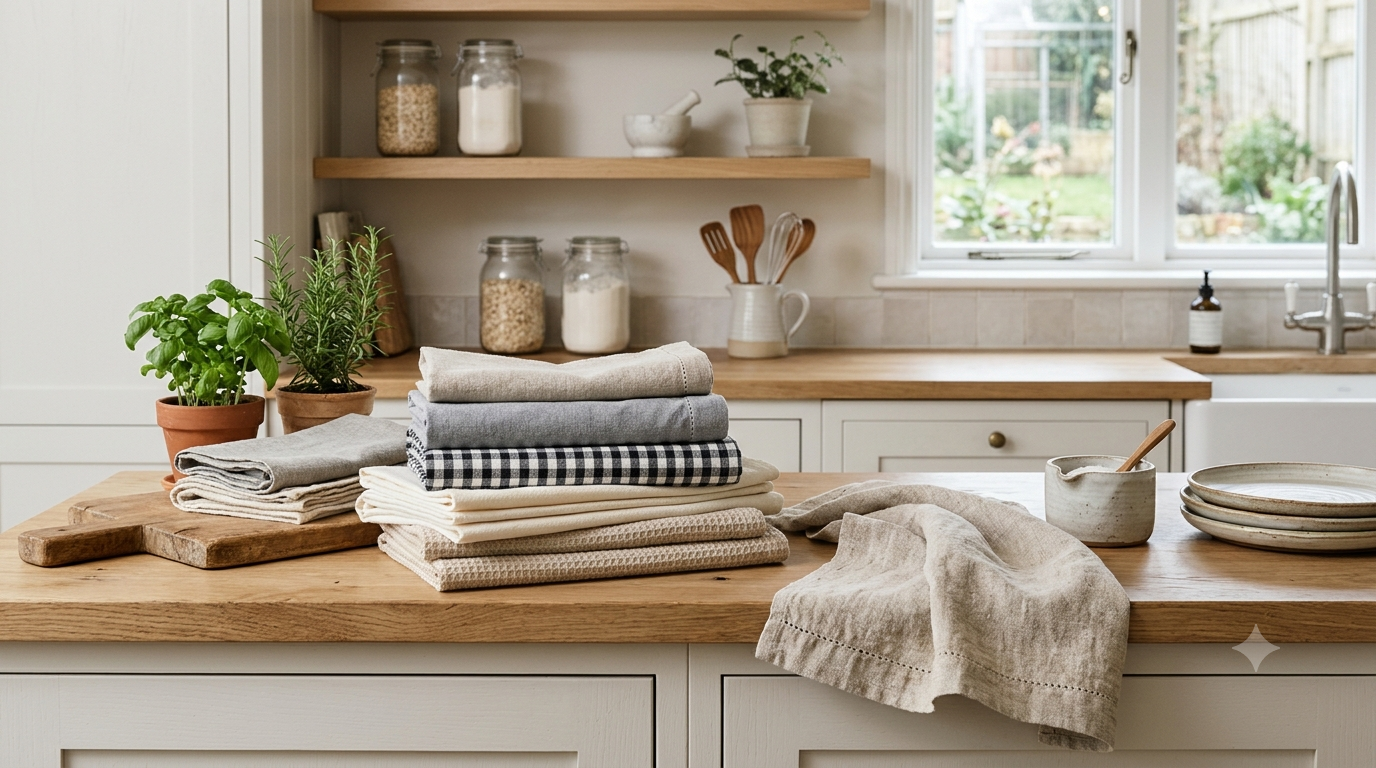
The kitchen is one of the busiest spaces in any home. From preparing meals and washing dishes to cleaning countertops and organizing everyday essentials, having the right accessories can make daily tasks easier and more enjoyable. While appliances and cookware often receive the most attention, kitchen textiles play an equally important role in maintaining a clean, comfortable, and well-organized cooking environment.
Choosing the right fabrics, textures, and designs can improve kitchen functionality while adding warmth and personality to the space. Reusable fabric products are also a practical alternative to disposable paper products, helping households make more environmentally conscious choices.
Whether you are refreshing your kitchen décor or looking for durable everyday essentials, understanding different textile materials and their uses can help you make better purchasing decisions.
Why Kitchen Textiles Matter in Everyday Life
Kitchen textiles are more than decorative accessories. They serve several practical purposes, including drying dishes, wiping surfaces, handling everyday spills, and keeping cooking spaces organized.
High-quality fabrics can make routine kitchen activities more convenient. They also help create a coordinated appearance by bringing together colors, patterns, and textures.
Some important benefits of choosing suitable kitchen textiles include:
-
Improved cleaning efficiency: Absorbent materials help manage water, spills, and moisture.
-
Everyday convenience: Reusable cloth products are easy to keep within reach.
-
Better kitchen organization: Different towels can be assigned to specific cleaning tasks.
-
Decorative appeal: Attractive patterns and natural textures complement different kitchen styles.
-
Reduced waste: Washable fabric alternatives can reduce dependence on disposable cleaning products.
Selecting the right textiles involves considering fabric quality, absorbency, durability, maintenance requirements, and overall appearance.
Understanding Different Fabrics for Kitchen Use
Not every fabric performs the same way. Some materials are particularly effective at absorbing moisture, while others are better suited to polishing glassware or adding decorative details.
Understanding these differences makes it easier to select textiles that match your household's needs.
Cotton for Everyday Cleaning
Cotton is widely appreciated for its softness, versatility, and practical performance. It is suitable for everyday kitchen activities such as wiping countertops, drying utensils, and cleaning up minor spills.
Cotton fabrics are generally easy to maintain and can withstand regular washing when properly cared for. Their versatility makes them a useful choice for busy households.
When purchasing cotton kitchen textiles, consider the fabric's thickness, weave, stitching, and overall construction. A well-made product should feel comfortable to handle while offering dependable everyday performance.
Linen for a Natural and Refined Appearance
Linen is another popular material for household textiles. Made from flax fibers, it has a distinctive natural texture and a relaxed appearance that works beautifully in traditional and contemporary kitchens.
A Linen Dish Towel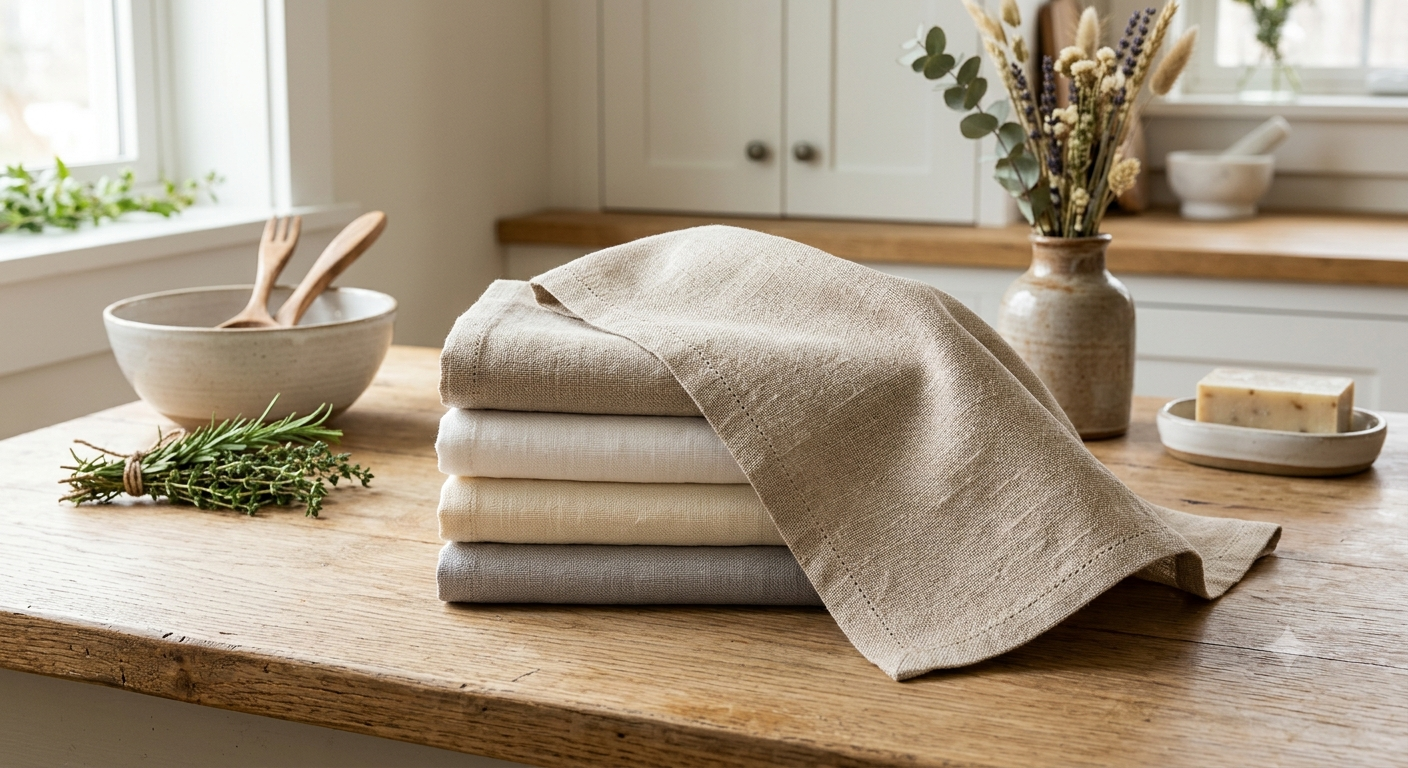 can be especially useful for drying glassware, wiping delicate kitchen items, and maintaining a neat countertop. Linen is known for its lightweight feel and ability to become softer with repeated washing and use.
Its natural appearance also makes it an attractive option for homeowners who prefer simple, understated kitchen décor.
Flour Sack Fabric for Versatile Household Tasks
Lightweight woven cotton fabrics have long been valued for their usefulness around the home. Their simple construction makes them suitable for a variety of cleaning and drying activities.
Flour Sack Tea Towels are appreciated for their lightweight texture, versatility, and practical design. They can be used for drying dishes, covering rising bread dough, polishing glassware, and keeping baked goods covered.
Their relatively smooth surface makes them useful for tasks that require a lint-conscious fabric. They are also easy to fold, store, and reuse, making them a practical addition to an organized kitchen.
Choosing the Right Towels for Different Kitchen Tasks
A well-organized kitchen benefits from having different textiles available for different purposes. Using one towel for every task may seem convenient, but separating cleaning, drying, and food-related activities can improve hygiene and organization.
For Drying Dishes and Utensils
Choose absorbent fabrics that can handle frequent contact with water. Cotton towels are a practical option for drying plates, bowls, and everyday kitchen utensils.
Keep a few clean towels near the dishwashing area so they are readily available after washing.
For Glassware and Delicate Items
Glassware often requires a softer, smoother fabric that helps minimize lint and visible streaks. Lightweight linen and closely woven cotton can be useful options.
Use a clean, dry towel when polishing drinking glasses, serving dishes, or decorative glass containers.
For Countertops and Everyday Spills
Keep separate cleaning cloths for countertops, stovetops, and other frequently used surfaces. Wash these cloths regularly, particularly after contact with food spills.
Choosing washable products makes it easier to maintain a consistent cleaning routine without relying entirely on disposable paper towels.
Bringing Style into the Kitchen with Patterns and Colors
Kitchen accessories can influence the overall atmosphere of a cooking space. Even small textile details can make a kitchen feel more welcoming and visually coordinated.
Patterns are particularly useful for introducing character without making major decorative changes.
Classic Checks and Timeless Patterns
Checked designs have remained popular because they combine traditional charm with everyday versatility. They work particularly well in farmhouse-inspired kitchens, rustic interiors, and modern spaces that incorporate natural materials.
Buffalo Plaid Kitchen Towels can introduce a bold yet familiar pattern through contrasting checks. They pair nicely with wooden countertops, neutral cabinetry, ceramic accessories, and simple kitchen shelving.
For a balanced appearance, choose one or two patterned accessories and combine them with solid-colored textiles. This prevents the kitchen from looking overly busy.
Natural Colors for a Relaxed Environment
Neutral shades such as cream, beige, white, soft gray, and natural brown create a calm atmosphere. These colors complement wooden furniture, stone countertops, and other natural finishes.
For households that prefer a little more visual interest, subtle stripes and muted checks can add texture while maintaining a coordinated appearance.
Changing seasonal accessories is another simple way to refresh the kitchen. Lighter shades can create a fresh spring and summer look, while deeper colors bring warmth during colder months.
Practical Tips for Maintaining Kitchen Textiles
Proper care helps extend the useful life of household fabrics. Even durable textiles require regular cleaning and suitable storage to maintain their appearance and performance.
Consider the following maintenance practices:
-
Wash regularly: Clean kitchen towels frequently, especially those used for drying dishes and handling food-related tasks.
-
Separate cleaning cloths: Keep towels used for countertops and general cleaning separate from those used for drying clean dishes.
-
Follow washing instructions: Check fabric care labels and use suitable water temperatures and detergents.
-
Dry thoroughly: Allow towels to dry completely before folding or storing them to prevent unpleasant odors.
-
Avoid excessive fabric softener: Heavy use of fabric softener can affect the absorbency of some cotton and linen textiles.
-
Inspect stitching: Check hems and seams periodically to identify signs of wear before they become larger problems.
-
Store neatly: Fold clean towels and keep them in a dry, accessible cupboard or basket.
Creating a simple rotation system is also helpful. Keeping several towels available allows used items to be washed while clean ones remain ready for everyday tasks.
Building a More Sustainable Kitchen
Sustainable living often begins with small changes in daily routines. Choosing reusable products, reducing unnecessary packaging, and selecting durable materials can help households develop more responsible consumption habits.
Kitchen textiles are a practical starting point because they are used frequently and can often replace disposable alternatives.
Choose Reusable Alternatives
Instead of depending entirely on paper towels for minor spills and everyday cleaning, consider washable cotton cleaning cloths. Reusable products can be used repeatedly when maintained properly.
However, disposable products may still be appropriate for certain hygiene-sensitive cleaning situations. The goal is to reduce unnecessary waste while maintaining a clean and safe kitchen.
Prioritize Quality Over Quantity
Buying fewer, better-made household essentials can be a practical approach to sustainable shopping. Look for durable stitching, reliable fabric construction, and materials suited to the intended purpose.
A thoughtfully selected collection of kitchen towels can serve multiple needs without requiring an excessive number of products.
Consider Natural Materials
Cotton and linen are popular choices for homeowners interested in natural textile materials. When shopping, consider the product's complete lifecycle, including how the fibers are sourced, manufactured, maintained, and eventually disposed of.
Certifications, transparent product information, and responsible manufacturing practices can help consumers make more informed decisions.
Creating an Organized and Welcoming Kitchen
An organized kitchen does not require an expensive renovation. Simple improvements, such as arranging textiles by purpose, using coordinated colors, and keeping frequently used items accessible, can make a noticeable difference.
Consider placing everyday drying towels near the sink, keeping cleaning cloths in a separate basket, and storing additional textiles in an accessible drawer.
Open shelves and small storage baskets can also create an attractive display while keeping essentials within reach. Matching accessories with existing kitchen colors helps maintain a consistent appearance.
Most importantly, choose products based on how your household actually uses the kitchen. A busy family kitchen may need more durable, easy-care cotton textiles, while a minimalist cooking space may benefit from lightweight linen and neutral designs.
Conclusion
Creating a functional and attractive kitchen starts with thoughtful choices. The right household textiles can simplify everyday cleaning, improve organization, complement interior décor, and support more sustainable habits. From absorbent cotton fabrics to lightweight linen and versatile woven materials, each textile offers different advantages for modern households.
Investing in reusable, well-made essentials also encourages a more mindful approach to everyday consumption. By considering fabric quality, practical uses, maintenance requirements, and timeless designs, homeowners can build a kitchen that is both beautiful and functional.
For those exploring thoughtfully selected home textiles, kitchen essentials, and sustainable everyday products, All Cotton and Linen offers a range of options designed to bring practicality and style into the home. Discover more at All Cotton and Linen and find inspiration for creating a comfortable, organized, and welcoming living space.

 English
 Arabic
 French
 Spanish
 Portuguese
 Deutsch
 Turkish
 Dutch
 Italiano
 Russian
 Romaian
 Portuguese (Brazil)