


Teeth Whitening Brampton: A Complete Guide to a Brighter, Healthier-Looking Smile
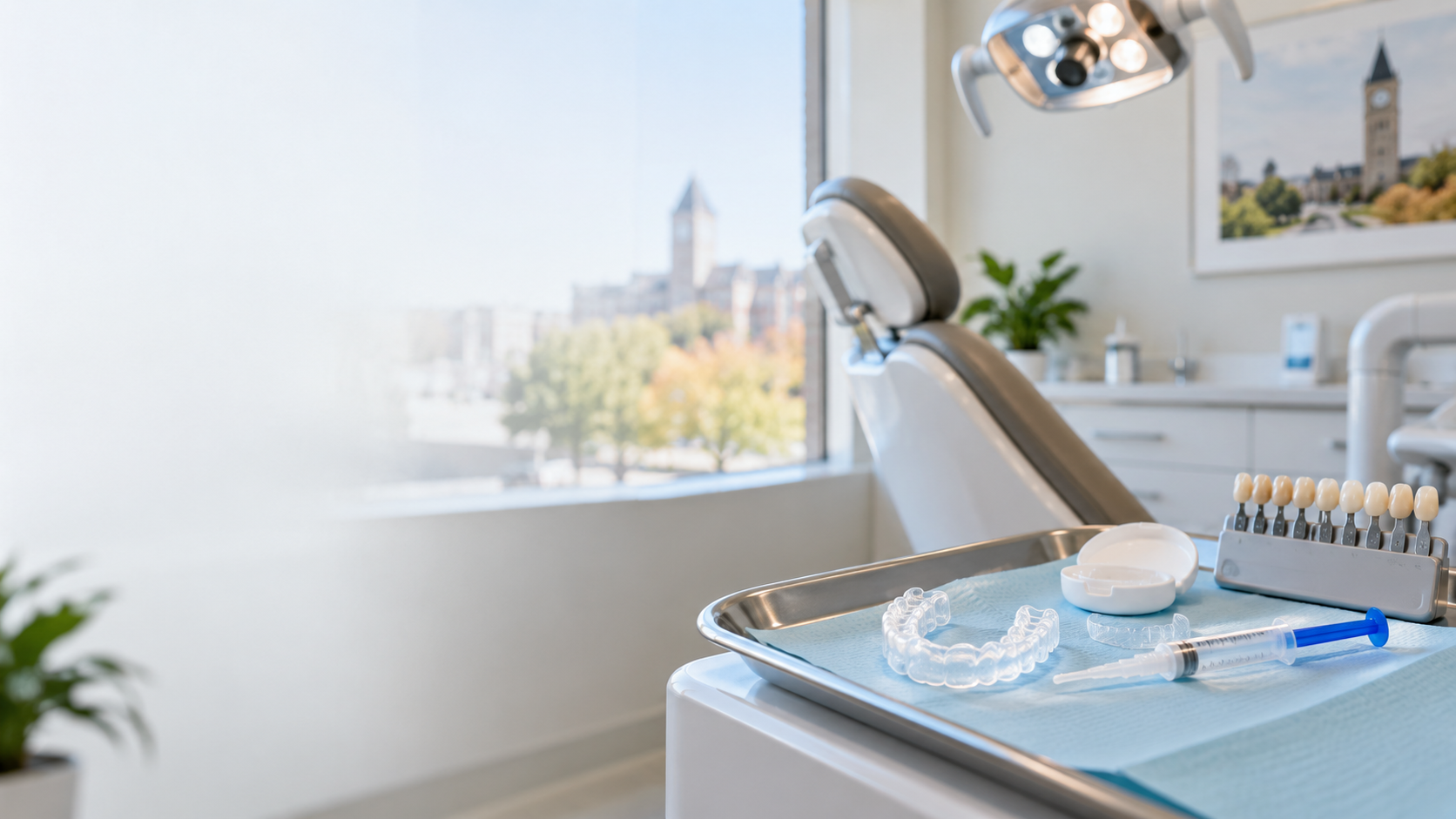
A bright, confident smile can make a lasting impression, whether you are attending a special event, meeting new people, or simply going about your daily routine. However, coffee, tea, certain foods, and natural aging can gradually cause teeth to lose their brightness. At Delta Park Dental, understanding the options for Teeth Whitening Brampton can help patients make informed decisions about improving their smiles safely and effectively.
Professional teeth whitening is a popular cosmetic dental treatment designed to reduce stains and improve the natural appearance of teeth. Before choosing a whitening method, it is important to understand how the treatment works, what results to expect, and how to maintain a brighter smile.
What Is Professional Teeth Whitening?
Professional teeth whitening is a cosmetic dental procedure that uses specially formulated whitening agents to lighten the appearance of natural teeth. These agents typically contain hydrogen peroxide or carbamide peroxide, which help break down stain-causing compounds within the teeth.
Unlike regular brushing, which primarily removes surface deposits, whitening treatments can address certain stains that have developed within tooth enamel.
The effectiveness of treatment depends on several factors, including the type of discoloration, natural tooth colour, and overall oral health.
Some stains respond well to whitening, while others may require different cosmetic solutions. A dental examination can help determine whether whitening is suitable for your teeth.
What Causes Teeth to Become Stained or Discoloured?
Understanding the causes of tooth discoloration can help you make better decisions about whitening and long-term dental care.
1. Coffee, Tea, and Dark Beverages
Coffee, tea, red wine, and certain dark-coloured drinks contain pigments that can gradually stain tooth surfaces. Frequent consumption can make discoloration more noticeable over time.
2. Tobacco Products
Smoking and other tobacco use can cause persistent yellow or brown stains. These stains may be difficult to remove through regular brushing alone.
3. Natural Aging
As people age, tooth enamel can become thinner, allowing more of the naturally yellowish dentin underneath to show through.
4. Poor Oral Hygiene
Inadequate brushing and flossing can allow plaque and tartar to accumulate, affecting the appearance of teeth. Professional cleaning may improve surface appearance before whitening is considered.
5. Medications and Dental Conditions
Certain medications, developmental conditions, dental injuries, and previous treatments can affect tooth colour. These types of discoloration may not respond predictably to conventional whitening.
Identifying the underlying cause helps determine the most appropriate treatment approach.
Benefits of Professional Teeth Whitening in Brampton
Choosing professional teeth whitening in Brampton offers several advantages for individuals who want to improve their smile's appearance.
Improved Smile Appearance
Whitening can reduce the appearance of yellow or dark stains, helping natural teeth look brighter and more refreshed.
Personalized Treatment Planning
Dental professionals can evaluate tooth sensitivity, existing restorations, and the type of staining before recommending a suitable whitening approach.
Controlled Application
Professionally supervised treatment allows whitening products to be used according to an individual's dental needs, helping reduce unnecessary irritation.
Greater Confidence
Some people feel more comfortable smiling in photographs, participating in conversations, and attending social occasions after improving the appearance of stained teeth.
Better Understanding of Oral Health
A whitening consultation also provides an opportunity to identify dental concerns that should be addressed before cosmetic treatment.
Although whitening can improve appearance, it does not replace routine dental care or treatment for existing oral health problems.
Professional Teeth Whitening vs. At-Home Whitening Products
People exploring Brampton teeth whitening often wonder whether professional treatment is preferable to products available in stores.
Both approaches may improve tooth colour, but they differ in application, supervision, and suitability.
Professional Whitening
Professional whitening involves an assessment of oral health followed by an appropriate treatment recommendation. Depending on the method used, treatment may involve in-office procedures or professionally provided take-home products.
The whitening process can be adjusted based on individual sensitivity and treatment goals.
Over-the-Counter Whitening
Whitening strips, gels, and toothpaste are widely available. Some products can reduce surface stains or lighten natural teeth when used correctly.
However, results vary, and inappropriate use may lead to tooth sensitivity or gum irritation.
Whitening toothpaste mainly targets external staining rather than significantly changing the underlying colour of teeth.
People with dental restorations, sensitive teeth, or gum problems should seek professional advice before using whitening products.
What to Expect During a Teeth Whitening Appointment
Understanding the whitening process can help reduce uncertainty and prepare patients for treatment.
Step 1: Dental Examination
A dental professional examines the teeth and gums for cavities, exposed roots, gum inflammation, and other concerns.
Existing fillings, crowns, and veneers are also considered because whitening agents do not lighten these materials in the same way as natural teeth.
Step 2: Assessing Tooth Colour
The current tooth shade may be evaluated to establish realistic expectations.
Natural tooth colour varies, so not every patient will achieve the same degree of whitening.
Step 3: Selecting a Whitening Method
The appropriate approach depends on oral health, sensitivity, discoloration, and treatment preferences.
Step 4: Applying the Whitening Treatment
For in-office treatment, protective measures may be used to limit contact between the whitening agent and surrounding gum tissue.
The whitening product is then applied according to the treatment protocol.
Step 5: Aftercare Guidance
Patients receive instructions for managing temporary sensitivity and maintaining their results.
Some people notice improvement after treatment, while others may require additional applications depending on their starting shade and chosen method.
How to Maintain Teeth Whitening Results
Whitening results are not permanent. Everyday habits, diet, and oral hygiene influence how long teeth remain bright.
Consider these practical recommendations:
-
Brush twice daily: Use fluoride toothpaste and a soft-bristled toothbrush to remove plaque and surface deposits.
-
Clean between your teeth: Daily flossing or another suitable interdental cleaning method helps maintain oral hygiene.
-
Limit staining beverages: Reducing frequent exposure to coffee, tea, and red wine may help minimize new stains.
-
Rinse with water: Drinking water after consuming highly pigmented foods or beverages can help wash away some residue.
-
Avoid tobacco: Tobacco can contribute to persistent staining and other oral health problems.
-
Schedule regular dental visits: Routine examinations and professional cleanings help support long-term dental health.
Avoid excessive whitening or frequent use of abrasive products. More frequent treatment does not necessarily produce better results and may increase sensitivity.
Who Is a Suitable Candidate for Teeth Whitening?
Professional whitening may be appropriate for adults with healthy teeth and gums who want to reduce common stains.
However, treatment suitability varies.
Individuals with untreated cavities, gum disease, significant sensitivity, or exposed tooth roots may require additional dental care before whitening.
Whitening also cannot predictably change the colour of crowns, veneers, or tooth-coloured fillings. Patients with visible restorations should discuss potential shade differences before treatment.
Pregnant or breastfeeding individuals are generally advised to postpone elective whitening because safety information is limited.
A dental assessment helps determine whether whitening is appropriate and whether alternative cosmetic treatments should be considered.
Conclusion
Achieving a brighter smile involves more than selecting a whitening product. Understanding the causes of discoloration, choosing an appropriate treatment, and maintaining good oral hygiene all contribute to better long-term results.
For individuals considering Teeth Whitening Brampton, professional guidance can help establish realistic expectations while prioritizing dental health. At Delta Park Dental, patients can explore their whitening options, discuss individual concerns, and take informed steps toward a brighter, more confident smile.

 English
 Arabic
 French
 Spanish
 Portuguese
 Deutsch
 Turkish
 Dutch
 Russian
 Romaian
 Portuguese (Brazil)
 Greek