


Understanding Nicotine Strengths in Vape Liquids: A Clear Guide for UK Vapers
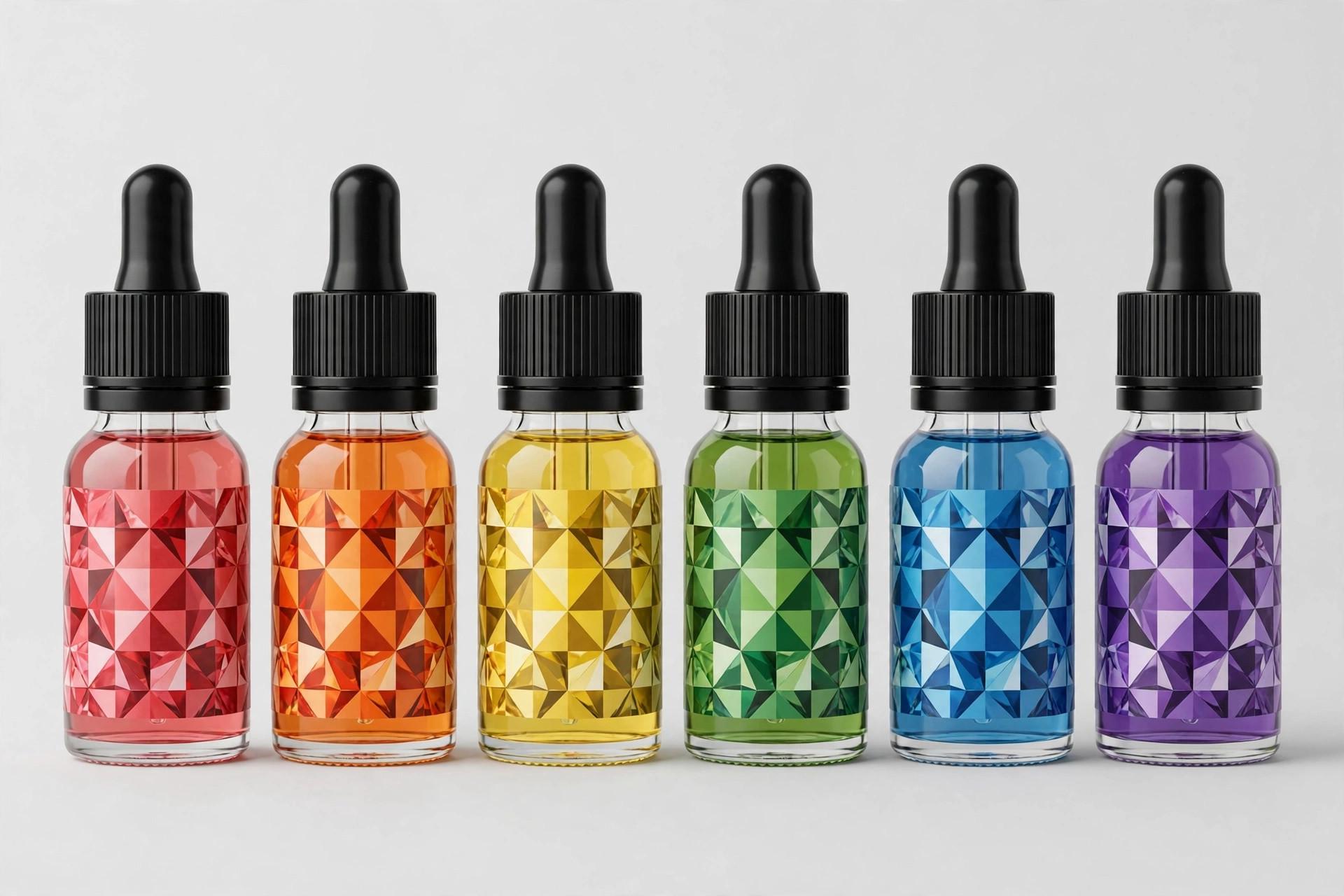
Nicotine strength is the first thing most vapers look at when they choose an e-liquid, and it is also the thing that decides whether a vape feels satisfying or falls flat. Ranges such as 10mg Nic Salts sit in the middle of the strength scale, and understanding where that middle ground fits helps you pick a liquid that matches your habits instead of guessing. This guide explains how strengths are measured, what the common levels feel like, and how to choose the right one for the way you vape.
What the Numbers Mean
Nicotine strength on a vape liquid bottle is shown in milligrams per millilitre, written as mg/ml or simply mg. A 10 mg bottle contains 10 milligrams of nicotine in every millilitre of liquid, while a 20 mg bottle contains twice that amount. The number is not a percentage, although some labels show both: 10 mg is roughly 1 percent nicotine by volume, and 20 mg is roughly 2 percent. In the UK and Europe, 20 mg is the legal maximum strength for e-liquids, so no shop should sell anything stronger in a standard bottle.
Freebase Nicotine and Nic Salts
There are two main forms of nicotine in vape liquids. Freebase nicotine is the traditional form, and it gives a noticeable throat hit that grows stronger as the strength rises. Nicotine salts, usually shortened to nic salts, are made by adding a mild acid that changes how the body absorbs the nicotine. Nic salts feel much smoother on the throat at the same strength, so a 10 mg or 20 mg nic salt liquid is comfortable to vape even though the nicotine level is the same or higher than a freebase liquid. That smoothness is why nic salts have become the standard choice in small pod kits and disposable style devices.
Understanding 5 mg Vape Liquid and Nicotine Strength
At the lighter end of the scale, 5 mg liquids suit people who vape often through the day and want a gentle level of nicotine with every session. A 5 mg strength delivers a mild effect, which makes it a popular stepping stone for vapers who are gradually reducing their intake. It also pairs well with devices that produce more vapour, because each puff carries a larger volume of liquid. Understanding how 5 mg sits next to stronger options is the key to moving up or down the scale without a sudden jump that feels wrong.
Why 10 mg Is the Middle Ground
A 10 mg strength is where many vapers settle. It gives a clear, satisfying nicotine delivery without the intensity of the strongest liquids, and in nic salt form it stays smooth enough for all day use in a low powered pod kit. Former smokers who smoked light or social cigarettes often find 10 mg matches their previous intake closely. It is also a sensible first step down for anyone moving away from 20 mg, because the drop is noticeable but manageable. This balance of smoothness and satisfaction is exactly what most mid strength ranges are built around.
Who Should Choose 20 mg?
The strongest liquids, at 20 mg, are aimed at heavier smokers who have just switched to vaping and need a fast, firm nicotine hit to keep cravings away. In nic salt form, 20 mg absorbs quickly and feels closer to the speed of a cigarette, which is why it is common in starter kits and disposables. Over time many people reduce from 20 mg once the cigarette habit is broken, because keeping nicotine higher than you need brings no extra benefit and can cause headaches, dizziness or a racing feeling if you vape too much of it.
How Device and Habits Change the Right Strength
The right strength depends on more than the number on the bottle. Low powered pod kits and mouth to lung devices use less liquid per puff, so they pair well with higher strengths like 10 mg and 20 mg nic salts. Powerful sub ohm kits produce far more vapour per puff, so they are normally used with low strengths such as 3 mg or 6 mg freebase liquids. Your own habits matter just as much: someone who vapes a few times an hour needs less nicotine per puff than someone who takes a handful of puffs a day. Matching strength to device and routine is what makes vaping feel effortless rather than unsatisfying.
Reading the Label Before You Buy
UK rules require e-liquid packaging to carry the nicotine strength, the bottle size, health warnings and a list of ingredients. Take a moment to check the strength printed on the box before you buy, because ranges often come in several strengths that look almost identical on the shelf. Ready to use nic salt bottles are normally 10 ml, which is the legal maximum bottle size for nicotine containing liquids in the UK. If a product offers no clear strength on the label, or claims strengths above 20 mg, it is not a compliant UK product and is best avoided.
Choosing Your Strength and Moving Between Levels
Start from your smoking history if you have one. Heavy smokers usually begin at 20 mg, moderate smokers at 10 mg, and light or social smokers at 5 mg or lower. Give any new strength a few days, because your body and habits adjust gradually. If you are chain vaping and still feel unsatisfied, the strength is probably too low; if you get headaches or feel jittery, it is probably too high. Moving down in small steps, from 20 mg to 10 mg and then to 5 mg, is the way most people reduce comfortably without going back to cigarettes.
Final Thoughts
Nicotine strength is not about picking the biggest number; it is about matching the liquid to your device, your habits and your goals. A clear understanding of the scale, from gentle 5 mg liquids through the balanced 10 mg middle ground to the strongest 20 mg options, makes every purchase simpler and every vape more satisfying. Take the time to read the label, start at the level that matches your history, and adjust in small steps until the balance feels right.

 English
 Arabic
 French
 Spanish
 Portuguese
 Deutsch
 Turkish
 Dutch
 Italiano
 Romaian
 Portuguese (Brazil)
 Greek