


What Happens During a Visa Blood Test? Step-by-Step Guide
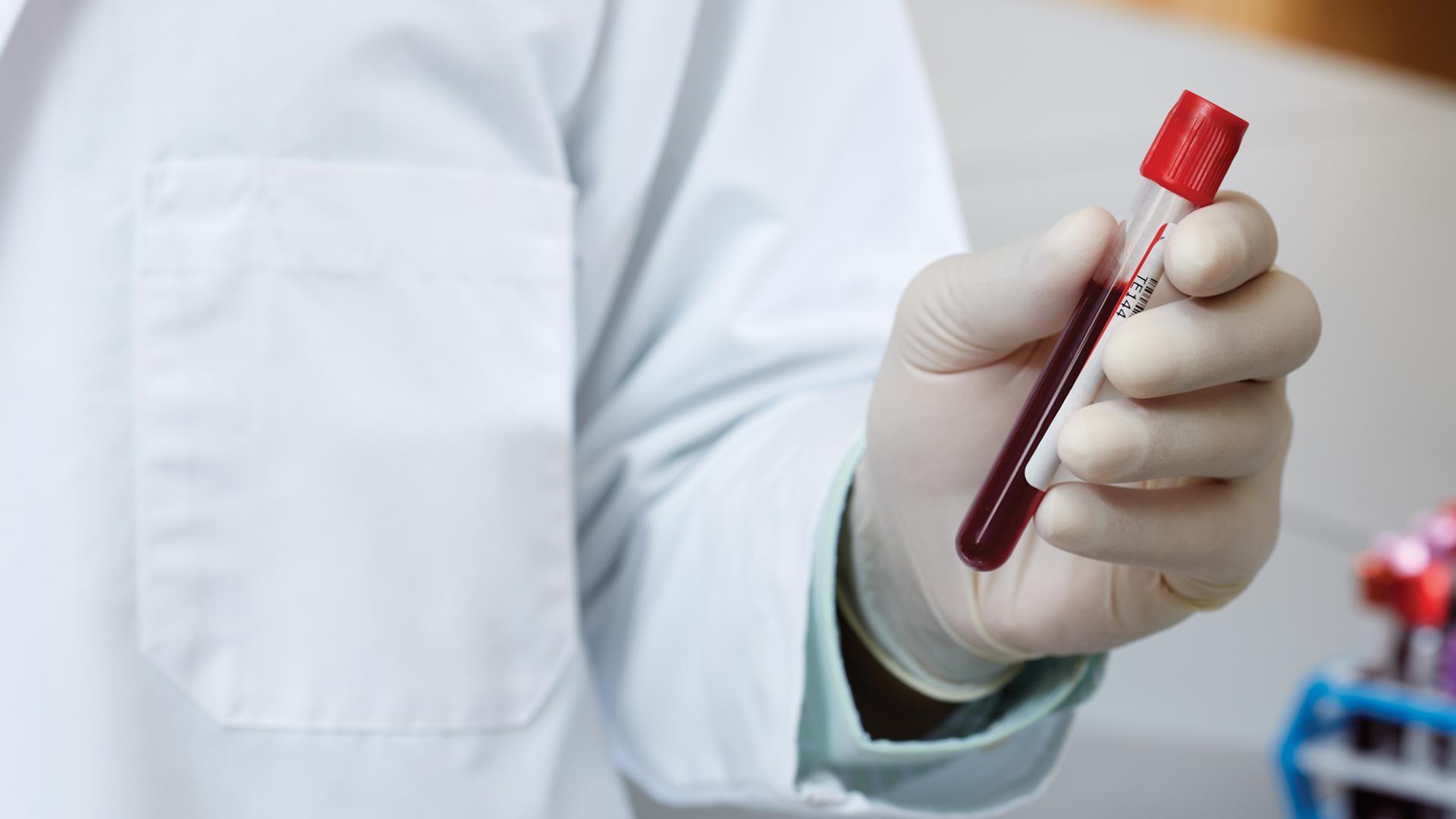
A visa application often involves several important procedures, and a medical examination is one of the steps that some applicants must complete before their immigration process can move forward. Depending on the destination country and visa category, this examination may include a Visa Blood Test Dubai to identify specific infections and evaluate certain health indicators.
For applicants who have never undergone an immigration medical examination, the blood testing process can raise many questions. What happens when you arrive at the medical facility? How is the blood sample collected? Which tests are performed? Does the procedure hurt, and what happens after the laboratory receives your sample?
Understanding the process in advance can reduce anxiety and help you prepare for your appointment.
This step-by-step guide explains what happens during a visa blood test, from initial registration and medical history review to blood collection, laboratory analysis, and final medical reporting. It also covers common screening tests, preparation instructions, and what applicants should expect when receiving their results.
Before the Needle: Understanding the Visa Blood Test Process
A visa blood test is a laboratory investigation performed as part of certain immigration medical examinations. It involves collecting a blood sample and analyzing it for specific medical markers required by the relevant immigration health guidelines.
The main purpose is to identify particular infections or health indicators that may be relevant to the applicant's medical assessment.
Depending on the immigration program, the requested blood investigations may include:
-
HIV screening.
-
Hepatitis B testing.
-
Hepatitis C screening.
-
Syphilis testing.
-
Additional laboratory investigations when medically necessary.
Not every applicant undergoes the same tests. Requirements depend on the destination country, visa category, applicant's circumstances, and official immigration medical instructions.
A blood test may also be only one component of the complete examination. Some applicants may need a physical assessment, chest X-ray, medical history review, or additional diagnostic procedures.
Step-by-Step: What Happens During a Visa Blood Test?
Although the exact procedure can differ between medical facilities, most immigration blood tests follow a structured process.
Step 1: Registration and Identity Verification
Your medical examination generally begins with registration at the authorized medical facility.
The staff verifies your identity and reviews the information associated with your visa application.
You may be asked to provide:
-
A valid passport or approved identification.
-
Visa application reference details.
-
Medical examination appointment confirmation.
-
Other documents specified by the medical provider.
This step is important because your blood sample and laboratory results must be correctly associated with your medical examination.
If your immigration program requires a designated panel physician or authorized medical facility, make sure you attend the correct provider.
Step 2: Reviewing Your Medical History
Before collecting the blood sample, a healthcare professional may review your medical history.
This helps the medical provider understand your health background and identify whether additional investigations are necessary.
You may be asked questions about:
-
Previous infectious diseases.
-
Existing medical conditions.
-
Current prescription medications.
-
Previous surgeries or hospitalizations.
-
Earlier abnormal laboratory results.
-
Ongoing medical treatment.
Answer these questions honestly and provide relevant medical documentation when requested.
Your medical history does not automatically determine the outcome of your visa application. However, accurate information helps healthcare professionals interpret findings appropriately.
Step 3: Confirming Which Blood Tests Are Required
The next stage involves confirming the laboratory investigations requested for your immigration medical examination.
The medical provider follows the applicable immigration screening guidelines rather than performing every available blood test.
Depending on the program, the requested investigations may include HIV, hepatitis B, hepatitis C, or syphilis screening.
Additional tests may be requested when there is a clinical reason or when the immigration authority specifically requires them.
At this stage, you can ask the healthcare professional whether fasting is necessary and whether any special preparation instructions apply.
Step 4: Preparing for Blood Sample Collection
Once the required investigations are confirmed, the healthcare professional prepares for sample collection.
You will usually be asked to sit comfortably while the collection area is prepared.
The professional typically:
-
Selects an appropriate vein, commonly on the inside of your arm.
-
Applies a tourniquet if needed to make the vein easier to locate.
-
Cleans the selected area with an appropriate antiseptic.
-
Prepares the sterile needle and collection equipment.
If you feel nervous about needles or have previously experienced dizziness during blood collection, inform the healthcare professional before the procedure begins.
Step 5: Collecting the Blood Sample
This is the main part of the visa blood test.
A trained healthcare professional gently inserts a sterile needle into a vein and collects the required amount of blood into appropriate collection tubes.
You may feel a brief pinch or mild pressure during needle insertion. The actual collection usually takes only a few minutes.
Once enough blood has been collected, the needle is removed and a small dressing or cotton pad is placed over the puncture site.
Most people can return to their normal activities shortly afterward.
Step 6: Labeling and Handling the Sample
After collection, the blood sample must be correctly labeled and handled according to laboratory procedures.
The labeling process helps prevent identification errors and ensures that the sample is linked to the correct applicant and requested investigations.
The sample is then prepared for laboratory processing.
Proper sample handling is important because laboratory accuracy depends not only on the testing method but also on correct identification, storage, and processing.
Step 7: Laboratory Testing and Medical Analysis
Once the sample reaches the laboratory, qualified laboratory professionals perform the requested investigations.
Different tests use different methods to identify specific medical markers.
For example:
HIV screening: Commonly uses laboratory methods that detect HIV antibodies and, depending on the test, the p24 antigen.
Hepatitis B screening: May involve testing for markers such as hepatitis B surface antigen and antibodies.
Hepatitis C screening: Often begins with an antibody test, followed by additional testing when necessary.
Syphilis screening: May involve non-treponemal or treponemal laboratory investigations.
The laboratory reports the findings to the relevant medical provider according to the established reporting process.
Step 8: Reviewing the Results
After the laboratory completes the requested tests, the findings are reviewed.
Results may be described using terms such as negative, non-reactive, positive, reactive, or inconclusive.
The meaning of these terms depends on the particular test.
A reactive screening result does not always establish a confirmed infection. Additional testing may be necessary to clarify the finding.
The medical provider evaluates the results alongside relevant medical history and other examination findings.
Step 9: Completing the Immigration Medical Report
The final stage involves incorporating the laboratory findings into the immigration medical assessment.
Depending on the applicable procedure, the medical provider may submit the report electronically or follow another approved reporting method.
If additional investigations are required, the medical examination may remain incomplete until those steps have been addressed.
Applicants should confirm how their results will be submitted and whether they need to take any further action.
Which Diseases Can Be Detected During a Visa Blood Test?
The conditions checked depend on the immigration medical program. However, certain infectious diseases may be included in some screening protocols.
| Medical condition | Possible screening method |
|---|---|
| HIV | Antigen and antibody testing |
| Hepatitis B | Hepatitis B antigen and antibody markers |
| Hepatitis C | Antibody testing and possible RNA testing |
| Syphilis | RPR, VDRL, or treponemal testing |
It is important to distinguish blood testing from other medical investigations.
For example, tuberculosis screening commonly involves chest X-rays, symptom assessment, and sometimes additional tests. It is not routinely diagnosed through a standard visa blood test.
Similarly, diabetes screening may involve glucose or HbA1c testing when requested, but it is not a universal immigration blood test requirement.
Does a Visa Blood Test Hurt?
One common concern among applicants is whether the blood collection procedure is painful.
For most people, the procedure causes only a brief pinch when the needle enters the vein.
Some individuals may experience mild tenderness, temporary bruising, or slight discomfort around the collection site.
To make the procedure more comfortable:
-
Keep your arm relaxed.
-
Drink water normally if permitted.
-
Tell the healthcare professional if you feel anxious.
-
Look away if needles make you uncomfortable.
-
Inform the staff if you have previously fainted during blood collection.
If you experience unusual pain, persistent bleeding, or significant swelling after the procedure, seek medical advice.
How Long Does Each Stage Take?
The time required for a visa blood test depends on the medical facility and the investigations requested.
| Stage | General time expectation |
|---|---|
| Registration | Varies by facility |
| Medical history review | Depends on individual circumstances |
| Blood collection | Usually a few minutes |
| Laboratory analysis | Depends on the requested tests |
| Medical report review | Depends on the reporting process |
Although blood collection itself is relatively quick, the complete immigration medical examination may take longer because additional procedures or investigations can be required.
Applicants should ask their medical provider about the expected reporting timeline rather than assuming that all results will be available immediately.
What Should You Do Before and After the Blood Test?
Good preparation can make your appointment easier.
Before attending:
-
Confirm which blood investigations are required.
-
Bring your identification and visa medical documents.
-
Review your medical history.
-
Inform the provider about current medications.
-
Ask whether fasting is necessary.
-
Follow the instructions of the authorized medical facility.
After the examination:
-
Follow the dressing instructions provided by the healthcare professional.
-
Resume normal activities if you feel well.
-
Attend any recommended follow-up appointments.
-
Ask how your medical report will be submitted.
-
Discuss any abnormal findings with a qualified professional.
Do not stop prescribed medication or change your treatment routine without medical advice.
What Happens If Your Visa Blood Test Result Is Abnormal?
An abnormal laboratory result can create concern, especially when it is connected to an important immigration application.
However, an abnormal or reactive result does not automatically mean that your visa will be refused.
The healthcare provider may recommend confirmatory testing, repeat sample collection, or consultation with a specialist.
The immigration authority then evaluates the medical findings according to the regulations applicable to your visa category.
The best approach is to obtain a professional explanation of the results, complete any recommended investigations, and follow the official medical reporting process.
Frequently Asked Questions About the Visa Blood Test Procedure:
Can I eat before a visa blood test?
Many infectious disease screening tests do not require fasting. However, additional laboratory investigations may have different preparation requirements. Always follow the medical provider's instructions.
How much blood is collected during the examination?
The amount depends on the number and type of tests requested. Only the sample volume needed for the laboratory investigations is collected.
Can I go to work after a visa blood test?
Most people can return to their usual activities shortly after routine blood collection. If you experience dizziness or discomfort, take time to recover and follow medical advice.
When will I receive my visa blood test results?
The reporting time varies according to the laboratory investigations, workload, and medical review procedure.
Does an abnormal result mean I have failed the visa medical examination?
Not necessarily. Additional investigations may be required before the medical findings can be interpreted and assessed under immigration rules.
Can I choose any laboratory for my immigration blood test?
Some immigration programs require testing through an authorized medical provider. Confirm the official procedure before arranging your examination.
Final Thoughts:
Understanding what happens during a visa blood Lab tests can make the immigration medical examination much less stressful. From registration and medical history review to sample collection, laboratory analysis, and final reporting, each stage follows an established medical procedure.
Although the blood collection process is generally quick and straightforward, the investigations required and the time needed for reporting depend on the specific immigration program.
Prepare your documents, follow the medical provider's instructions, share accurate health information, and complete any recommended follow-up tests.
With the right preparation and a clear understanding of the procedure, you can approach your visa blood test with greater confidence and avoid many common uncertainties.

 English
 Arabic
 French
 Spanish
 Portuguese
 Deutsch
 Turkish
 Dutch
 Italiano
 Russian
 Romaian
 Greek