


Multi-Currency Business Account and Foreign Currency Business Bank Account: A Complete Guide for International Businesses
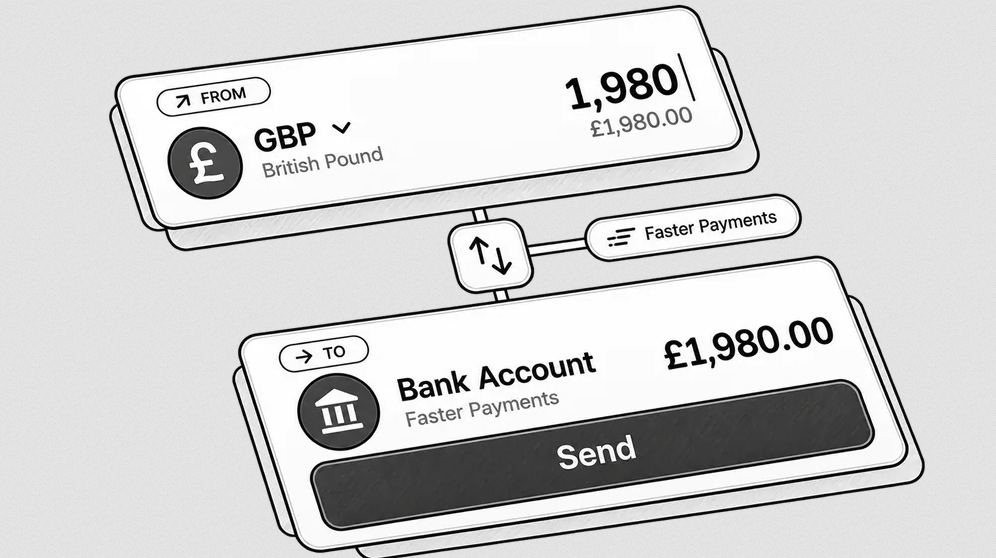
International business has changed dramatically over the past decade. Companies no longer need offices in several countries to serve overseas customers, buy from foreign suppliers, hire freelancers, or sell on global marketplaces. A small online store can sell to customers in the United States, receive payments from Europe, buy inventory from China, and hire professionals worldwide.
Managing money across currencies, however, is complicated. Exchange rate fluctuations, international transfer charges, delayed payments, and complex banking procedures all make financial management harder. This is where a multi-currency business account and a foreign currency business bank account become valuable. These accounts help businesses receive overseas payments, hold supported foreign currencies, and pay international suppliers more efficiently.
This guide explains how both account types work, how they differ, what they cost, how to open one, and what to check before you choose a provider.
What Is a Multi-Currency Business Account?
A multi-currency business account lets a company receive, hold, exchange, and send money in multiple currencies through one account or platform. Instead of keeping a separate banking relationship for each currency, a business manages several balances from one dashboard.
For example, a company serving customers in the United States, the United Kingdom, and Europe may need to manage US dollars (USD), British pounds (GBP), and euros (EUR). A multi-currency account keeps these balances organized and lets the company use them for eligible transactions.
Depending on the provider, the account may also offer:
- Local receiving details
- International transfers
- Business debit cards
- Payment tracking
- Accounting software integrations
Not every multi-currency account is a traditional bank account. Some are issued by licensed banks, while others are offered by regulated electronic money institutions or payment service providers. This matters because account protection, withdrawal rights, available services, and regulatory responsibilities can differ.
How Does a Multi-Currency Account Work?
After registration and verification, an approved company can maintain separate balances for supported currencies on one platform. The provider may supply receiving details for particular currencies and countries, which the business shares with customers, marketplaces, or partners so they can pay through supported banking networks.
When a payment arrives, the funds are credited to the matching currency balance, subject to the provider’s terms and the payment route. The company can then hold the funds, exchange them, or use them to pay an eligible recipient.
Imagine a digital marketing agency that receives $3,000 from a US client and €2,000 from a European customer. Instead of converting both into its home currency, it can keep both balances and use them later to pay international contractors or software suppliers. This avoids unnecessary conversions.
The exact process depends on the provider, supported countries, transaction limits, account type, and applicable regulations. Some platforms also let businesses set payment rules, assign balances to projects, and download statements for bookkeeping.
What Is a Foreign Currency Business Bank Account?
A foreign currency business bank account allows an eligible company to hold money in a currency other than its domestic one. Traditional banks commonly offer these accounts to businesses involved in exports, imports, overseas investment, or cross-border services.
Such an account helps companies receive foreign payments and meet foreign currency obligations without immediately converting every amount into local currency. A business that regularly receives US dollars, for instance, may benefit from an eligible USD account.
These accounts are not available to every company. Banks may ask for proof of registration, transaction history, international contracts, invoices, tax information, and the expected source of funds. In some countries, foreign exchange regulations also determine who can open these accounts, how foreign currency can be deposited, and how balances may be used. Check local banking rules before assuming an account can be opened or operated without restrictions.
Multi-Currency Account vs. Foreign Currency Bank Account
The two terms are often used interchangeably, but they are not the same product. A foreign currency account is usually designed to hold one particular currency, such as USD or EUR, while a multi-currency account supports several currencies on one platform. Foreign currency accounts are generally offered by banks, whereas multi-currency platforms may be provided by banks, payment institutions, or electronic money providers.
| Feature | Multi-Currency Business Account | Foreign Currency Business Bank Account |
|---|---|---|
| Currency support | Multiple currencies | Often one or several currencies |
| International payments | Usually supported | Depends on the bank |
| Currency conversion | Often available within the platform | Depends on the bank |
| Local receiving details | Available in selected markets | Depends on account structure |
| Business debit cards | Offered by some providers | Depends on the bank |
| Account provider | Bank or regulated financial institution | Usually a bank |
| Eligibility | Depends on provider and country | Depends on banking regulations |
| Main purpose | Managing multiple international currencies | Holding and managing foreign currency |
The right option depends on how your business earns, spends, and transfers money. A company transacting in several countries may prefer a multi-currency solution, while an exporter paid mainly in one major foreign currency may find a traditional foreign currency account more suitable.
Why Businesses Need Multi-Currency Accounts
A domestic bank account is rarely enough for international operations. When customers and suppliers use different currencies, every transaction adds cost and administrative work. A company paid in USD but paying suppliers in EUR can lose money through repeated conversions if it does not manage balances carefully.
A multi-currency account offers a more organized approach: hold supported currencies and use them when appropriate. This is especially useful for e-commerce companies, international consultants, software agencies, importers, exporters, and online service providers. It also gives owners better visibility into international cash flow, since they can see how much is available in each currency.
Reduce Currency Conversion Costs
Conversion costs quietly erode profit. Traditional international payment arrangements often convert money when it arrives and again when the business pays an overseas supplier. Each step may carry an exchange rate margin, a transaction fee, or an intermediary charge.
A multi-currency account can reduce these costs by letting you keep payments in their original currency where the provider supports it. If a UK company is paid in USD and also has US suppliers, it can spend the USD balance directly rather than converting to GBP and back. Savings depend on transaction volume, exchange rates, and account fees, but avoiding unnecessary conversions adds up over time.
Compare the actual exchange rate a provider offers with a reliable market reference rate, rather than looking only at advertised transfer fees. A cheap-looking transfer can still be expensive if the exchange rate margin is wide.
Key Features of a Multi-Currency Business Account
Modern multi-currency accounts can include:
- Multiple currency balances held at the same time
- Local receiving details in selected markets, so overseas customers can pay through familiar domestic methods
- International transfers and currency exchange
- Business payment cards, downloadable statements, and transaction notifications
- Team permissions, approval workflows, accounting integrations, and bulk payments on some platforms
Features vary considerably between providers, and a service advertised on a global website may not be available in your country. Check the account terms for your registration location. Also distinguish between receiving account details and a full local bank account: a provider may supply payment collection details in a currency without giving you every feature of a traditional bank account in that country.
International Payments and Local Account Details
Local receiving details may include an account number, routing number, sort code, or International Bank Account Number (IBAN), depending on the country and network. They let eligible businesses receive payments through domestic payment systems instead of relying only on international SWIFT transfers. A company receiving USD may be offered US details that support eligible ACH transfers, while a EUR account may support eligible SEPA payments.
This makes payment collection more convenient for clients and marketplaces. Still, local receiving details do not mean your company has a legally registered presence in that country. Verify whether the account accepts payments from individuals, companies, marketplaces, or only specific senders, and always use the exact beneficiary name and instructions the provider supplies. Doing so prevents rejected transfers, unexpected fees, and delays.
Benefits of Opening a Foreign Currency Business Account
A foreign currency business account offers several advantages for companies that regularly deal with international customers and suppliers:
- Control over foreign income. You may retain funds in the currency received, which helps when future payments will be in the same currency.
- Better organization. Separate balances make it easier to monitor international revenue, supplier payments, and outstanding obligations, and simplify reconciliation across overseas clients.
- Support for trade. Importers can potentially use foreign currency balances for eligible supplier payments, and exporters can receive money in the currencies their buyers prefer, subject to banking and foreign exchange rules.
- Clearer reporting. Dedicated balances make transactions easier to identify and categorize.
Opening an account does not eliminate exchange rate risk. A currency can lose value against your domestic currency while funds sit in the account, so consider future payment needs and exposure before deciding how much to hold in any foreign currency.
Who Should Open a Multi-Currency Business Account?
Businesses with recurring international transactions benefit most, including:
- E-commerce stores selling in several countries
- Freelancers and consulting agencies paid in multiple currencies
- Software companies managing subscriptions, contractor expenses, and overseas purchases
- Importers and exporters whose trading currencies match their balances
- Digital agencies, marketing firms, and remote-first companies working with international staff or contractors
It is not necessary for every company. A local business that earns and spends only in its domestic currency may gain little. Decide based on actual payment patterns, transaction frequency, expected currency exposure, and account costs, not on which platform lists the most currencies.
How to Open a Multi-Currency Business Account
The process generally involves choosing a provider, completing an online application, submitting company details, and passing identity and compliance checks. Exact steps depend on the institution and your country of registration.
- Choose a provider that accepts businesses from your country.
- Submit basic information: legal business name, registration country, address, industry, and expected transaction activity.
- Identify key people: directors, beneficial owners, and authorized users.
- Respond to document requests. Some accounts open digitally; others need further verification.
- Wait for approval. Timelines vary, so don’t assume instant completion.
- Test first. Once approved, you receive access to your dashboard, balances, and receiving details. Before moving substantial funds, run a small test transaction.
- Review limits. Check withdrawal methods, transfer limits, and restrictions before relying on the account.
Documents and Eligibility Requirements
Providers must understand who owns a business, what it does, and where its money comes from. Applicants may be asked for:
- Certificate of incorporation or business registration
- Business address verification
- Tax identification or relevant tax documents
- Passport or government ID for directors and beneficial owners
- Proof of residential address for relevant individuals
- Ownership structure and company registration information
- Recent business bank statements, where applicable
- Invoices, contracts, or evidence of international business activity
- Expected transaction volumes and payment destinations
Not every applicant needs every item. Sole proprietors, partnerships, and limited companies face different requirements, and higher-risk activities may trigger further requests. Submit accurate information and make sure the legal name on your documents matches your application. Incomplete or inconsistent details can delay approval or cause rejection.
Understanding Fees, Exchange Rates, and Hidden Costs
Understand the full fee structure before choosing an account. Providers may advertise free account opening or low-cost transfers while charging for conversions, international payments, card transactions, withdrawals, and monthly maintenance. Exchange rate margins deserve special attention because they can be a significant cost even when the transfer fee looks low.
Also check whether fees change by transaction size, currency pair, payment method, destination, or speed. A local transfer may cost less than a SWIFT payment involving intermediary banks. Some providers use subscription plans with transaction allowances; others charge by usage. The cheapest option for five payments a month may be the costliest for hundreds.
| Potential fee | What it means | What to check |
|---|---|---|
| Account maintenance | Regular service charge | Monthly or annual cost |
| Currency conversion | Cost of exchanging currencies | Exchange rate margin and percentage fee |
| International transfer | Fee for sending money abroad | SWIFT and local transfer charges |
| Incoming payment | Fee for receiving money | Currency and payment method |
| Withdrawal | Fee for moving funds to another bank | Domestic and international costs |
| Business card | Card issuance or transaction charge | Physical and virtual card fees |
| Subscription | Premium plan charge | Monthly allowance and included features |
Compare providers using your own transaction estimates, and calculate the expected annual cost rather than judging by an introductory offer. Read the full pricing schedule, not just promotional claims.
How to Choose the Best Multi-Currency Business Account
Look beyond the number of supported currencies.
- Map your payment flows. Identify where customers are located, which currencies you receive, and where you send money. A business paid mainly from the US may prioritize reliable USD receiving; a European-focused one may need strong EUR and SEPA support.
- Compare pricing. Weigh maintenance charges, conversion margins, incoming payment fees, and international transfer costs.
- Check security and regulatory status. The provider should clearly explain which institution holds customer funds, what protections apply, and how to get support for delayed payments.
- Review operational features. Accounting integrations, notifications, user permissions, and reports become valuable as volumes grow.
- Evaluate customer service. International payments sometimes need investigation, especially across intermediary banks and payment networks. Accessible support and clear tracking save time.
The right account supports your real payment needs with transparent costs, reliable service, and appropriate regulatory protection.
Popular Multi-Currency Business Account Providers
Availability, supported currencies, pricing, and eligibility vary by country, so review the terms for your own location before applying.
1. Wise Business is known for international transfers and multi-currency money management. Depending on location and eligibility, it can offer multiple currency balances, local receiving details, and international payments. Pricing is generally presented with reference to the mid-market rate plus a separate conversion fee.
2. Revolut Business offers multiple currency balances, international payments, currency exchange, business cards, and team management tools. Its official information describes support for holding more than 25 currencies, though features depend on registration country and plan. Some plans include exchange allowances, with extra charges beyond them.
3. Airwallex provides international business accounts, global payment collection, foreign exchange, and international payouts. Its Global Accounts feature helps eligible businesses receive and manage payments in supported markets, and it emphasizes payment workflows and financial integrations.
4. Payoneer is widely used by eligible freelancers, online sellers, service providers, and international businesses. It offers currency-specific receiving accounts, international fund management, and withdrawals to eligible local bank accounts, and is especially relevant for marketplace and international client payments.
| Provider | Main strength | Suitable for |
|---|---|---|
| Wise Business | International transfers and currency management | Small businesses and service providers |
| Revolut Business | Multi-currency features and team tools | Eligible growing companies |
| Airwallex | Global accounts and payment infrastructure | International operating businesses |
| Payoneer | Marketplace and international client payments | Freelancers and online sellers |
These are examples, not a ranking. A provider that works for a company registered in the UK or US may not accept one registered in Bangladesh. Always confirm country eligibility and local regulatory conditions first.
Multi-Currency Business Accounts for International Entrepreneurs
Entrepreneurs increasingly work across borders: living in one country, registering a company in another, selling in several markets, and managing a remote team across time zones. A multi-currency account helps organize international revenue and expenses without forcing every transaction through one currency.
A web development agency with clients in North America and Europe, for example, may receive USD and EUR, pay software subscriptions in USD, and pay contractors in EUR or GBP. A suitable platform keeps these flows organized and the records easy to review.
Distinguish between your personal residency, your company’s registration country, and the country where the provider operates. These factors can affect account eligibility, tax duties, and foreign exchange permissions. Registering a company abroad does not automatically grant unrestricted access to every international banking service. Build a legitimate commercial structure, keep accurate records, and understand the regulations that apply to you.
Special Considerations for Businesses in Bangladesh
Bangladeshi businesses and entrepreneurs should review foreign exchange regulations before opening or using a foreign currency account. Bangladesh Bank regulates foreign exchange activity, and the availability and permitted use of foreign currency accounts depend on account category, business structure, source of funds, and applicable permissions. The Foreign Exchange Regulation Act, 1947 restricts foreign exchange dealings, and Bangladesh Bank’s Guidelines for Foreign Exchange Transactions explain the conditions for different account types, including how foreign exchange earned through business conducted or services rendered in Bangladesh is treated. Don’t assume an ordinary private foreign currency account can serve as an unrestricted account for all commercial earnings.
For exporters, freelancers, software companies, and digital service providers, the right arrangement depends on the nature of the business and the applicable export proceeds or remittance rules. A practical first step is to contact an authorized dealer (AD) bank in Bangladesh, explain your actual international payment activity, and ask:
- Whether a suitable account or regulated payment collection arrangement is available
- Which documents are required
- How incoming foreign currency must be reported or settled
Before choosing an overseas fintech provider, verify that it accepts Bangladesh-registered businesses, supports your payment sources, and that receiving or retaining funds abroad is permitted. An account advertised internationally does not mean a Bangladesh-based business can lawfully use every feature.
Security, Compliance, and Financial Regulations
Security should be a top priority. International businesses handle customer payments, supplier funds, employee expenses, and sensitive data. A trustworthy provider uses account security measures, transaction monitoring, identity verification, and fraud prevention. Two-factor authentication, transaction alerts, controlled user permissions, and secure payment authorization reduce the risk of unauthorized access.
Understand the provider’s regulatory status. A bank, an electronic money institution, and a payment service provider operate under different legal frameworks, and how customer funds are held and protected can differ. Safeguarding arrangements used by some payment institutions should not be confused with bank deposit insurance, so check the protection that applies to your account and country.
Compliance matters equally. Providers may request information about business activities, beneficial ownership, transaction patterns, and source of funds to meet anti-money laundering (AML) and know-your-customer (KYC) requirements. Accurate documentation and clear invoices make reviews easier. Keep statements, contracts, tax records, and payment confirmations, which also help you respond quickly to banks, accountants, and regulators.
Common Mistakes to Avoid
- Choosing only on “free” account opening, then discovering conversion margins, withdrawal charges, or subscription costs.
- Assuming every provider supports every currency and payment method. You may be able to hold a currency without local receiving details or unrestricted outgoing transfers.
- Mixing personal and business transactions, which complicates accounting and compliance reviews.
- Using incorrect beneficiary information, causing delays or extra charges.
- Holding large foreign balances without considering exchange rate movements.
- Submitting inaccurate company information or misleading business descriptions. Providers can restrict or close accounts when information doesn’t match actual activity.
- Assuming an overseas account removes domestic obligations. Foreign exchange, tax, and reporting requirements still apply.
Careful selection, transparent records, and regular financial reviews prevent most of these problems.
The Future of Multi-Currency Business Banking
International business banking is becoming more digital, automated, and interconnected. Businesses are moving away from manual payment processes toward platforms that combine international transfers, currency management, expense tracking, and accounting tools. Companies may gain faster payment networks, more transparent exchange rates, better fraud detection, and improved reporting. AI and automated workflows could help forecast cash flow, flag unusual transactions, and manage currency exposure.
Demand is also growing for services built for remote businesses and international entrepreneurs. At the same time, innovation will run alongside stricter compliance, as providers balance convenience with identity verification, transaction monitoring, consumer protection, and international standards. Rather than choosing an account based only on today’s features, consider whether your provider can support future expansion, higher volumes, and new markets.
Conclusion
A multi-currency business account and a foreign currency business bank account can play a central role in international business finance. They help eligible businesses receive overseas payments, hold foreign currency balances, organize transactions, and pay suppliers in supported currencies, improving payment flexibility and reducing unnecessary conversions.
Choosing well takes research. Compare exchange rates, fees, supported currencies, features, security arrangements, and eligibility requirements, and understand the difference between traditional bank accounts and those from regulated fintech providers. For entrepreneurs, freelancers, exporters, importers, and growing companies, the best account matches real business needs, offers transparent pricing, and complies with the regulations of every country involved.
Effective international financial management is not just about holding multiple currencies. It is about controlling costs, protecting funds, keeping accurate records, and building a system that supports sustainable global growth.
Frequently Asked Questions (FAQs)
1. What is the best multi-currency business account?
It depends on your registration country, transaction volume, supported currencies, and payment needs. Wise Business, Revolut Business, Airwallex, and Payoneer are popular for eligible businesses, but pricing and eligibility differ. Compare exchange rates, transfer fees, receiving options, withdrawal facilities, and regulatory protections before applying.
2. Can a small business open a foreign currency account?
Yes, many banks and regulated providers offer foreign currency or multi-currency accounts to eligible small businesses. You’ll generally need registration documents, identification, address verification, and details of your commercial activities. Requirements vary, so confirm eligibility and any minimum balance or transaction rules with your chosen provider.
3. Are multi-currency business accounts safe?
They can be when run by reputable, properly regulated providers. Safety depends on regulatory status, security systems, and how customer funds are held. Review account protections, enable two-factor authentication, monitor transactions, use strong access controls, and check whether your funds qualify for deposit protection or safeguarding.
4. Can I receive international payments without converting currency?
Yes, some accounts let eligible businesses receive and keep payments in their original currency, such as holding USD instead of converting it immediately. This helps when you have future expenses in the same currency. Supported currencies, receiving methods, and permitted uses depend on the provider’s terms and local foreign exchange rules.
5. What is the difference between a foreign currency account and a multi-currency account?
A foreign currency account generally holds money in a particular foreign currency, though some banks offer several. A multi-currency account manages multiple balances on one platform and may add international payments, conversions, local receiving details, and business cards. The best choice depends on your international activity and banking needs.
Contact Rivet Global
Email: hello@rivet.global
Sales: sales@rivet.global
Phone: +1 (325) 225-0902
LinkedIn: https://www.linkedin.com/company/rivet-global
X: https://x.com/rivetglobal
Facebook: https://www.facebook.com/rivetglobal/
YouTube: https://www.youtube.com/@rivetglobalb2b

 English
 Arabic
 French
 Spanish
 Portuguese
 Deutsch
 Dutch
 Italiano
 Russian
 Romaian
 Portuguese (Brazil)
 Greek