


Which Design Features Matter in Kaixin Electro Permanent Magnetic Chuck Selection
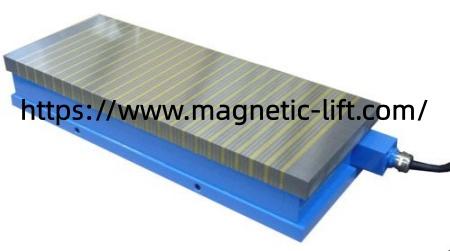
Electro Permanent Magnetic Chuck technology has become an interesting topic for manufacturers looking to improve workpiece positioning and simplify machining arrangements. As production methods continue to develop, workshops are paying greater attention to equipment that connects control technology with practical manufacturing needs. The way a component is secured can influence machining accessibility, setup procedures, operator convenience, and production organization. For purchasing teams, understanding how different clamping systems work is an important step toward selecting equipment that fits their actual applications.
One aspect worth examining is the working principle behind electrically controlled clamping technology. Unlike conventional fixtures that depend entirely on mechanical pressure, this approach uses an electrical pulse to change the internal magnetic state of the equipment. Once activated, the holding function is maintained through its internal magnet system without requiring continuous power during the machining process. Another pulse changes the state when the workpiece needs to be released. This operating principle can be useful in manufacturing environments where controlled positioning and convenient release procedures are important. Actual operating arrangements depend on the product design and its control system.
Material selection plays an important role in determining whether this technology is suitable for a particular application. Different metals have different physical and magnetic properties. Carbon steel and certain iron based materials are commonly considered for this type of workholding, while aluminum, brass, and some stainless steel grades may require alternative arrangements. Heat treatment and material composition can also influence performance. Manufacturers should identify the materials used in their production processes before selecting equipment. Providing detailed workpiece information to a supplier can help clarify application compatibility and avoid unnecessary purchasing mistakes.
Surface condition is another factor that deserves attention. Even when a component appears smooth, small imperfections can influence the contact between the workpiece and the equipment surface. Rust, oil, machining residue, burrs, and uneven areas may create gaps that affect holding conditions. Workshops should establish suitable cleaning and inspection procedures before positioning components. This is particularly relevant for businesses handling materials from different production stages, since cutting, grinding, welding, and storage can all change surface conditions. Consistent preparation helps create a more organized working process.
The internal construction of industrial equipment also deserves careful evaluation. Buyers can examine the housing, internal magnet arrangement, coil structure, pole plate, control connection, and supporting components. These elements work together to create the intended operating function. The external housing should suit the workshop environment, while the working surface should correspond with the shape and contact characteristics of the intended components. Manufacturing quality, assembly methods, and protective arrangements are also worth discussing with suppliers. These details provide a clearer picture of how a product is designed for regular industrial use.
Another interesting topic is how this technology can influence machining flexibility. Traditional mechanical fixtures may occupy space around a component, sometimes restricting access to particular surfaces. A suitable clamping platform can provide an alternative arrangement for compatible materials, allowing tools to approach different sides of a workpiece with fewer physical obstructions. This can be useful in milling, grinding, drilling, and machining center applications. However, suitability depends on component geometry, machining forces, contact conditions, and machine configuration. Buyers should discuss their actual processing tasks before deciding whether this approach fits their production line.
Operator experience is equally important. In a busy workshop, employees need to position components, activate controls, confirm the operating state, and release finished workpieces according to established procedures. A clear control interface can make these activities easier to understand. Convenient connections and an organized exterior arrangement can also support installation and routine operation. For facilities introducing automated production processes, communication between the control unit and machine system deserves additional attention. Equipment integration should be planned according to the operating procedures and safety requirements of the entire production cell.
Maintenance planning should form part of the purchasing discussion. Industrial environments often contain metal particles, coolant, dust, and other contaminants that can affect equipment surfaces. Regular cleaning and inspection help employees identify visible damage, contamination, or unusual operating conditions. The control unit, cables, connectors, and external structure should receive attention according to manufacturer instructions. Buyers should also ask about servicing arrangements, replacement components, storage recommendations, and technical assistance. A clear maintenance plan helps workshops manage equipment throughout its working life.
When comparing manufacturers, purchasing teams should consider more than catalogue images. Product construction, application guidance, customization options, control arrangements, and communication quality all influence the purchasing experience. It is useful to prepare information about the machine type, workpiece material, component shape, processing method, and production environment. This gives manufacturers a clearer understanding of the intended application and makes technical discussions more productive. Businesses with different machining requirements can also ask about alternative configurations before making a decision.
For manufacturing companies considering changes to their workholding arrangements, Kaixin offers industrial equipment options for different metal processing and workshop applications. Buyers can discuss product construction, control methods, material compatibility, and application requirements according to their production needs. To review the company profile and available product information, visit https://www.magnetic-lift.com/ and explore the solutions available for industrial manufacturing. Careful consideration of operating principles, component materials, equipment integration, and maintenance can help businesses choose an arrangement that supports their actual production processes.

 English
 Arabic
 Spanish
 Portuguese
 Deutsch
 Turkish
 Dutch
 Italiano
 Russian
 Romaian
 Portuguese (Brazil)
 Greek