


Does Fat Transfer Treatment Help Enhance Body Curves?
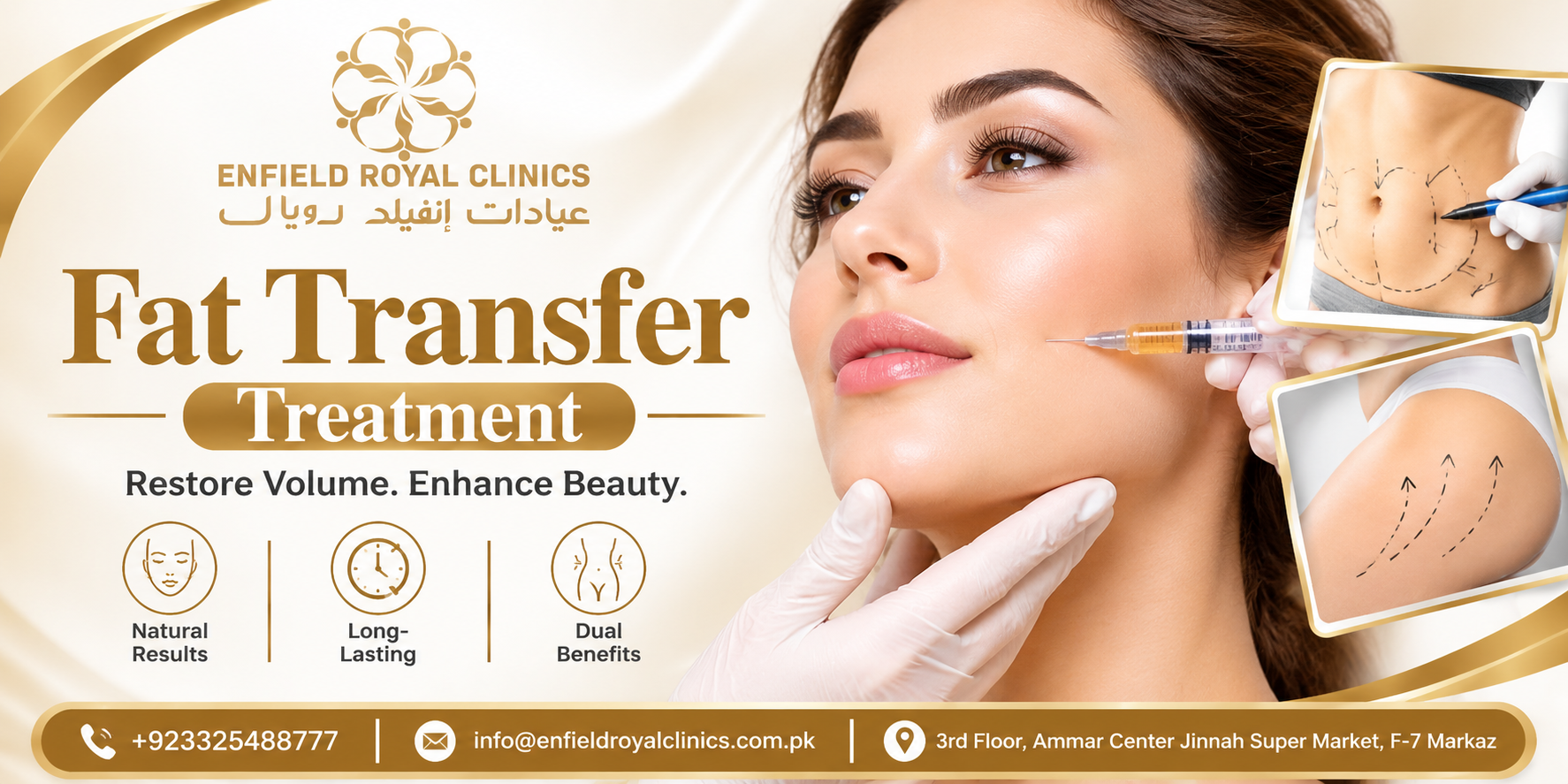
Body shape and natural curves are influenced by genetics, weight distribution, muscle structure, and lifestyle. Some individuals may feel that certain areas lack fullness, even when they maintain a healthy weight. Others may notice changes in their body contours after ageing, pregnancy, or significant weight fluctuations. For people looking to improve selected areas without using synthetic implants, fat transfer treatment may be an option worth exploring.
Fat transfer treatment uses a person's own fat to add volume to another part of the body. It combines fat removal from a donor area with careful placement into areas where additional fullness is desired. The procedure can help create smoother contours and improve body proportions when performed on suitable candidates.
People researching Fat Transfer Treatment in Islamabad often want to know whether the procedure can enhance natural curves, which areas can be treated, and how long the results may last. Understanding the process, benefits, and safety considerations can help individuals decide whether it matches their body-enhancement goals.
1. What Is Fat Transfer Treatment for Body Contouring?
Fat transfer treatment, also known as fat grafting or fat injection, is a cosmetic procedure that moves fat from one part of the body to another. It is commonly considered by individuals who want to add volume to selected areas while reducing unwanted fat deposits in a donor area.
The procedure generally involves three stages:
-
Fat harvesting: Fat is collected from areas such as the abdomen, thighs, hips, or flanks using a specialised liposuction technique.
-
Fat processing: The collected fat is carefully processed to separate suitable fat cells from excess fluids and unwanted material.
-
Fat transfer: The prepared fat is injected into the selected area in small amounts to improve fullness and shape.
The treatment is customised according to body proportions, available donor fat, and the patient's desired outcome. Rather than simply adding volume, the aim is to create balanced contours that complement the person's natural body structure.
Not all transferred fat cells survive after injection. Some are naturally absorbed during healing, while the surviving cells may establish a blood supply and provide longer-lasting volume.
2. Which Body Areas Can Fat Transfer Enhance?
Fat transfer can be used to improve selected body areas where additional fullness may create more balanced proportions. The most suitable area depends on anatomy, available donor fat, and individual treatment goals.
Hips: Some individuals have naturally narrow or uneven hip contours. Fat grafting may add fullness to selected areas and create a smoother transition between the waist and thighs.
Buttocks: Fat transfer may increase buttock volume and improve selected contour irregularities. This procedure is often called buttock fat grafting or a Brazilian butt lift. It requires particular safety precautions because serious complications, including fat embolism, can occur.
Breasts: Fat grafting may provide a modest increase in breast volume and improve certain contour irregularities. It is generally more suitable for individuals seeking subtle enhancement rather than a major increase in size.
Hands: In some cases, fat transfer can restore fullness to hands that appear hollow or thin due to ageing or volume loss.
Other contour irregularities: Selected areas may benefit from fat grafting when there is a specific indentation or unevenness that can be safely corrected.
The procedure is not suitable for every body area or every type of contour concern. A detailed assessment helps determine whether fat transfer can achieve the desired improvement.
3. How Does Fat Transfer Improve Natural Body Curves?
Body curves are influenced by the relationship between different areas, including the waist, hips, thighs, and buttocks. When one area lacks volume or has an indentation, the overall silhouette may appear less balanced.
Fat transfer can improve these proportions by adding volume where it is needed. For example, a person with hollow hip dips may benefit from carefully placed fat to soften the indentation. Similarly, adding selected volume to the buttocks may create a fuller appearance and improve the transition between the lower back and thighs.
The donor area can also contribute to the overall contour. When fat is removed from the abdomen or flanks, it may help create a more defined waistline. However, the amount of fat removed must be planned carefully to avoid irregularities or excessive tissue removal.
The final goal is not necessarily to create dramatic curves. A well-planned procedure focuses on proportion, symmetry, and a result that suits the individual's natural body shape.
4. What Are the Main Benefits of Fat Transfer for Body Enhancement?
Fat transfer offers several potential advantages for people who want to improve body contours without relying on synthetic implants.
-
Uses the patient's own fat: The procedure uses fat harvested from the individual's body.
-
Improves selected contours: It can add fullness to areas that appear hollow or lack volume.
-
Addresses two areas: Fat removal may reduce fullness in a donor area while transferred fat enhances another area.
-
Customised results: The treatment can be planned according to the person's body proportions and goals.
-
Potentially long-lasting volume: Fat cells that survive the healing process may remain for many years.
-
No implant is required: In suitable cases, the procedure can provide volume without inserting a breast or buttock implant.
Despite these advantages, fat transfer has limitations. The amount of volume that remains after healing varies, and the procedure may not provide the same degree of enhancement as an implant-based operation. Some patients may require another session to achieve their preferred result.
5. Who Is a Suitable Candidate for Body Fat Transfer?
A suitable candidate needs more than a desire for fuller curves. The procedure requires enough available donor fat and an appropriate level of overall health.
An individual may be considered suitable if they:
-
Have sufficient fat in areas such as the abdomen, thighs, or flanks.
-
Want to improve specific body contours rather than achieve major weight loss.
-
Are generally healthy and able to undergo surgery.
-
Have realistic expectations about the amount of volume that may remain.
-
Can follow recovery instructions and attend follow-up appointments.
-
Have a stable body weight.
People with very low body fat may not have enough donor material. Individuals with certain medical conditions, active infections, circulation problems, or healing concerns may need additional evaluation before treatment.
Fat transfer is not a weight-loss procedure. It is intended to refine selected contours rather than replace healthy eating, physical activity, or medically supervised weight management.
6. What Safety Considerations Should Patients Understand?
Fat transfer is a surgical procedure, so it carries risks associated with both fat harvesting and injection. Patients should understand these risks before choosing treatment.
Possible complications include:
-
Swelling, bruising, and discomfort.
-
Infection or bleeding.
-
Fat necrosis, where some transferred fat cells do not survive.
-
Lumps, firmness, or uneven contours.
-
Asymmetry between treated areas.
-
Changes in skin sensation.
-
Complications related to anaesthesia.
Buttock fat transfer requires especially careful attention to safety. Fat must be placed only in the subcutaneous tissue above the gluteal muscle. Injection into or beneath the muscle can cause fat to enter major blood vessels and lead to a potentially life-threatening fat embolism. Real-time ultrasound guidance is recommended to help confirm the location of the injection.
Patients should ask about the professional's training, experience with the specific procedure, injection technique, and safety measures. A responsible treatment plan should prioritise health and anatomical safety rather than the amount of volume added.
7. What Is Recovery Like and How Long Do Results Last?
Recovery depends on the amount of fat removed, the areas treated, and the individual's healing response. Patients may experience swelling, bruising, and tenderness in both the donor and recipient areas.
During recovery, patients may be advised to:
-
Avoid strenuous exercise until cleared to resume it.
-
Follow instructions about sitting or applying pressure if the buttocks have been treated.
-
Wear recommended compression garments when appropriate.
-
Keep treatment areas clean and follow wound-care instructions.
-
Avoid smoking and nicotine products because they can interfere with healing.
-
Attend follow-up appointments to monitor recovery.
Initial swelling gradually improves, but the final body shape takes time to assess. Some transferred fat is naturally absorbed over the following weeks and months. The fat cells that survive and establish a blood supply may provide long-lasting volume.
Maintaining a relatively stable weight can help preserve the results. Significant weight gain or loss may change the appearance of transferred fat because those cells can respond to changes in body weight.
For more information visit Enfield royal clinic in islamabad
Frequently Asked Questions (FAQs)
1. Does fat transfer treatment help create fuller body curves?
Yes. In suitable candidates, fat transfer can add volume to selected areas such as the hips or buttocks and improve overall body proportions.
2. Which areas are commonly used as fat donor sites?
The abdomen, thighs, and flanks are common donor areas. The most appropriate site depends on the amount and quality of available fat.
3. Are fat transfer results permanent?
Some transferred fat is absorbed during healing. Fat cells that survive and establish a blood supply may remain for years, although ageing and weight changes can affect the results.
4. Is fat transfer better than implants for body enhancement?
Neither option is best for everyone. Fat transfer uses the patient's own tissue and may provide more subtle enhancement, while implants can offer a more predictable increase in volume. The right choice depends on individual goals and medical suitability.
5. How long does recovery take after body fat transfer?
Initial swelling and bruising generally improve over several weeks, but complete healing and assessment of the final contour may take several months. Recovery also depends on the treated areas.
6. Is buttock fat transfer completely safe?
No surgical procedure is completely risk-free. Buttock fat transfer carries a risk of serious complications, including fat embolism. Strict subcutaneous injection technique and real-time ultrasound guidance are important safety measures.
Conclusion
Fat transfer treatment can help enhance body curves by moving a person's own fat from areas with excess deposits to areas that need additional fullness. It may improve hip contours, add modest buttock or breast volume, and create smoother body proportions in carefully selected individuals.
For those considering Fat Transfer Treatment in Islamabad, understanding the benefits, limitations, safety requirements, and recovery process is essential. A personalised assessment by a qualified professional can help determine whether the procedure is suitable and what results are realistically achievable. The best approach is one that improves natural proportions while keeping patient safety at the centre of every decision.

 English
 Arabic
 French
 Spanish
 Portuguese
 Deutsch
 Dutch
 Italiano
 Russian
 Romaian
 Portuguese (Brazil)
 Greek