


How Can Buyers Plan Orders With ballvalveballs Early?
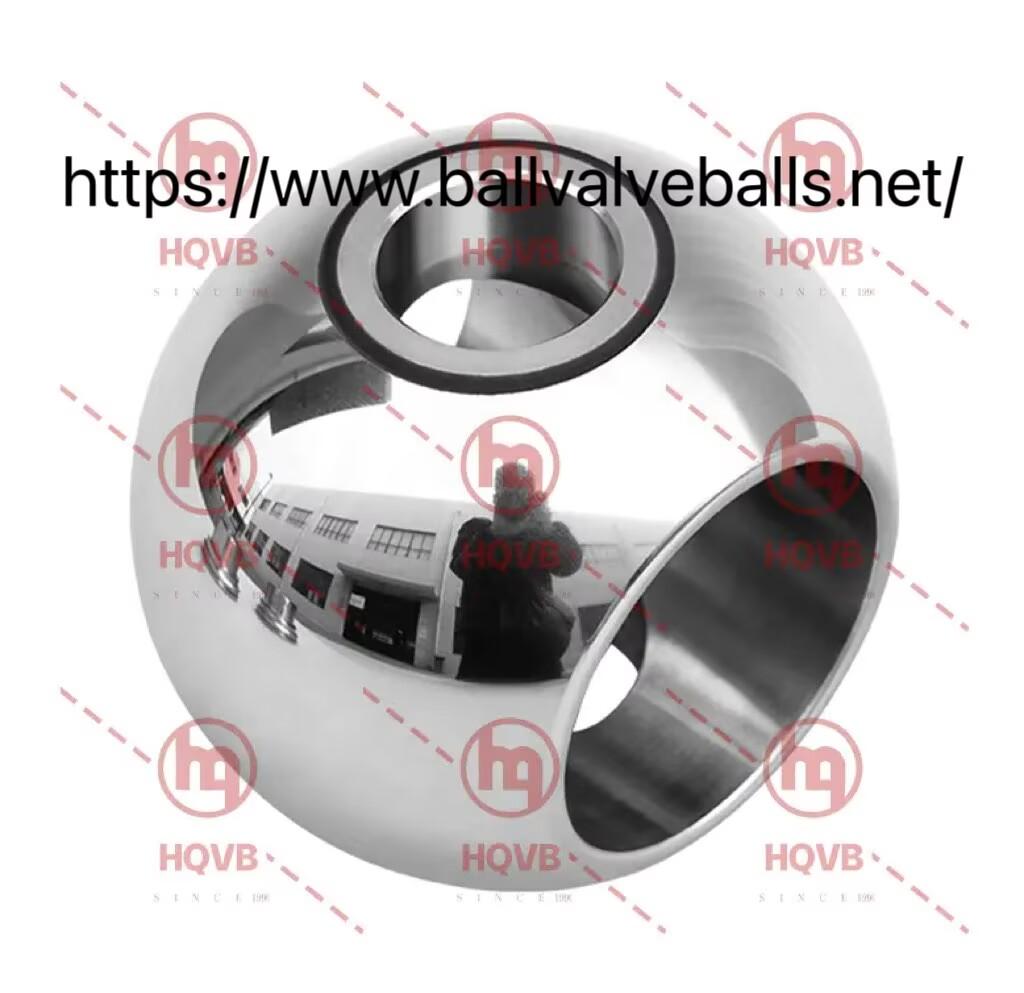
Ball Valve Ball purchasing involves more than confirming a product size and comparing quotations. Buyers also need to understand how a component is manufactured, inspected, and prepared for delivery. A structured review can help identify potential problems before shipment, clarify technical responsibilities, and make communication between the purchasing team and manufacturer more efficient.
Check Whether the Supplier Understands Your Application
Begin by discussing the actual working conditions. A manufacturer needs to know the intended medium, operating temperature, pressure range, and expected service conditions before reviewing the production requirements.
Different applications may involve water, oil, gas, chemical media, or fluids containing solid particles. These conditions can influence material selection, surface treatment, and the design of the contact area.
Ask the supplier how the proposed specifications relate to your application. If your engineering team has already selected a material grade or surface treatment, provide those requirements in writing. If the selection is still open, explain the operating environment and request a technical discussion.
This conversation helps both sides establish a common understanding before production planning begins.
Verify Raw Material Information Before Machining
Raw material inspection is an important part of manufacturing control. Buyers should ask how incoming materials are identified and checked against the purchase specifications.
Relevant information may include material grade, chemical composition, mechanical properties, supplier documentation, and batch identification. For projects with traceability requirements, confirm whether material records can be linked to the finished products.
It is also useful to ask how materials are stored and separated before processing. Clear identification procedures can help reduce the possibility of mixing different grades during production.
For repeat orders, buyers should confirm whether material substitutions require written approval. This is particularly important when the original specification is linked to a particular operating environment or engineering requirement.
Review Critical Dimensions During Production
A final inspection report is useful, but buyers should also understand how dimensional accuracy is monitored during machining. Important features may include outside diameter, bore dimensions, port geometry, stem connection, and other design-specific details.
Ask the manufacturer which measurements are treated as critical and how they are checked. Depending on the part design, inspection may involve calibrated measuring instruments, gauges, coordinate measuring equipment, or other suitable methods.
The approved drawing should identify tolerances and reference points clearly. Buyers should also confirm that the inspection team is using the correct drawing revision.
For customized orders, an agreed inspection plan can specify which dimensions require individual measurement and which can follow an agreed sampling arrangement. This makes acceptance requirements easier to understand before the order is completed.
Examine Surface Condition and Contact Areas
Surface condition deserves particular attention when a component works with a matching seat. Scratches, uneven finishing, burrs, or inconsistent surface treatment may affect assembly and contact behavior.
Buyers should ask which finishing processes are used and whether surface requirements are recorded in the technical specification. Depending on the design, machining, grinding, polishing, or coating may be involved.
Visual inspection can identify obvious surface defects, while roughness measurement may be needed when the drawing specifies a numerical value. These checks should focus on the areas that have a functional role rather than relying only on general appearance.
It is also worth confirming how finished products are protected between processing stages. Proper handling and separation can help prevent damage after machining and finishing have been completed.
Request Evidence That Matches the Purchase Specification
Quality documents should correspond to the actual order instead of relying on general company statements. Before production starts, agree on which records will be supplied and what they need to demonstrate.
Depending on the project, buyers may request:
Material certificates or batch identification records
Dimensional inspection reports
Surface roughness measurements
Coating or finishing records
Photographs of inspection results
Approved sample or drawing records
Not every order requires every document. The appropriate inspection scope depends on the product design, application, and purchasing agreement.
Buyers should also clarify how deviations are handled. If a measured feature falls outside the agreed tolerance, the manufacturer should communicate the issue and obtain approval for any proposed disposition before proceeding.
Arrange Sample Evaluation Before Larger Orders
For a new design or a modified component, sample evaluation can provide useful information before a larger quantity is released. Buyers should agree on the sample quantity, inspection criteria, and feedback process.
The sample should be checked against the approved drawing. Where practical, it can also be evaluated in the intended assembly to confirm dimensions, connection details, and fitting conditions.
Feedback should be specific. Instead of saying that a sample does not fit, provide the measured dimension, marked drawing, or photograph showing the relevant area. This gives the production team a clear reference for reviewing adjustments.
Once the sample is approved, document the accepted revision so that subsequent production follows the same agreed requirements.
Confirm Packaging and Shipment Inspection
The condition of a finished product must be maintained during storage and transportation. Buyers should discuss packaging materials, individual protection, labeling, and carton quantities before the order is dispatched.
Machined surfaces may require protective separation to reduce scratches caused by contact during handling. Packaging labels can also include part numbers, order references, batch details, or other information needed for warehouse receiving.
Before shipment, confirm the agreed quantity and review the required inspection documents. If photographs or a packing list are part of the purchase agreement, clarify when they will be provided.At ballvalveballs, buyers can discuss material requirements, machining details, inspection arrangements, and customized production needs with the manufacturing team. A clear review process helps connect technical expectations with production and delivery planning. To view product information or discuss an upcoming project, visit https://www.ballvalveballs.net/

 English
 Arabic
 Spanish
 Portuguese
 Deutsch
 Turkish
 Dutch
 Italiano
 Russian
 Romaian
 Portuguese (Brazil)
 Greek