


Can Eyelid Surgery Be Considered When Drooping Affects Peripheral Vision?
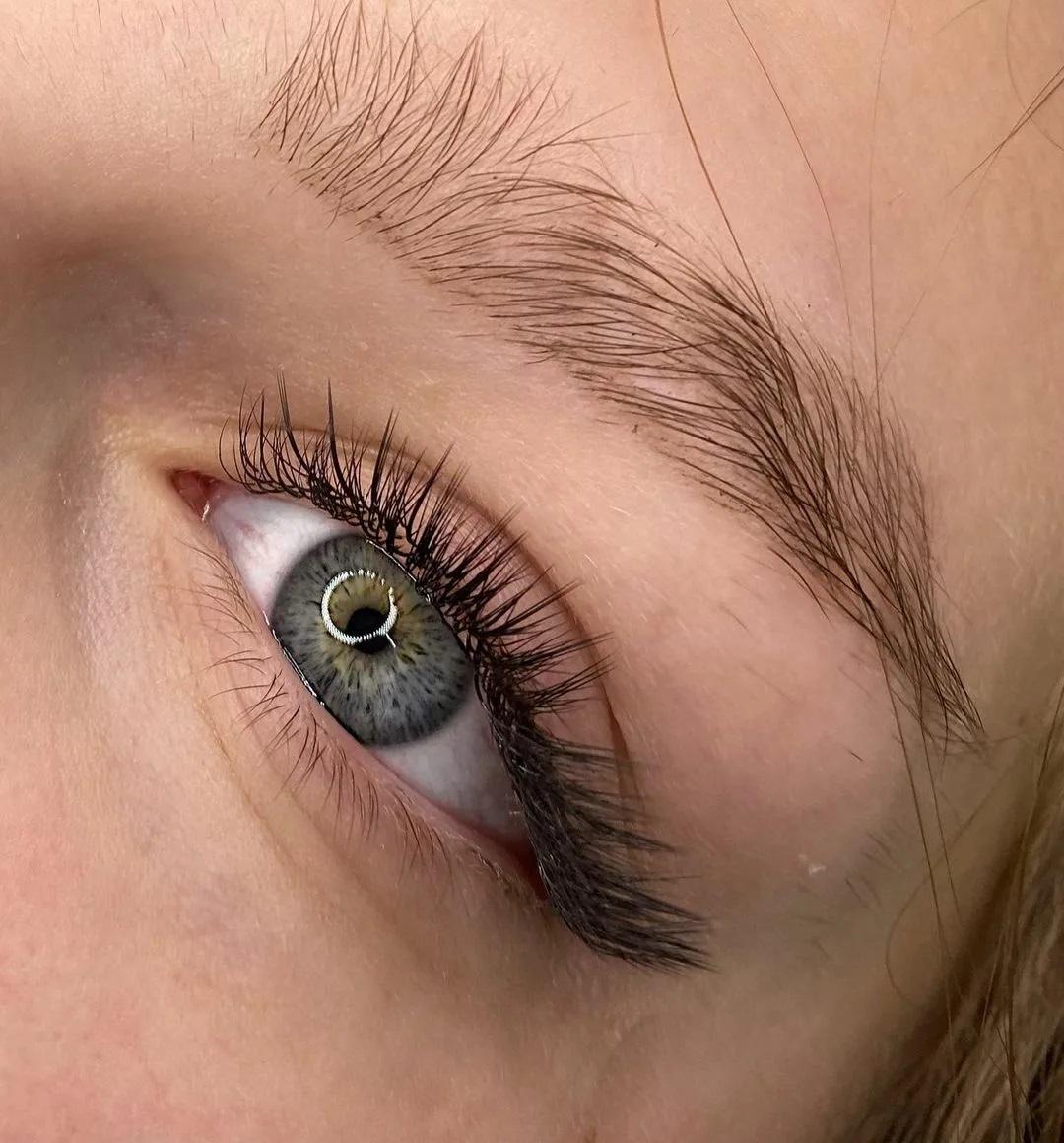
When the upper eyelids begin to droop, the change is not always limited to appearance. Some people gradually notice that objects approaching from the side are harder to see, particularly when looking straight ahead. They may find themselves raising their eyebrows or tilting their heads to get a clearer view. In such cases, Eyelid Surgery in Islamabad may be worth considering, especially when excess eyelid skin or a low-positioned eyelid is interfering with the visual field.
This condition can affect everyday activities, including reading, driving, and moving around safely. However, not every form of eyelid drooping requires surgery. The first step is to identify whether the problem comes from loose skin, true eyelid ptosis, or another underlying issue.
How Can Drooping Eyelids Affect Peripheral Vision?
Peripheral vision allows us to notice objects and movement outside our direct line of sight. It is particularly useful when walking, driving, or recognising something approaching from either side.
When the upper eyelids become excessively heavy, loose skin may hang over the eyelashes and partially cover the upper part of the visual field. In more advanced cases, the obstruction can extend towards the outer areas of vision.
Some patients do not immediately realise that their eyelids are responsible. They may assume their eyesight is getting weaker or that they simply feel tired.
When excess eyelid tissue physically blocks the line of sight, it can become a functional concern rather than just a cosmetic one.
What Causes Eyelid Drooping?
There are several reasons why the upper eyelids may begin to cover more of the eyes. Ageing is a common factor because the skin gradually loses elasticity, while the tissues supporting the eyelids may become weaker.
One common condition is dermatochalasis, which refers to excess, loose skin around the eyelids. The folds can become heavy enough to rest over the eyelashes and interfere with vision.
Another cause is ptosis. Unlike dermatochalasis, ptosis involves the eyelid margin itself sitting too low, often because of weakness or stretching of the levator muscle or its tendon.
Although both conditions can create a similar appearance, they do not always require the same operation. A proper examination helps identify which structure is causing the obstruction.
Can Eyelid Surgery Improve Peripheral Vision?
Yes, surgery may improve the visual field when drooping eyelids or excess skin are physically obstructing vision. In suitable patients, removing carefully measured amounts of excess skin or correcting the eyelid position can create more space above the eye.
Upper blepharoplasty is commonly used when dermatochalasis is responsible for the obstruction. If the eyelid itself is drooping because of ptosis, a separate procedure to improve the eyelid-lifting mechanism may be necessary.
The expected improvement depends on the extent of obstruction and the condition causing it. The purpose of functional eyelid surgery is to improve vision while maintaining comfortable eyelid movement and closure.
How Do Surgeons Confirm That Vision Is Being Affected?
A surgeon does not decide on functional eyelid surgery simply by looking at photographs or measuring how much skin is hanging over the eyes. The assessment usually includes a detailed examination of the eyelids and their effect on the patient's visual field.
One useful investigation is visual field testing. This evaluates how much a person can see in different directions, including the upper and outer portions of their vision.
In selected cases, testing may be performed with the eyelids in their natural position and then with the excess skin gently lifted. Comparing the results can help demonstrate whether eyelid obstruction is affecting vision.
The surgeon also checks eyelid height, eyebrow position, muscle function, and the patient's ability to close the eyes.
Objective measurements help distinguish a genuine functional problem from a concern that is mainly cosmetic.
What Symptoms Should Patients Look Out For?
Eyelid-related visual obstruction usually develops gradually, so patients may adjust their habits without recognising the underlying reason. Paying attention to these small changes can help identify the problem earlier.
Common signs that deserve assessment include:
-
Reduced upper peripheral vision: Objects or movement above and towards the sides may become harder to notice.
-
Frequent eyebrow lifting: The forehead muscles may work harder to keep the eyes open.
-
Head tilting: Some patients raise their chin or adjust their head position to see more comfortably.
-
Heavy eyelids: The upper eyelids may feel tired, particularly towards the end of the day.
-
Difficulty with daily activities: Reading, driving, or using a screen may become uncomfortable because of the restricted visual field.
-
Uneven vision obstruction: One eyelid may hang lower than the other and affect one side more noticeably.
These symptoms do not automatically mean surgery is required, but they are good reasons to arrange a professional assessment.
What Type of Surgery May Be Recommended?
The appropriate operation depends on the cause of the drooping. If excess skin is the main problem, upper blepharoplasty may be recommended to remove the tissue responsible for covering the eyelid.
When true ptosis is present, the surgeon may recommend ptosis repair. This procedure adjusts the structures responsible for lifting the upper eyelid, often involving the levator muscle or its tendon.
Some patients have both excess skin and ptosis. In such cases, combining the procedures may be considered if the examination supports that approach.
Removing skin alone will not necessarily correct a weak eyelid-lifting muscle. Choosing the right procedure is essential for addressing the actual cause of visual obstruction.
What Happens During Eyelid Surgery in Islamabad?
Before surgery, the surgeon reviews the patient's medical history, examines the eyelids, and discusses the expected functional and cosmetic improvements. The surgical plan is based on the amount of obstruction, eyelid anatomy, and whether additional correction is needed.
During Eyelid Surgery in Islamabad, the procedure may involve carefully removing excess skin, adjusting underlying tissue, or repairing the eyelid-lifting mechanism. Incisions for upper blepharoplasty are generally placed within the natural eyelid crease where appropriate.
The operation is commonly performed under local anaesthesia with sedation or general anaesthesia, depending on the procedure and the patient's circumstances. The surgeon explains the recommended approach before treatment.
The goal is to improve the field of vision without removing excessive tissue or affecting normal eyelid closure.
Is Functional Eyelid Surgery Different From Cosmetic Blepharoplasty?
The surgical techniques can overlap, but the main purpose is different. Cosmetic blepharoplasty focuses primarily on improving the appearance of loose or heavy eyelids.
Functional eyelid surgery is considered when the eyelids interfere with vision or normal daily activities. In these cases, the surgeon evaluates the degree of obstruction and may recommend visual field testing or other documentation.
Functional surgery may have specific medical and insurance requirements depending on the country and provider. Patients in Pakistan should discuss the medical indication, procedure costs, and any documentation requirements directly with their clinic.
The important distinction is whether the surgery is addressing a functional problem, an aesthetic concern, or both.
Recovery and Expected Results
After upper eyelid surgery, patients may experience temporary swelling, bruising, tightness, and mild discomfort. These effects generally improve as healing progresses.
Patients are advised to follow their surgeon's instructions, avoid rubbing the eyes, and limit strenuous activities until they receive medical clearance. Follow-up appointments allow the surgeon to monitor healing, eyelid position, and closure.
Although many suitable patients experience improvement in their visual field, results depend on the original cause and severity of obstruction. Possible complications include infection, bleeding, asymmetry, dry eyes, scarring, and difficulty closing the eyelids.
A successful outcome should improve vision without compromising eye protection or natural movement.
When Should Drooping Eyelids Be Checked Urgently?
Gradually developing eyelid drooping can be associated with ageing or changes in the eyelid tissues. However, sudden drooping should never automatically be treated as a cosmetic concern.
A sudden change, especially when accompanied by double vision, unequal pupils, severe headache, facial weakness, or other neurological symptoms, requires urgent medical assessment. Such symptoms may indicate a problem unrelated to ordinary excess eyelid skin.
Medical causes should be ruled out before considering elective eyelid surgery.
Final Thoughts
Eyelid surgery may be considered when excess skin or true eyelid drooping interferes with peripheral vision. The appropriate treatment depends on whether the problem involves loose skin, a weak eyelid-lifting muscle, or both. A detailed examination and, when indicated, visual field testing help determine whether surgery is likely to provide functional improvement.
For patients considering Eyelid Surgery in Islamabad, Dynamic Clinic PK offers personalised guidance based on eyelid anatomy, visual concerns, and individual treatment needs. Its expertise, board-certified surgeons, and advanced surgical techniques help patients explore suitable options for improving eyelid function while maintaining a natural appearance.

 English
 French
 Spanish
 Portuguese
 Deutsch
 Turkish
 Dutch
 Italiano
 Russian
 Romaian
 Portuguese (Brazil)
 Greek