


Is Dental Veneers Treatment Safe for Everyone?
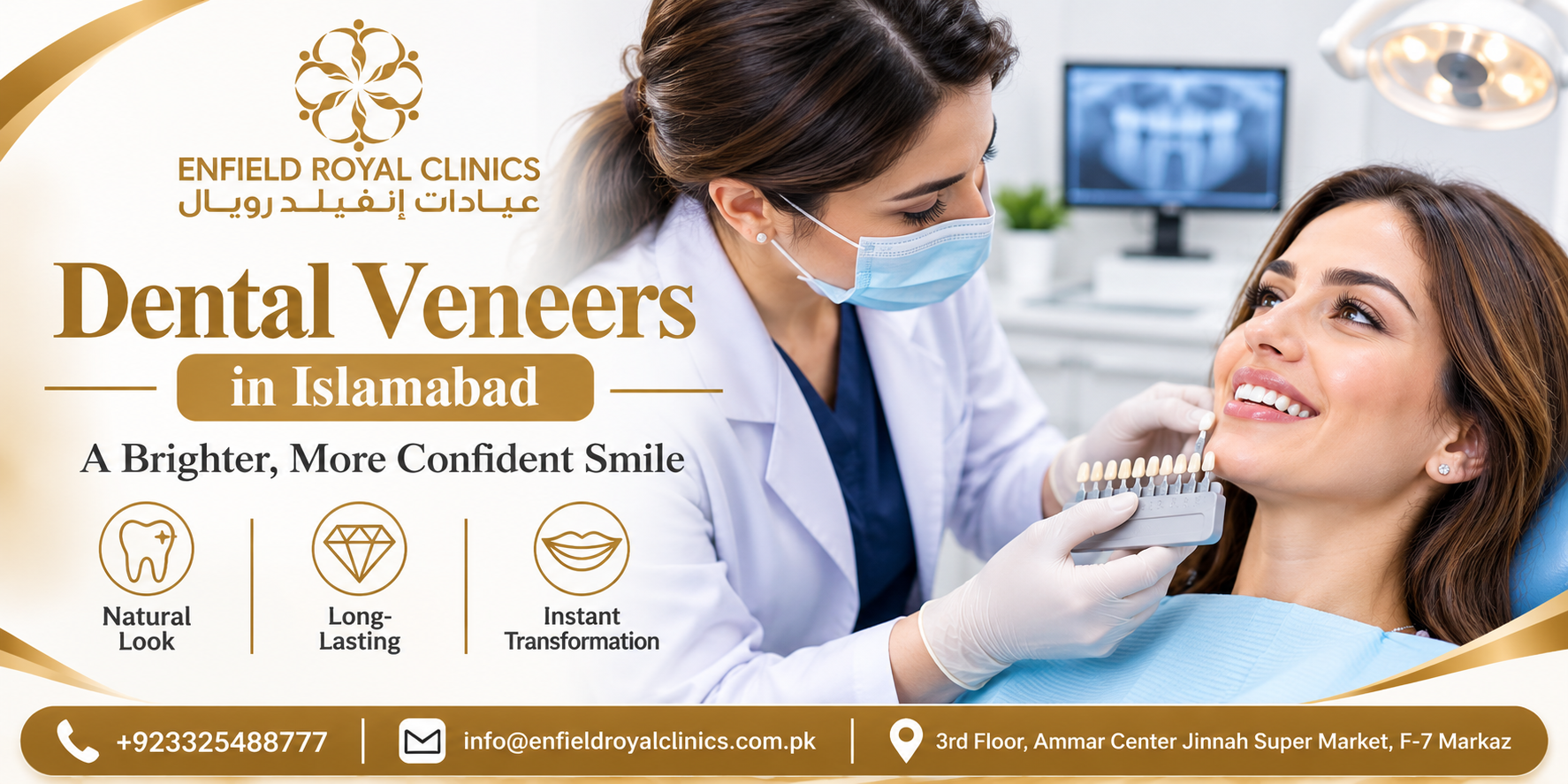
Dental veneers are a popular cosmetic dental solution for improving the appearance of teeth. They can help cover stains, close small gaps, correct uneven edges, and create a more balanced smile. With their ability to provide natural-looking results, veneers have become an attractive option for people who want to enhance their smiles without undergoing extensive dental procedures.
However, dental veneers are not suitable for everyone. Although they are generally considered safe when properly planned and placed, their suitability depends on several factors, including tooth health, gum condition, enamel thickness, oral hygiene, and individual dental needs. Anyone considering Dental Veneers in islamabad should understand the benefits, possible limitations, and factors that influence treatment safety before making a decision.
What Makes Dental Veneers a Safe Dental Treatment?
Dental veneers are thin coverings placed over the front surfaces of teeth to improve their appearance. They are commonly made from porcelain or composite resin. Both materials are designed to blend with natural teeth, although they differ in durability, appearance, and maintenance requirements.
Veneers are generally safe when the teeth and gums are healthy and the treatment is performed after a proper dental assessment. The procedure is carefully planned to ensure that the veneers fit comfortably, support normal biting, and look natural.
Porcelain veneers are known for their strength and stain resistance, while composite veneers can offer a more conservative and sometimes reversible approach, depending on the preparation involved. The safest option depends on the patient's dental condition rather than the material alone.
A suitable candidate should have realistic expectations and understand that some veneer procedures require removing a small amount of natural enamel. This makes professional assessment especially important before treatment begins.
Who Is a Good Candidate for Dental Veneers?
Dental veneers may be appropriate for individuals who want to improve specific cosmetic concerns while maintaining healthy teeth and gums. They are often considered for people experiencing:
-
Deep tooth discoloration that does not respond well to whitening.
-
Small gaps between front teeth.
-
Slightly uneven or irregular tooth shapes.
-
Minor chips or worn tooth edges.
-
Mild alignment concerns that affect smile appearance.
-
Teeth that appear too short or have an uneven appearance.
People with healthy oral tissues and sufficient enamel are generally better candidates. Their teeth should also have enough strength to support the veneers.
For individuals exploring Dental Veneers in islamabad, a dental evaluation can help determine whether veneers are suitable or whether another treatment would provide a safer and more effective result. For example, orthodontic treatment may be more appropriate for significant tooth misalignment, while professional whitening may be enough for certain types of discoloration.
When Are Dental Veneers Not Recommended?
Although veneers can improve many cosmetic concerns, some dental conditions may make the treatment unsuitable or require attention first. Placing veneers over unhealthy teeth without addressing the underlying problem can lead to discomfort, damage, or treatment failure.
Common situations in which veneers may not be recommended include:
Untreated tooth decay: Cavities should be treated before cosmetic dental work. Covering a tooth with decay does not solve the problem and may allow it to progress.
Gum disease: Inflamed, bleeding, or infected gums can affect veneer placement and long-term stability. Gum health should be restored before considering cosmetic treatment.
Severe tooth damage: Teeth with extensive structural damage may require crowns or other restorative procedures instead of veneers.
Insufficient enamel: Traditional porcelain veneers often require a suitable enamel surface for reliable bonding. Teeth with very little remaining enamel may not be appropriate candidates.
Severe teeth grinding: People who regularly clench or grind their teeth may place excessive pressure on veneers. This can increase the risk of cracks, chips, or detachment.
Major bite problems: Significant bite misalignment can place uneven pressure on veneers. Orthodontic or other corrective treatment may be needed before cosmetic enhancement.
These conditions do not always mean veneers are permanently impossible. In some cases, treating the underlying issue can make a person eligible later.
What Factors Affect the Safety of Dental Veneers?
Several factors influence how safely veneers can be placed and how well they perform over time. A proper consultation helps identify these considerations before treatment.
Tooth and enamel condition: Healthy enamel provides an important bonding surface. If the enamel is weak, damaged, or insufficient, the dental professional may recommend another option.
Gum health: Healthy gums help maintain the appearance and comfort of veneers. Existing gum inflammation or infection should be addressed first.
Bite alignment: The way the upper and lower teeth meet affects how pressure is distributed during chewing. A poor bite can increase stress on veneer edges.
Material selection: Porcelain and composite resin have different properties. The choice should reflect the patient's needs, oral habits, and the condition of the teeth.
Treatment planning: Proper measurements, tooth preparation, and accurate fitting help reduce the risk of discomfort and complications.
Oral hygiene: Daily brushing, flossing, and routine dental visits help protect the natural teeth and gums around veneers.
When considering Dental Veneers in islamabad, patients should discuss these factors during consultation instead of choosing treatment based only on appearance.
Can Dental Veneers Cause Side Effects or Complications?
Dental veneers are usually well tolerated, but like other dental procedures, they may involve some risks. Understanding these possibilities helps patients make informed decisions.
Temporary tooth sensitivity is one of the more common concerns. Some individuals notice sensitivity to hot or cold foods after enamel preparation or veneer placement. This often improves over time, although persistent sensitivity should be assessed.
Other possible complications include:
-
Chipping or cracking: Veneers can become damaged through hard biting, accidents, or teeth grinding.
-
Loose or detached veneers: Bonding problems or excessive pressure may cause a veneer to come away from the tooth.
-
Gum irritation: Poorly fitted edges or plaque accumulation may contribute to gum inflammation.
-
Color differences: The natural teeth around veneers may change shade over time, while porcelain veneers are relatively resistant to staining.
-
Tooth decay: Veneers do not protect the entire tooth. Decay can still develop around uncovered areas if oral hygiene is poor.
Some traditional veneer procedures involve permanent enamel removal, meaning the treatment is not fully reversible. Patients should understand this before agreeing to preparation.
Choosing an appropriate treatment plan and following aftercare instructions can help reduce these risks.
How Can Patients Maintain Safe and Long-Lasting Veneers?
Good oral hygiene is essential for protecting veneers and the natural teeth underneath them. Although veneers cover the front surface of teeth, the surrounding enamel, gums, and exposed tooth areas still require regular care.
Patients should brush twice daily using a soft-bristled toothbrush and fluoride toothpaste. Daily flossing helps remove food particles and plaque from between the teeth and near the gumline.
Certain habits should also be avoided. Biting fingernails, chewing ice, opening packaging with teeth, or regularly biting very hard objects can damage veneers. People who grind their teeth may benefit from a custom night guard if recommended after dental assessment.
Regular dental checkups allow the dental professional to examine veneer edges, gum health, bite alignment, and the condition of the underlying teeth. Any unusual sensitivity, movement, discomfort, or visible damage should be evaluated rather than ignored.
People considering Dental Veneers in islamabad should also ask about maintenance requirements and the expected lifespan of their chosen veneer material. Proper care can support long-term results, but veneers may eventually need repair or replacement.
Frequently Asked Questions
1. Are dental veneers safe for healthy teeth?
Yes, dental veneers are generally safe for suitable candidates with healthy teeth and gums. However, traditional veneer preparation may involve removing some enamel, so the decision should follow a thorough dental assessment.
2. Can people with sensitive teeth get dental veneers?
Some people with sensitive teeth may still qualify, but the cause of sensitivity should be identified first. A dental professional can determine whether veneers are appropriate or whether another treatment is safer.
3. Are dental veneers permanent?
Veneers can last for many years, but they are not necessarily permanent. Porcelain and composite veneers may eventually require repair or replacement. Traditional veneers are often irreversible because enamel is removed during preparation.
4. Can dental veneers damage natural teeth?
Properly planned veneers do not usually damage healthy teeth. However, excessive preparation, poor fitting, untreated decay, or inadequate oral hygiene can contribute to complications.
5. Are veneers suitable for people who grind their teeth?
They may be less suitable for people with uncontrolled teeth grinding because repeated pressure can cause cracks or detachment. A night guard or alternative treatment may be recommended.
6. What is the safest type of dental veneer?
There is no single safest option for everyone. Porcelain, composite, and minimal-preparation veneers have different advantages and limitations. The most suitable choice depends on enamel condition, bite alignment, oral health, and cosmetic goals.
Conclusion
Dental veneers can be a safe and effective way to improve smile appearance when the teeth and gums are healthy and the procedure is properly planned. However, they are not suitable for everyone. Tooth decay, gum disease, insufficient enamel, severe grinding, and major bite problems may require attention before treatment.
Anyone considering Dental Veneers in islamabad should prioritize oral health over cosmetic results. A detailed dental examination, suitable material selection, realistic expectations, and consistent aftercare can help patients achieve a comfortable and natural-looking smile while reducing the risk of complications.

 English
 Arabic
 French
 Portuguese
 Deutsch
 Turkish
 Dutch
 Italiano
 Russian
 Romaian
 Portuguese (Brazil)
 Greek