


Which Speed Hump Features Matter for Different Road Sites?
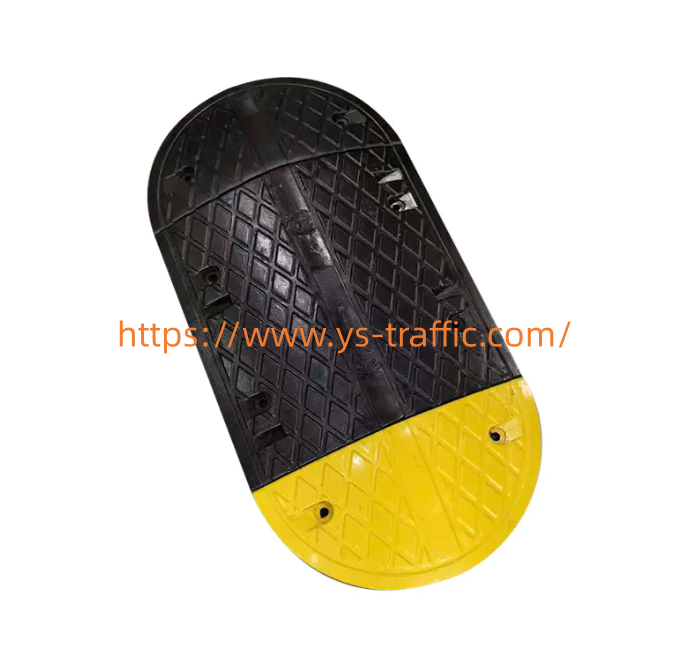
Speed Hump selection involves more than comparing product prices or choosing a familiar appearance. For importers, distributors, contractors, and project purchasers, the decision should begin with the intended application. Road conditions, vehicle types, installation methods, and local requirements all influence which configuration is appropriate. A clear evaluation before ordering can help buyers communicate specifications accurately and reduce problems during delivery and installation.
Start with the Intended Application
Before contacting a manufacturer, identify where the product will be installed and what traffic conditions it needs to address. Residential communities, parking facilities, private roads, factory entrances, and commercial properties may have different requirements.
Consider the expected vehicle flow and the types of vehicles using the area. Passenger cars, delivery vans, buses, and heavy vehicles place different demands on traffic-calming equipment. Buyers should also consider whether the installation is intended for a short access lane, a parking entrance, or a longer road section.
These details help manufacturers recommend a suitable configuration. Providing photographs, site measurements, and a brief description of the project can make the initial discussion more productive.
Review Dimensions and Structural Design
Dimensions influence how vehicles interact with a raised road feature. Height, width, length, and profile should be evaluated together rather than treated as separate purchasing details.
A design that is too high or has an unsuitable approach profile may create unnecessary discomfort or interfere with certain vehicles. A configuration with a more gradual profile may be appropriate for locations where vehicles pass regularly. Buyers should therefore confirm the actual measurements and product drawings before approving an order.
It is also useful to ask whether the manufacturer offers modular sections, end pieces, or different length combinations. These options may help purchasers plan installations across sites with different road widths. Do not rely on a product photograph alone; request dimensional drawings that show the complete assembly.
Examine Material and Outdoor Performance
Material selection affects product weight, flexibility, handling, and maintenance requirements. Rubber products are commonly considered for outdoor traffic-management applications because their physical properties can suit a range of installation environments.
However, buyers should not assume that every rubber formulation performs in the same way. Ask the supplier about the material composition, hardness, manufacturing process, and available quality inspection records. If the installation will be exposed to sunlight, rain, temperature changes, oil, or frequent vehicle contact, explain these conditions when requesting a recommendation.
Color stability and surface condition are also worth discussing. Buyers may request information about the available color combinations and reflective elements, especially when the product will be installed in areas with limited lighting.
Check Visibility and Installation Details
Visibility is an important part of site planning. Contrasting colors and reflective components can help drivers recognize a raised feature, particularly at night or in poorly lit areas. Purchasers should confirm which visual options are available and whether they are included in the standard configuration or supplied separately.
Installation requirements deserve equal attention. Ask which fixing accessories are provided, what surface types are suitable, and whether the installation requires drilling or other preparation. Concrete and asphalt surfaces may require different fixing considerations. Buyers should also confirm whether the product can be installed in separate sections and how the joints are connected.
Drainage should not be overlooked. The installation layout must allow existing water flow to continue without creating avoidable pooling. For public-road applications, placement, warning signs, markings, and dimensions should be reviewed against the relevant local traffic and road-design requirements before work begins.
Evaluate Manufacturing and Quality Control
A dependable purchasing process requires more than a quotation. Buyers should understand how the supplier manages production, inspection, and order consistency.
Ask whether incoming materials are checked and whether finished products undergo dimensional and appearance inspections. For larger orders, confirm how the manufacturer maintains consistent specifications between production batches. Inspection photographs, sample approvals, and documented requirements can help both parties work from the same expectations.
Purchasers should also clarify the procedure for handling products that do not match the approved specifications. Discussing inspection arrangements before production begins can reduce misunderstandings during acceptance.
For distributors and wholesalers, packaging deserves attention as well. Confirm the number of units per package, carton dimensions, product protection, labeling, and loading arrangements. These details influence warehouse planning, transport costs, and the condition of goods when they reach the destination.
Compare the Complete Order Requirements
A quotation should provide enough information for a meaningful comparison. Buyers can review unit pricing alongside material specifications, dimensions, accessories, packaging, minimum order quantities, production schedules, and shipping arrangements.
If customization is required, describe the requested changes in writing. This may include dimensions, colors, reflective components, logos, packaging, or other project-related details. Ask the manufacturer to confirm which options are available and whether they affect production time or cost.
Samples can also support the evaluation process. Where practical, review a sample before confirming a larger order. Check its dimensions, surface finish, color, weight, and fixing details against the intended application. Keep the approved sample or specification record as a reference for subsequent orders.
Build a Clear Communication Process with the Manufacturer
Good supplier communication begins with complete project information. Share the destination market, application location, estimated quantity, preferred specifications, and expected delivery schedule. This gives the production team a clearer basis for preparing a quotation and discussing technical details.
At ys-traffic, buyers can discuss product configurations, available options, order quantities, and packaging requirements before confirming a purchase. Providing clear drawings or site photographs can help the team understand the intended application and respond to specific questions. Buyers can also confirm production arrangements and shipping details during the order process.Before placing an order, make sure the quotation, approved specifications, sample details, and delivery terms are consistent. This final review helps both sides understand what will be supplied and how the order will be handled. For product information and purchasing inquiries, visit https://www.ys-traffic.com/ and contact the team with your project requirements.

 English
 Arabic
 French
 Spanish
 Portuguese
 Deutsch
 Turkish
 Dutch
 Italiano
 Romaian
 Portuguese (Brazil)
 Greek