


What Are the Best Ways to Treat Dental Implant Infection?
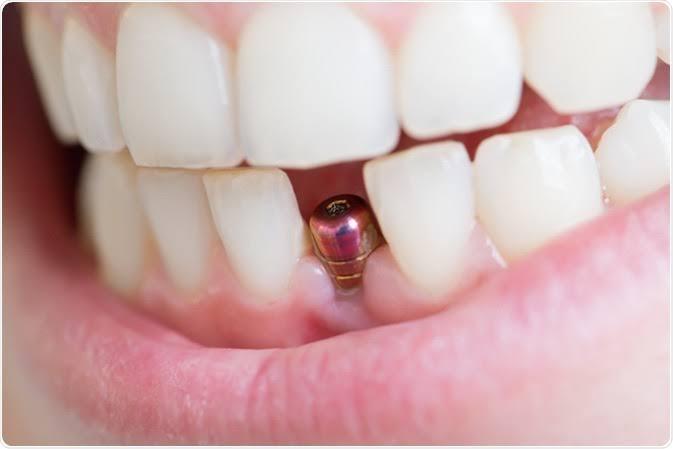
What Is a Dental Implant Infection?
A dental implant infection occurs when harmful bacteria accumulate around the implant, causing inflammation and damage to the surrounding tissues. This condition is commonly associated with peri-implant diseases, which can affect the gums and supporting bone.
Infections may develop shortly after implant surgery or several months and years later. Poor oral hygiene, smoking, uncontrolled medical conditions, and existing gum disease can increase the risk.
There are two common conditions associated with implant infections:
Peri-Implant Mucositis
Peri-implant mucositis is an early stage of inflammation affecting the soft tissues surrounding a dental implant. The gums may become red, swollen, and sensitive, sometimes bleeding during brushing.
The good news is that this condition is generally reversible with professional cleaning and improved oral hygiene.
Peri-Implantitis
Peri-implantitis is a more advanced condition involving inflammation and progressive bone loss around the implant. If left untreated, it can weaken the implant's support and eventually lead to implant failure.
Early diagnosis is essential to prevent further complications.
What Are the Common Signs of an Infected Dental Implant?
Recognizing the symptoms of infection is important for protecting your oral health. While some discomfort is expected after implant placement, certain warning signs may indicate an underlying problem.
1. Persistent Pain and Discomfort
Mild soreness is normal during the initial healing period. However, pain that becomes worse, returns after disappearing, or continues for an extended period may indicate infection.
You may experience discomfort while chewing, touching the implant area, or applying pressure to the surrounding gums.
2. Swollen or Red Gums
Healthy gums around a dental implant should generally appear firm and pink. If the surrounding tissue becomes unusually red, swollen, or tender, inflammation may be developing.
Persistent swelling, particularly when accompanied by other symptoms, should be examined by a dentist.
3. Bleeding Around the Implant
Occasional bleeding during brushing may indicate irritation, but repeated bleeding around an implant can be a warning sign of gum inflammation.
Pay attention if the area bleeds during routine cleaning or when eating.
4. Pus or Unusual Discharge
One of the more concerning signs of infection is pus around the implant. You might notice yellowish or whitish discharge coming from the gum tissue.
This may also be accompanied by an unpleasant taste or odor in the mouth. Contact a dental professional promptly if you notice these symptoms.
5. Implant Movement or Looseness
A properly integrated dental implant should remain stable. If the implant or its attached restoration feels loose, it may indicate a mechanical problem or loss of supporting bone.
Never attempt to tighten or adjust it yourself. Arrange a dental examination as soon as possible.
What Causes Dental Implant Infections?
Several factors can contribute to bacterial infection around dental implants.
-
Poor oral hygiene: Inadequate brushing and flossing allow bacteria and plaque to accumulate around the implant.
-
Smoking: Tobacco use can interfere with healing and reduce healthy blood circulation in gum tissues.
-
Previous gum disease: Patients with a history of periodontal problems may have a higher risk of developing implant complications.
-
Uncontrolled diabetes: Poor blood sugar control can affect the body's ability to fight infections and heal properly.
-
Improper implant placement: Certain placement or restoration issues may make cleaning difficult and contribute to inflammation.
Understanding these risk factors helps patients take preventive steps and maintain healthier implants.
How Is an Infected Dental Implant Diagnosed?
A dentist usually begins by examining the implant and surrounding gum tissues. They may check for redness, swelling, bleeding, discharge, and implant stability.
Dental X-rays can help identify bone loss around the implant that may not be visible during a routine examination.
In some cases, the dentist may measure the depth of the tissue around the implant to assess inflammation and identify possible damage.
An accurate diagnosis helps determine the most appropriate treatment.
How Can a Dental Implant Infection Be Treated?
Treatment depends on the severity of the infection and whether the surrounding bone has been affected.
Professional Cleaning
For early inflammation, professional cleaning can remove plaque and bacterial deposits around the implant. Special instruments designed for implant surfaces may be used to avoid damaging the restoration.
Antibacterial Treatment
Depending on the clinical findings, a dentist may recommend an appropriate antiseptic rinse or prescribe antibiotics when necessary. Antibiotics alone may not eliminate the underlying cause, so professional cleaning and treatment are often important.
Surgical Treatment
Advanced infections involving bone loss may require surgical intervention. Procedures can include cleaning infected tissues, treating the affected implant surface, or regenerative techniques in selected cases.
If the implant has lost significant support, removal may sometimes be necessary.
How Can You Prevent Dental Implant Infections?
Prevention is easier than managing advanced implant complications. Following a consistent oral care routine can significantly reduce the risk.
Consider these helpful practices:
-
Brush twice daily using a soft-bristled toothbrush.
-
Clean between teeth and around implants with suitable interdental brushes or floss.
-
Attend regular dental checkups and professional cleanings.
-
Avoid smoking and tobacco products.
-
Follow your dentist's post-surgical instructions.
-
Maintain good overall health and manage conditions such as diabetes.
Consistent care helps protect the gums and supporting bone around your implant.
When Should You Visit a Dentist?
Do not wait for symptoms to become severe before seeking professional attention. Persistent pain, swelling, bleeding, pus, or implant movement requires prompt dental assessment.
If you experience fever, rapidly increasing facial swelling, or difficulty swallowing or breathing, seek urgent medical attention.
Conclusion
A dental implant infection can develop gradually, making early symptoms easy to overlook. Persistent pain, swollen gums, bleeding, pus, and implant instability are important warning signs that require professional evaluation. Fortunately, early diagnosis and appropriate treatment can help control infection and protect the surrounding tissues. Maintaining excellent oral hygiene, avoiding smoking, and attending regular dental appointments are essential for long-term implant health. Paying attention to changes around your implant can help preserve your smile and prevent avoidable complications.

 English
 Arabic
 French
 Spanish
 Portuguese
 Deutsch
 Dutch
 Italiano
 Russian
 Romaian
 Portuguese (Brazil)
 Greek