


How Can cnsandine Help Buyers Compare Pet Care Products?
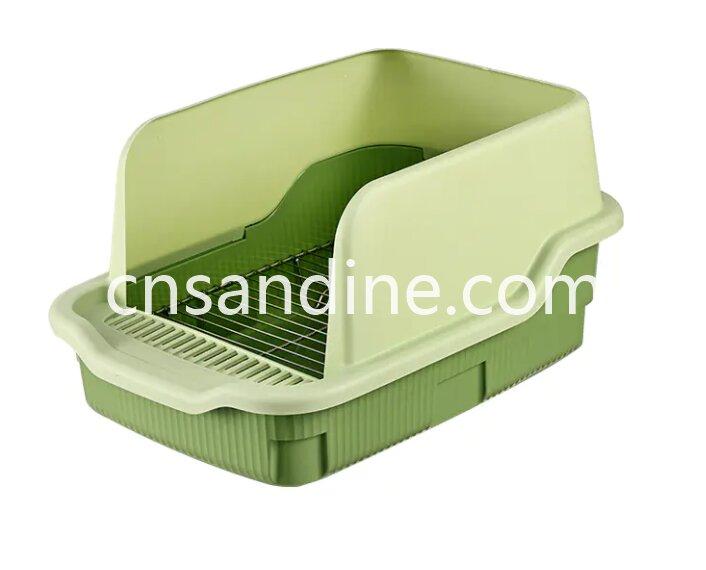
Dog Training Toilet selection involves several practical considerations for pet product buyers. A suitable design should match the animal's body size, daily habits, and household environment while offering convenient maintenance for owners. For importers, wholesalers, and retailers, understanding these details also makes it easier to evaluate product specifications, communicate with manufacturers, and choose configurations that fit their target markets.
Check Whether the Dimensions Match the Intended Use
Product dimensions should be among the first details buyers review. A tray needs enough usable space for an animal to enter, stand, turn, and position itself comfortably. If the available area is too limited, the animal may have difficulty using the designated spot consistently.
The featured model is designed for small and medium-sized pets. Its base measures approximately 600 × 430 mm. Buyers should compare these measurements with the intended user's body length and standing habits rather than relying on general size labels alone.
The available floor area at home also matters. Apartment owners may have different placement requirements from households with larger utility rooms or dedicated pet areas. Retailers can provide clear dimension information to help customers assess suitability before purchasing.
Examine the Entry Height and Fence Configuration
The surrounding fence influences access and helps contain splashes. Buyers should examine both the height and arrangement of the panels.
A low-entry configuration can make access easier for young animals or pets that are still becoming familiar with an indoor pet care area. A higher surrounding fence provides additional coverage for pets that tend to lift their legs when urinating.
The featured model offers two fence configurations for different usage stages. The low-fence version measures approximately 170 mm in height, while the high-fence version measures approximately 300 mm. This gives distributors an opportunity to explain how the product can accommodate different habits and stages of use.
When reviewing a sample, check that the panels fit securely and that the entrance remains accessible.
Review Grid Spacing and Paw Support
The grid is a functional component, not simply a cover for the base. Its spacing affects waste separation, paw support, and the overall experience during use.
Openings that are unsuitable for the intended animal may cause discomfort or make it harder for waste to pass through. Buyers should therefore examine the spacing in relation to the expected paw dimensions.
This model uses grid spacing of approximately 1.6 cm. The raised structure separates paws from the collection area underneath, allowing liquid and solid waste to pass through the openings.
During sample inspection, check whether the grid sits evenly, remains stable during normal use, and can be lifted without difficulty. These practical checks provide useful information beyond the appearance shown in product photographs.
Confirm the Materials and Structural Details
Material selection influences product weight, surface characteristics, and routine maintenance. Buyers should request clear information about the materials used in the base and grid instead of relying on general product descriptions.
The featured configuration combines a polypropylene base with a 201 stainless steel grid. These materials serve different structural purposes: the base forms the collection area, while the metal grid provides the raised standing surface.
When reviewing a sample, pay attention to the following details:
Whether the base has smooth, rounded edges
Whether the grid fits properly into its supporting position
Whether the connection points remain secure during handling
Whether the surface can be rinsed and dried conveniently
Whether the components can be separated for inspection
These checks help purchasing teams prepare product specifications and assess whether the construction matches their market requirements.
Consider Different Usage Preferences
Not every household follows the same indoor pet care routine. Some owners prefer a raised grid without additional materials, while others use absorbent pads or pet litter.
A flexible configuration can make a product relevant to customers with different preferences. The featured model supports three arrangements: grid-only use, placement of a pee pad underneath, and use with cat litter.
Buyers should confirm which accessories are included in the package and which materials need to be purchased separately. This distinction matters when preparing product listings, calculating retail costs, and explaining the setup to customers.
It is also useful to consider whether the product can be assembled and changed between usage arrangements without complicated steps. Simple handling can make it easier for owners to incorporate the product into their regular routines.
Assess Cleaning and Storage Requirements
Cleaning access should be considered before an order is placed. A removable grid and separate base allow owners to reach the collection area, remove waste, and rinse the components individually.
Buyers can test this process during sample evaluation. Remove the grid, inspect the inside corners, and check whether the base can be washed without awkward handling. Also examine whether the components can be reassembled correctly after cleaning.
Storage and transportation deserve attention as well. The product's shape, detachable parts, and packaging dimensions can influence carton planning and warehouse arrangements. Importers should request packaging details and confirm how the product will be protected during shipment.
Evaluate Manufacturing and Customization Communication
For wholesale and distribution businesses, product suitability is only one part of the purchasing process. Buyers should also understand the manufacturer's production arrangements, quality inspection procedures, packaging options, and customization capabilities.
Before confirming an order, prepare questions about available colors, model configurations, sample lead times, carton specifications, and OEM or ODM services. If a particular market requires different packaging or product information, communicate those requirements early.At cnsandine, buyers can discuss product details and manufacturing requirements for pet supplies and other plastic products. Providing the intended sales market, expected order quantity, and preferred configuration can help make the quotation and production discussion more specific.When comparing suppliers, keep the same checklist for each quotation. This makes it easier to review differences in materials, structure, packaging, and service arrangements. Buyers planning to expand their pet product range can visit https://www.cnsandine.com/ to review the company's product categories and contact the team about sample evaluation, wholesale orders, or customization requirements.

 English
 Arabic
 French
 Portuguese
 Deutsch
 Turkish
 Dutch
 Italiano
 Russian
 Romaian
 Portuguese (Brazil)
 Greek