


What Is Capsular Contracture and How Can It Affect Breast Implants?
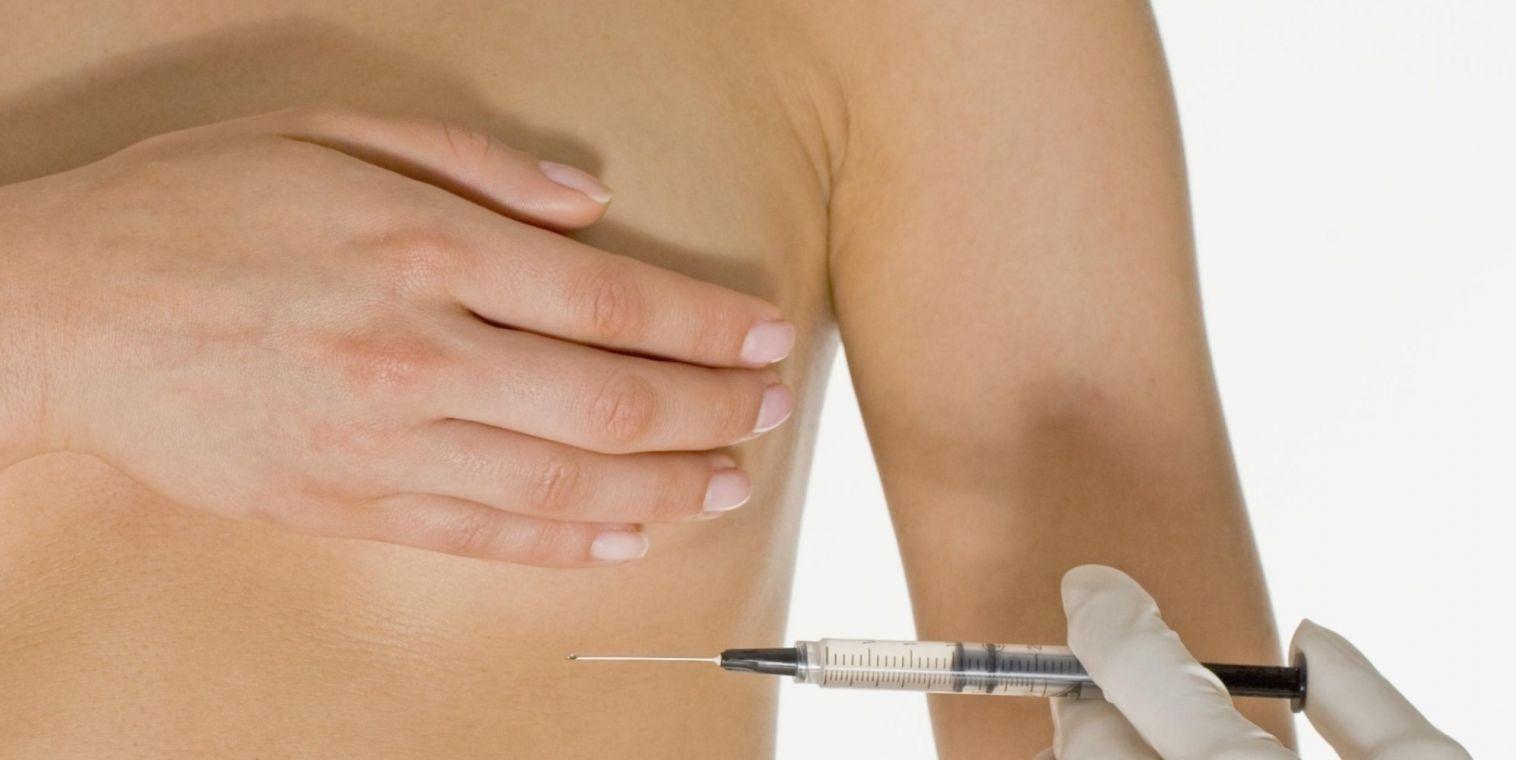
Breast implants are designed to maintain their shape and provide lasting breast volume, but sometimes the tissue surrounding an implant gradually becomes unusually firm. A breast that once felt soft may start feeling tight, look rounder than before, or develop an uncomfortable shape. This condition is known as capsular contracture. For women considering Breast Enhancement Surgery in Islamabad, understanding this complication is important because it can affect both the appearance and comfort of augmented breasts.
Capsular contracture does not mean that every breast implant will develop a problem. The body naturally forms a thin layer of scar tissue around an implant as part of the healing process. The concern arises when this capsule becomes excessively thick or tight and begins squeezing the implant.
What Is Capsular Contracture?
Whenever a breast implant is placed inside the body, the surrounding tissues form a protective layer of scar tissue around it. This layer is called the implant capsule, and its formation is a normal part of the body's response to a medical implant.
Under normal circumstances, the capsule remains relatively thin and flexible. It helps separate the implant from surrounding tissues without noticeably affecting the breast's softness or appearance.
Capsular contracture develops when this tissue becomes unusually firm and contracts around the implant. As the capsule tightens, it can compress the implant and change the shape of the breast.
The problem is not the formation of scar tissue itself, but the excessive tightening of that tissue around the implant.
What Causes Capsular Contracture?
There is no single confirmed cause of capsular contracture. It is believed to involve several biological and surgical factors that influence how the body responds to an implant.
Inflammation, bacterial contamination around the implant, and problems during the healing process have all been investigated as possible contributors. Infection, bleeding around the implant (haematoma), and fluid accumulation (seroma) are also recognised factors associated with increased risk.
However, capsular contracture can develop even when surgery and recovery initially appear uncomplicated. Some patients experience it months or years after augmentation, which is why long-term breast monitoring remains important.
Good surgical hygiene and appropriate implant handling are important, but no technique can completely eliminate the risk.
How Does Capsular Contracture Affect Breast Appearance?
One of the earliest noticeable changes may be an increase in breast firmness. A breast that previously felt soft may gradually become tighter, less natural, or different from the opposite side.
As the capsule contracts further, the implant can become compressed and distorted. This may produce an unusually rounded appearance, a higher implant position, or visible differences between the two breasts.
In more advanced cases, the breast may feel hard even without being touched. Some women also experience tenderness or persistent discomfort.
Changes in breast shape and firmness should not automatically be dismissed as normal implant settling, particularly when they develop progressively.
What Are the Four Grades of Capsular Contracture?
Surgeons commonly use the Baker grading system to describe the severity of capsular contracture. It considers how the breast feels, how it looks, and whether discomfort is present.
The four grades include:
-
Grade I: The breast feels soft and looks natural. The capsule has formed normally without noticeable problems.
-
Grade II: The breast feels slightly firm, but its appearance remains generally normal.
-
Grade III: The breast becomes noticeably firm and develops an abnormal shape or visible distortion.
-
Grade IV: The breast feels hard, looks distorted, and is often painful or tender.
This classification helps surgeons decide whether monitoring or additional treatment may be appropriate. Grades III and IV generally require more serious consideration of corrective surgery.
The severity of contracture matters because not every patient needs an immediate operation.
What Symptoms Should Patients Watch For?
Capsular contracture may develop gradually, so the initial changes can be easy to overlook. Some women first notice that one breast feels different from the other, while others become aware of a change when wearing their usual bra.
Possible warning signs include:
-
Increasing firmness: The breast feels harder than it did after the initial recovery period.
-
Shape distortion: The implant appears unusually round, elevated, or compressed.
-
Breast asymmetry: One breast becomes visibly different in position or shape.
-
Tightness: The surrounding tissue feels increasingly restricted.
-
Persistent discomfort: The breast becomes tender or painful, particularly with pressure.
-
Changes in implant position: The breast may appear displaced or sit differently on the chest.
These symptoms do not confirm capsular contracture by themselves. Implant displacement, rupture, infection, and other breast conditions can produce similar changes.
A new or progressive change in breast firmness or shape deserves examination by a qualified surgeon.
How Is Capsular Contracture Diagnosed?
Diagnosis usually begins with a physical examination and a review of the patient's surgical history. The surgeon compares both breasts, checks firmness, examines implant position, and looks for changes in the surrounding tissues.
The timing of the symptoms is also important. A breast that feels firm shortly after surgery may simply be experiencing normal swelling and healing, whereas progressive hardening after an initially settled result may raise concern about contracture.
Imaging may be recommended when the surgeon needs to investigate implant integrity or rule out another problem. Ultrasound or MRI can help assess certain implant-related complications, particularly when rupture is suspected.
An accurate diagnosis is essential because not every hard or painful breast is caused by capsular contracture.
Can Capsular Contracture Be Treated Without Surgery?
Treatment depends on the severity of the condition and whether the breast is causing discomfort or visible distortion. Mild cases may sometimes be monitored, particularly when the breast remains comfortable and its appearance is acceptable.
However, established contracture that causes significant firmness, pain, or deformity often requires surgical assessment. There is no universally established non-surgical treatment that reliably reverses advanced capsular contracture.
Patients should be cautious about products or devices advertised as guaranteed ways to dissolve the capsule. Similarly, forceful breast massage should not be attempted without medical advice, particularly when there is pain or suspected implant damage.
The treatment should be based on the actual grade and condition of the implant rather than promises of guaranteed correction.
What Happens During Revision Surgery?
When capsular contracture becomes severe, a surgeon may recommend revision breast surgery. The procedure may involve opening or removing some of the tight scar tissue surrounding the implant.
A capsulotomy involves making an incision in the capsule to release its tightness. A capsulectomy involves removing part or, when appropriate, most of the capsule. The surgeon may also remove or replace the implant depending on its condition and the patient's preferences.
In selected cases, changing the implant pocket or placement may also be considered. For example, a surgeon may discuss moving an implant to a different tissue plane if the existing arrangement is contributing to the problem.
However, revision surgery does not guarantee that contracture will never return. The corrective plan must address both the existing capsule and the factors that may have contributed to its development.
Can Capsular Contracture Be Prevented?
Although no method guarantees prevention, careful surgical planning and good postoperative care may help reduce avoidable risks.
The surgeon should select appropriate implant dimensions, use meticulous sterile technique, and minimise unnecessary tissue trauma during the operation. Any postoperative infection, fluid collection, or unusual inflammation should receive timely medical attention.
Patients also have a role in long-term care. They should follow recovery instructions, attend follow-up appointments, and report changes in breast shape or firmness rather than waiting for symptoms to become severe.
Prevention is about reducing risk and recognising complications early, not promising that contracture cannot happen.
What Should Patients Know Before Breast Enhancement Surgery in Islamabad?
Anyone considering implants should understand that capsular contracture is a recognised long-term complication. It can affect silicone and saline implants, and the risk does not disappear simply because the initial operation and recovery were successful.
During Breast Enhancement Surgery in Islamabad, patients should discuss implant type, placement, surgical technique, possible complications, and long-term follow-up. They should also ask what symptoms require an examination and what treatment options would be available if contracture develops.
Breast implants are not lifetime devices, and some patients may need additional procedures in the future. Understanding this responsibility before surgery helps people make informed decisions.
Choosing implants involves considering both the desired appearance and the possibility of future implant-related treatment.
Final Thoughts
Capsular contracture occurs when the protective scar tissue around a breast implant becomes unusually tight, potentially causing firmness, pain, and changes in breast shape. Its severity can range from mild firmness to significant distortion that requires revision surgery. Early assessment helps determine the appropriate response and prevents other implant complications from being overlooked.
For women considering Breast Enhancement Surgery in Islamabad, Dynamic Aesthetic Clinic offers personalised consultations focused on implant selection, surgical planning, and long-term breast health. Its expertise, board-certified surgeons, and advanced surgical techniques help patients explore suitable enhancement options with attention to implant safety, natural-looking results, and ongoing care.

 English
 Arabic
 French
 Spanish
 Deutsch
 Turkish
 Dutch
 Italiano
 Russian
 Romaian
 Portuguese (Brazil)
 Greek