


How Professional Wound Dressing Helps Manage Surgical Incisions
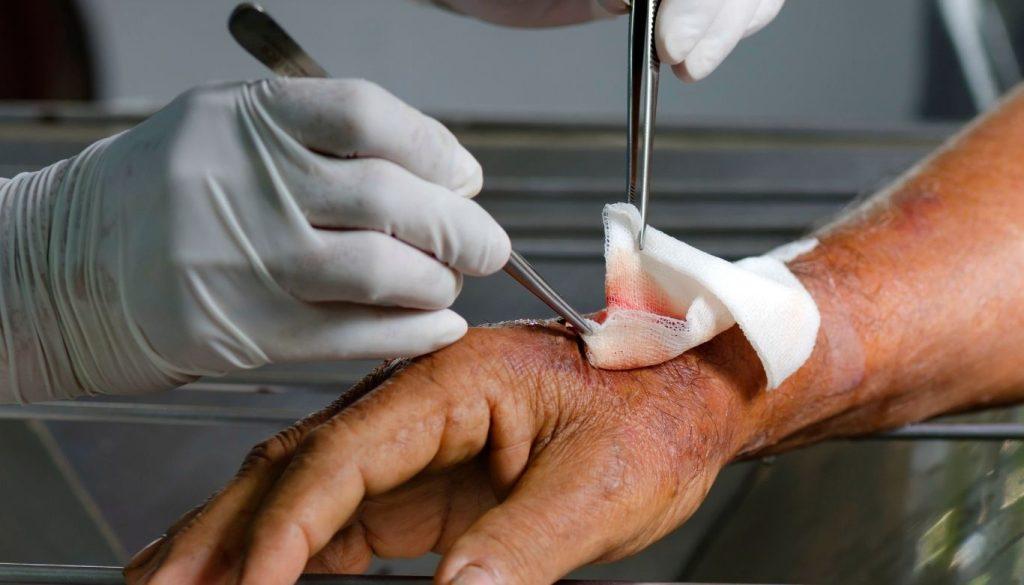
Recovering from surgery requires proper wound care to protect the incision site, prevent infections, and support healthy tissue repair. Surgical incisions need careful attention because the skin and underlying tissues must heal properly after being cut during a medical procedure. Incorrect dressing techniques, poor hygiene, or delayed wound care can increase the risk of complications and prolong recovery. Wound Dressing at Home in Dubai provides patients with access to professional wound management in a comfortable and familiar environment. With assistance from qualified nurses and a Doctor at Home, patients can receive appropriate incision assessments, sterile dressing changes, and personalised care to support a smoother recovery.
Understanding Surgical Incisions and Their Healing Process:
A surgical incision is a deliberate cut made by a surgeon to access internal tissues or organs during a medical procedure. After surgery, the incision begins a natural healing process involving blood clot formation, inflammation, tissue growth, and wound strengthening. The duration of recovery depends on several factors, including the type of surgery, incision size, the patient's age, nutritional status, and underlying medical conditions. During the initial days, the incision may have mild swelling, tenderness, or slight redness, which can be part of normal healing. However, increasing discomfort, spreading redness, unusual discharge, or wound separation may indicate complications. Proper wound dressing protects the incision while allowing healthcare professionals to monitor these changes throughout recovery.
Why Professional Wound Dressing Is Important After Surgery:
Professional wound dressing plays an important role in protecting surgical incisions from bacteria, dirt, friction, and accidental injury. Although some surgical wounds may require minimal covering after the initial healing period, others need regular dressing changes depending on their location, drainage, and healing progress. Qualified nurses understand how to clean the surrounding skin, handle sterile materials, and apply suitable dressings without unnecessarily disturbing healing tissues. Professional care also helps identify early warning signs that patients might overlook. The main benefits include:
-
Protecting the incision from external contaminants.
-
Maintaining an appropriate moisture balance around the wound.
-
Absorbing blood or excess wound drainage.
-
Reducing friction and irritation from clothing.
-
Supporting healthy tissue development.
-
Identifying possible infection or delayed healing.
-
Preventing unnecessary trauma during dressing changes.
Following an appropriate wound care schedule helps reduce avoidable complications and supports the body's natural recovery process.
How Nurses Prepare Surgical Incisions Before Dressing Changes:
Proper preparation is essential before applying a new dressing to a surgical incision. Nurses begin by washing their hands and preparing a clean working area with the required sterile supplies. They carefully remove the existing dressing while avoiding unnecessary pulling or pressure on the incision. The wound and surrounding skin are then assessed for redness, swelling, drainage, odour, and signs of separation. If cleaning is required, the nurse follows the surgeon's instructions and uses an appropriate solution, commonly sterile saline or another recommended product. The surrounding skin is handled gently to avoid irritation, and the incision is allowed to dry as directed before a new dressing is applied. These precautions help maintain hygiene and reduce the risk of introducing harmful microorganisms during treatment.
Selecting the Right Dressing for Different Surgical Incisions:
Not all surgical incisions require the same type of dressing. The appropriate material depends on the wound's location, size, drainage level, surrounding skin condition, and stage of healing. Some incisions need simple sterile gauze, while others benefit from advanced materials that provide better absorption or gentle protection. Healthcare professionals assess these factors before recommending a suitable dressing. Common options include:
-
Sterile gauze dressings: Frequently used to cover uncomplicated incisions and absorb minor amounts of blood or wound fluid.
-
Transparent film dressings: Provide a protective barrier while allowing visual monitoring of suitable low-drainage wounds.
-
Foam dressings: Help absorb moderate amounts of wound drainage while providing cushioning.
-
Silicone dressings: Offer gentle contact with the skin and can reduce discomfort during removal.
-
Hydrocolloid dressings: May be suitable for selected superficial wounds when recommended by a healthcare professional.
The surgeon's instructions should always guide dressing selection, particularly after complex procedures or when specialised surgical wound products have been used.
Preventing Surgical Wound Infections Through Proper Dressing Care:
Surgical site infections can occur when bacteria enter the incision and affect the surrounding tissues. These infections may develop in the skin, deeper tissues, or the area surrounding an implanted medical device. Proper dressing techniques help reduce contamination risks, although dressings alone cannot eliminate the possibility of infection. Professional nurses follow appropriate hand hygiene practices, use sterile supplies when required, and avoid touching the wound unnecessarily. Patients also receive instructions on keeping the incision protected and recognising symptoms that require medical attention. Warning signs may include:
-
Increasing redness or warmth around the incision.
-
Swelling that becomes progressively worse.
-
Thick, yellow, or green discharge.
-
Unpleasant odour coming from the wound.
-
Increasing pain or tenderness.
-
Fever or chills.
-
Separation of the incision edges.
Patients experiencing these symptoms should contact their healthcare provider promptly. Severe symptoms or rapidly worsening conditions require urgent medical evaluation.
Managing Surgical Drainage and Protecting the Incision:
Some surgical incisions produce small amounts of fluid during the early stages of healing. This drainage may contain clear fluid or a small amount of blood, depending on the procedure and recovery stage. Appropriate dressings help absorb this fluid while protecting the surrounding skin from excessive moisture. However, sudden increases in drainage, persistent bleeding, thick discharge, or unusual changes in colour should not be ignored. Professional nurses monitor the amount and appearance of wound fluid during dressing changes and report concerning findings to the treating doctor. Patients with surgical drains also require specific instructions regarding drain positioning, emptying, and monitoring. These steps help maintain wound hygiene and prevent unnecessary pressure or disruption around the incision.
The Role of Professional Home Nursing in Surgical Recovery:
Travelling to a medical facility for repeated dressing changes can be uncomfortable for patients recovering from major surgery, orthopaedic procedures, abdominal operations, or cosmetic treatments. Home nursing services provide a practical alternative for patients who are medically stable and suitable for home-based wound management. With Wound Dressing at Home in Dubai, qualified nurses can visit patients, assess their surgical incisions, and perform dressing changes according to the prescribed care plan. Home visits may include:
-
Inspecting the incision and surrounding skin.
-
Removing old dressings using appropriate techniques.
-
Cleaning the wound according to medical instructions.
-
Applying suitable sterile dressing materials.
-
Monitoring drainage and changes in wound appearance.
-
Providing guidance on hygiene and incision protection.
-
Reporting unusual symptoms to the treating healthcare provider.
This approach allows patients and family members to receive professional guidance while reducing the inconvenience of frequent clinic visits.
Daily Precautions Patients Should Follow After Surgery:
Patients play an important role in protecting their surgical incisions between professional dressing appointments. Following discharge instructions and maintaining good personal hygiene can help prevent unnecessary complications. Although daily care requirements vary according to the procedure, patients should avoid touching the incision with unwashed hands and should not remove or replace specialised dressings unless instructed. It is also important to avoid applying household remedies, powders, oils, or unprescribed creams to the wound. Helpful precautions include:
-
Keep the incision clean and follow the surgeon's bathing instructions.
-
Avoid scratching, rubbing, or pulling at the wound.
-
Wear loose clothing that does not create friction.
-
Avoid strenuous activities until medically cleared.
-
Follow prescribed medication instructions.
-
Attend scheduled postoperative appointments.
-
Report unusual swelling, discharge, or wound separation.
-
Maintain a balanced diet with adequate protein and nutrients.
These measures support the healing process and help patients avoid activities that could place unnecessary stress on the incision.
Factors That Can Delay Surgical Incision Healing:
Several health and lifestyle factors can influence how quickly a surgical incision heals. Patients with diabetes may experience slower tissue repair because elevated blood glucose can affect circulation and immune function. Smoking can reduce oxygen delivery to tissues, while poor nutrition may limit the availability of nutrients needed for recovery. Older age, obesity, certain medications, and underlying medical conditions may also influence healing. Professional wound dressing helps protect the incision, but it cannot independently correct these underlying issues. Patients should discuss their medical history with their healthcare provider and follow recommendations regarding blood sugar management, nutrition, smoking cessation, and physical activity. A personalised recovery plan helps address these factors alongside regular wound monitoring.
Final Thoughts
Professional wound dressing is an essential part of surgical recovery because it protects incisions, manages drainage, supports tissue repair, and helps identify potential complications. Using appropriate dressing materials and maintaining proper hygiene can reduce unnecessary irritation and contamination risks. Regular monitoring by qualified healthcare professionals also ensures that changes in the incision are recognised and addressed promptly. With Wound Dressing at Home in Dubai, patients can receive convenient, personalised nursing support while recovering in their own homes. Following medical instructions, attending postoperative appointments, and maintaining proper incision care can contribute to safer healing and a more comfortable recovery experience.

 English
 Arabic
 French
 Spanish
 Portuguese
 Deutsch
 Turkish
 Dutch
 Italiano
 Russian
 Romaian
 Portuguese (Brazil)