


Acne Treatment in Dubai: How Can Different Acne Types Influence Treatment Selection?
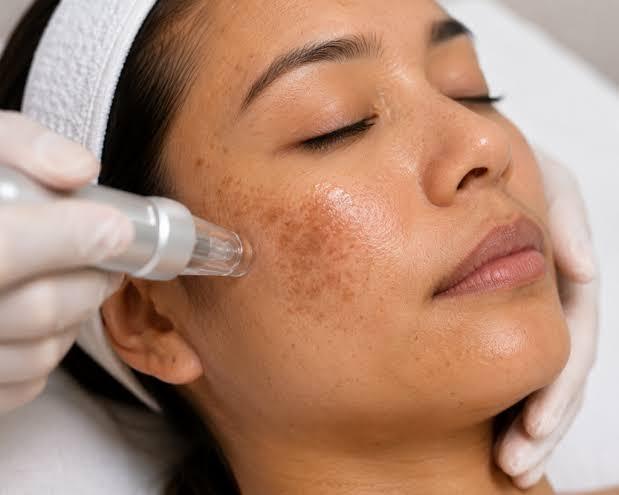
Acne is one of the most common skin concerns, affecting people of different ages and skin types. However, acne does not appear in the same way for everyone. Some individuals experience occasional blackheads and whiteheads, while others struggle with inflamed pimples, painful cysts, or persistent breakouts that leave visible marks. Because each type of acne develops differently, selecting an appropriate treatment requires an understanding of its underlying causes, severity, and effect on the skin.
Choosing the right approach is an important part of achieving clearer, healthier-looking skin. A treatment that works well for mild comedonal acne may not provide sufficient improvement for deeper inflammatory breakouts. Similarly, acne associated with excess oil production may require a different approach from breakouts influenced by hormonal changes or skin irritation.
For individuals considering Acne Treatment in Dubai, understanding the different acne types can help make treatment planning more effective. Dr. Camellia Kamyab focuses on assessing individual skin concerns and selecting suitable treatment approaches based on the condition of the skin, the pattern of breakouts, and the patient's skincare needs.
Why Is Identifying the Type of Acne Important Before Treatment?
Acne develops when hair follicles become blocked with excess sebum, dead skin cells, and other debris. This blockage can encourage bacterial activity and trigger inflammation within the skin. Although the underlying process is similar, the appearance and severity of acne can vary considerably.
Identifying the specific type of acne helps determine which treatment methods may be appropriate. For example, treatments designed to unclog pores may be suitable for blackheads and whiteheads, whereas inflamed acne may require approaches that address redness, swelling, and bacterial activity.
An accurate assessment also helps distinguish active acne from other skin concerns, such as rosacea, folliculitis, and post-inflammatory pigmentation. These conditions can sometimes resemble acne but may require different management strategies.
Dr. Camellia Kamyab considers factors such as skin sensitivity, oil production, breakout frequency, and previous treatment experiences when evaluating acne concerns.
How Does Comedonal Acne Influence Treatment Selection?
Comedonal acne is characterised by clogged pores and generally involves blackheads and whiteheads. It is often considered a non-inflammatory form of acne because the affected areas do not usually show significant redness or swelling.
Whiteheads develop when pores become blocked beneath the skin's surface. Blackheads occur when the contents of an open pore are exposed to air, resulting in oxidation and a darker appearance.
Understanding Blackheads and Whiteheads
Although both conditions involve clogged follicles, their appearance differs. Whiteheads look like small, skin-coloured or whitish bumps, while blackheads usually appear as dark spots, particularly around the nose, chin, and forehead.
Treatment planning for comedonal acne often focuses on improving pore clearance and reducing the accumulation of dead skin cells.
Suitable Treatment Considerations
Depending on the skin assessment, treatment options may include:
- Topical retinoids to encourage skin cell turnover and help prevent clogged pores.
- Salicylic acid to exfoliate inside the pores and reduce excess oil accumulation.
- Gentle cleansing routines to remove surface impurities without excessively drying the skin.
- Non-comedogenic moisturisers that support the skin barrier without contributing to pore blockage.
The selection of active ingredients depends on the individual's skin tolerance and the extent of the condition. Introducing too many exfoliating products at once can irritate the skin, so a gradual approach is generally preferable.
How Does Inflammatory Acne Affect Treatment Decisions?
Inflammatory acne develops when blocked follicles become irritated and trigger an immune response. Unlike comedonal acne, this type involves visible redness, swelling, and sometimes tenderness.
It commonly appears as papules and pustules. Papules are small, raised red bumps, while pustules contain visible pus and may have a white or yellow centre.
Papules and Pustules
Papules and pustules can develop across the cheeks, forehead, chin, jawline, and other areas with active oil glands. Their appearance and frequency help determine the intensity of treatment required.
For mild inflammatory acne, topical treatments may be considered to reduce inflammation and control acne-causing processes. Depending on the clinical assessment, options may include benzoyl peroxide, topical retinoids, or prescription treatments.
More persistent inflammatory acne may require a combination approach rather than relying on a single skincare ingredient.
Why Is a Personalised Approach Necessary?
Inflammatory acne can respond differently depending on skin sensitivity, breakout frequency, and previous treatment history. Someone experiencing occasional pustules may need a relatively simple treatment routine, while widespread inflammatory acne may require a more structured plan.
The objective is to reduce active breakouts while maintaining the skin's natural protective barrier.
How Does Cystic Acne Influence Treatment Selection?
Cystic acne is a more severe form of inflammatory acne. It develops deeper within the skin and can produce large, painful lumps beneath the surface. These lesions may remain for extended periods and can affect multiple facial areas, including the cheeks, chin, jawline, and forehead.
Unlike superficial pimples, cystic acne involves deeper inflammation. Consequently, ordinary cleansing products and basic over-the-counter treatments may not provide sufficient improvement.
Why Does Cystic Acne Require a Different Approach?
Deep acne lesions involve more extensive inflammation than blackheads, whiteheads, or occasional pimples. Treatment therefore needs to address the underlying condition rather than focusing exclusively on surface-level symptoms.
Depending on severity, a dermatologist may consider prescription treatments such as oral medications, hormonal therapies where appropriate, or isotretinoin for selected patients under appropriate medical supervision.
Treatment selection depends on individual medical history, the extent of acne, and previous responses to therapy.
The Importance of Early Assessment
Persistent cystic acne deserves timely professional evaluation. Early treatment planning can help control active inflammation and reduce the likelihood of long-lasting changes to the skin.
Patients should avoid squeezing or attempting to drain deep acne lesions because this can increase irritation and interfere with the skin's natural healing process.
How Does Hormonal Acne Influence Treatment Selection?
Hormonal acne is frequently associated with changes in androgen activity, which can stimulate sebaceous glands to produce more oil. Increased sebum production can contribute to clogged pores and inflammatory breakouts.
This type of acne commonly affects the lower face, particularly the chin and jawline. Some individuals notice that breakouts become more frequent around menstruation, while others experience persistent acne associated with hormonal conditions.
Recognising Hormonal Breakout Patterns
Hormonal acne may present as deep, tender spots that repeatedly develop in similar facial areas. However, the location of acne alone cannot confirm a hormonal cause.
A medical assessment may consider menstrual patterns, other symptoms, medication history, and the timing of breakouts.
Treatment Options for Hormonal Acne
Depending on the individual's circumstances, treatment may involve:
- Topical retinoids to prevent clogged pores.
- Benzoyl peroxide to reduce acne-causing bacteria.
- Hormonal treatments, such as certain combined oral contraceptives, where medically appropriate.
- Spironolactone for selected patients under medical supervision.
The most suitable option depends on the underlying hormonal factors, medical suitability, and skin condition. A treatment plan may also combine topical skincare with medical management.
How Does Acne-Prone Oily Skin Affect Treatment Planning?
Excessive sebum production is an important factor in many forms of acne. People with oily skin may notice a persistent shine, enlarged-looking pores, and frequent breakouts, particularly around the forehead, nose, and chin.
However, oily skin does not automatically mean someone has severe acne. Treatment should be based on the actual condition of the pores and the presence of inflammation.
Balancing Oil Production Without Over-Drying
A common mistake among people with oily, acne-prone skin is using harsh cleansers or exfoliating products too frequently. Although these products may temporarily remove surface oil, excessive cleansing can disrupt the skin barrier and increase irritation.
A suitable skincare routine may include:
- A gentle cleanser formulated for acne-prone skin.
- Lightweight, non-comedogenic moisturisers.
- Salicylic acid when appropriate for clogged pores.
- Sunscreen suitable for oily or acne-prone skin.
The goal is to maintain a healthy balance rather than eliminate all natural skin oils.
How Can Acne Marks and Scarring Influence Treatment Selection?
Acne treatment does not always end when active breakouts improve. Some individuals continue to experience visible changes, including dark marks, redness, uneven skin texture, and depressed scars.
These concerns are different from active acne and require separate consideration during treatment planning.
Post-Inflammatory Hyperpigmentation
Post-inflammatory hyperpigmentation develops when inflammation stimulates excess pigment production. It commonly appears as brown, dark, or greyish marks that remain after pimples have healed.
Treatment may involve ingredients such as azelaic acid, retinoids, or other dermatologist-recommended pigment-targeting products. Consistent sun protection is also important because ultraviolet exposure can make pigmentation more noticeable.
Acne Scarring and Uneven Texture
Acne scars develop when inflammation damages the deeper structures of the skin. They may appear as shallow depressions, narrow pits, or broader areas of uneven texture.
Depending on scar type and severity, treatment options may include microneedling, chemical peels, laser procedures, or subcision. These approaches are generally considered after active acne has been brought under control.
Selecting an appropriate procedure requires evaluating skin texture, scar depth, skin tone, and the individual's treatment goals.
What Factors Should Be Considered When Choosing Acne Treatment in Dubai?
Selecting an appropriate treatment involves more than identifying the visible type of acne. Several individual factors can influence the recommended approach.
Skin Type and Sensitivity
Dry, oily, combination, and sensitive skin can respond differently to active ingredients and clinical procedures. Treatment should be selected to address acne without unnecessarily irritating the skin.
Acne Severity and Distribution
The number of breakouts, their depth, and the areas affected help determine whether topical skincare, prescription medication, or additional clinical treatments may be appropriate.
Previous Treatment Experience
Some individuals have already tried multiple skincare products or medications. Understanding what has and has not worked helps guide future treatment decisions and avoid unnecessary repetition.
Lifestyle and Hormonal Influences
Stress, sleep patterns, certain medications, hormonal changes, and skincare habits may influence acne activity. Identifying potential contributing factors can help create a more comprehensive management strategy.
Consistency and Long-Term Skin Maintenance
Acne management often requires consistency rather than frequent changes in products. Improvements may take several weeks, and maintenance treatment may be necessary to help prevent recurring breakouts.
How Does Dr. Camellia Kamyab Approach Personalised Acne Treatment?
Effective acne management begins with understanding the individual's skin rather than applying the same treatment to everyone. Dr. Camellia Kamyab considers the type of acne, its severity, skin sensitivity, and the patient's previous skincare experiences when planning an appropriate approach.
The assessment may involve examining clogged pores, inflammatory lesions, deeper breakouts, pigmentation, and acne-related texture changes.
Based on these findings, treatment recommendations may include topical skincare, medically prescribed therapies, or selected clinical procedures where appropriate.
For patients with multiple acne concerns, treatment may be planned in stages. For example, controlling active inflammation may be prioritised before addressing pigmentation or scarring.
This approach helps ensure that treatment decisions are guided by the skin's current condition and individual needs rather than a generalised skincare routine.
Conclusion
Different acne types require different treatment considerations because they develop through varying processes and affect the skin in different ways. Comedonal acne primarily involves clogged pores, inflammatory acne produces red and swollen lesions, cystic acne affects deeper skin structures, and hormonal acne may be associated with changes in sebum production.
Identifying these differences is essential for selecting an appropriate treatment approach. Factors such as skin sensitivity, acne severity, hormonal influences, previous treatments, and the presence of pigmentation or scarring can further influence the recommendations.
For individuals exploring Acne Treatment in Dubai, a personalised skin assessment can help identify the nature of their breakouts and establish a suitable management plan. Dr. Camellia Kamyab focuses on individual skin concerns to support clearer-looking skin and long-term skin health.
Frequently Asked Questions
1. Why do different types of acne require different treatments?
Different acne types involve different processes. Comedonal acne primarily involves blocked pores, whereas inflammatory and cystic acne involve varying degrees of inflammation. Treatment selection depends on the underlying cause, severity, and individual skin condition.
2. What is the difference between comedonal and inflammatory acne?
Comedonal acne consists mainly of blackheads and whiteheads caused by blocked follicles. Inflammatory acne involves redness, swelling, and lesions such as papules and pustules.
3. Which acne type is considered the most severe?
Cystic acne is generally considered one of the more severe forms because it involves deep inflammation and can produce painful lesions beneath the skin. Professional assessment can help determine appropriate treatment.
4. Can hormonal acne affect adults?
Yes. Hormonal acne can affect adults of different ages and may be associated with hormonal fluctuations, androgen activity, or certain medical conditions. It frequently appears around the chin and jawline.
5. Is oily skin more likely to develop acne?
Oily skin can be more prone to clogged pores because increased sebum production may contribute to acne development. However, oily skin does not necessarily mean someone will experience frequent or severe breakouts.
6. How long does acne treatment take to show results?
The timeline varies according to acne type, severity, and treatment method. Many topical treatments require approximately 6–12 weeks of consistent use before noticeable improvement. Deeper or persistent acne may require longer-term medical management.
7. Can acne scars be treated after active breakouts improve?
Yes. Depending on the type of scarring, treatments such as microneedling, chemical peels, laser procedures, and subcision may be considered. The appropriate option depends on scar depth, skin type, and individual suitability.
8. Can the same skincare routine treat every type of acne?
No. A routine suitable for mild comedonal acne may not be sufficient for cystic or persistent inflammatory acne. Skincare should be adjusted according to the type and severity of acne.
9. When should someone consult a professional for acne?
Professional assessment is recommended when acne is persistent, painful, widespread, repeatedly returning, or leaving visible scars and pigmentation. Early evaluation can help identify suitable treatment options.
10. How can I choose the best acne treatment in Dubai?
Choosing an appropriate treatment starts with a professional assessment of your acne type, skin condition, medical history, and treatment goals. Best Acne Treatment in Dubai should be understood as an approach tailored to individual skin needs rather than a single treatment that works for everyone.

 English
 Arabic
 French
 Spanish
 Portuguese
 Deutsch
 Turkish
 Dutch
 Italiano
 Romaian
 Portuguese (Brazil)
 Greek