


SaaS Data Modeling Patterns for Scalable Next.js SaaS Applications
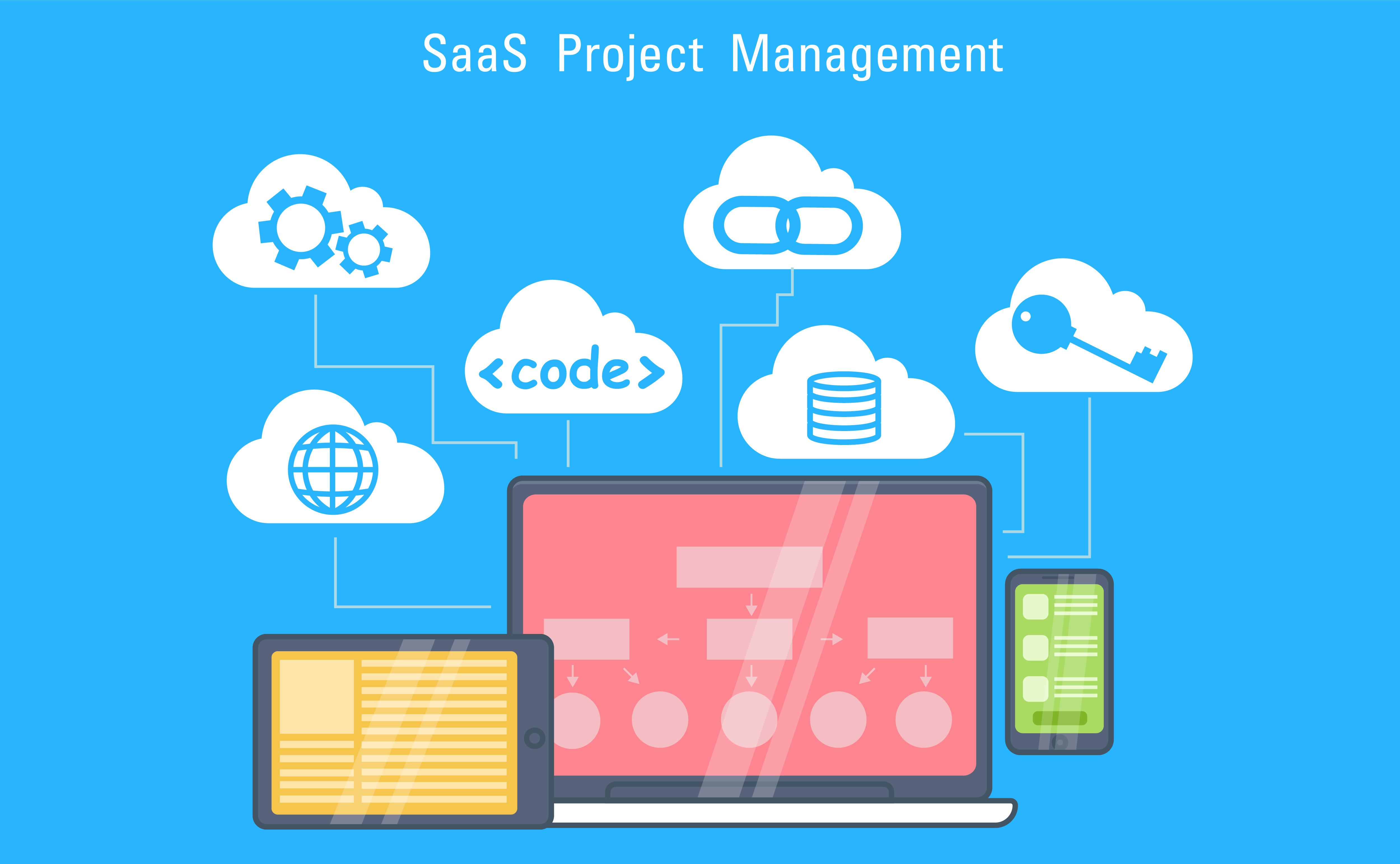
Constructing a scalable Software-as-a-Service (SaaS) platform extends far beyond crafting a refined user interface or optimizing backend logic; the foundational architecture of the database is equally critical, directly influencing performance, security, maintainability, and sustained growth.
SaaS data modeling patterns enable developers to structure application data in a manner that facilitates robust support for multi-tenant environments, diverse organizational needs, intricate business operations, and escalating workloads.
In contemporary Next.js ecosystems, where TypeScript, Prisma, and PostgreSQL converge, the selection of an appropriate data modeling strategy is paramount to optimizing the software architecture.
One of the primary benefits of SaaS data modeling is improved database organization. A SaaS platform may manage user accounts, subscriptions, payments, projects, permissions, customer records, and other business information.
Understanding Data Modeling in SaaS Development
Data modeling constitutes the systematic definition of how information is stored, interconnected, retrieved, and preserved within a database environment.
Within the context of Software-as-a-Service (SaaS) development, these models are required to accommodate diverse client needs while ensuring that each customer's data remains meticulously organized and strictly isolated.
In contrast to conventional applications designed for solitary organizational use, SaaS platforms frequently accommodate multiple tenants within a unified infrastructure.
Distinct from one another, each tenant maintains its own ecosystem, encompassing independent users, subscriptions, permissions, projects, configurations, and business records.
Prior to architecting database schemas or establishing relational constraints, developers must rigorously evaluate these prerequisites.
A meticulously structured data model serves as an indispensable bedrock for application development, thereby mitigating potential performance bottlenecks and security vulnerabilities as the platform scales.
1.Multi-Tenant Data Modeling Pattern
Multi-tenancy represents a cornerstone principle within contemporary Software-as-a-Service architectures, enabling diverse organizations to leverage a unified application platform while ensuring the strict segregation of their respective data environments.
A prevalent methodology involves the shared database and shared schema architecture, wherein distinct tenants operate within identical database tables, with each entry distinguished by a `tenantId` or `organizationId` field.
For instance, a projects table may house records pertaining to multiple organizations; consequently, the application leverages the organization identifier to procure the appropriate data for each tenant.
This approach offers several advantages:
- Simplifies database administration.
- Reduces infrastructure costs.
- Streamlines the process of maintaining applications.
- The system facilitates centralized administration of the database.
- This capability empowers Software-as-a-Service platforms to achieve efficient scaling.
Consequently, developers are obligated to enforce rigorous tenant-level access controls to mitigate the risk of unauthorized data retrieval.
Furthermore, each database query must be meticulously scoped to align with the authenticated user's specific organizational context and granted permissions.
2.Relational Data Modeling with PostgreSQL
PostgreSQL stands as a premier database selection for scalable SaaS applications, distinguished by its robust support for relational structures, transactional integrity, indexing mechanisms, and sophisticated querying functionalities.
Relational data modeling structures information by arranging it within interconnected tables, thereby avoiding the accumulation of all application data within a solitary table.
Instead, developers partition entities based on their distinct functional responsibilities.
Consequently, a SaaS-based project management platform may be structured to encompass distinct tables for users, organizations, projects, tasks, subscriptions, and invoices.
Linked via primary and foreign keys, this relational architecture mitigates redundant data entry and ensures the integrity and consistency of the information.
By leveraging Prisma within a Next.js architecture, developers establish database relationships through a definitive schema, which facilitates the generation of a type-safe client for seamless, robust interaction with PostgreSQL across the entire application.
3.Normalization for Better Data Management
Database normalization represents a pivotal strategy in data modeling, meticulously structuring records to minimize redundancy and enhance consistency.
Within Software-as-a-Service platforms, a single set of customer data is often indispensable across diverse functional modules.
Consequently, replicating this information in disparate storage locations frequently precipitates synchronization failures whenever records are modified.
The process of normalization systematically partitions associated data into distinct tables while simultaneously defining the relational dependencies that bind them together.
For instance, client particulars may be archived within a distinct customers table, whereas subscription data resides in an independent subscriptions table.
This strategy renders the update process more tractable while simultaneously mitigating the potential for record inconsistencies.
Nevertheless, an overreliance on normalization may compel specific queries to traverse an augmented number of database joins, thereby potentially impeding performance.
Consequently, developers must strike a strategic equilibrium between the theoretical benefits of normalization and the pragmatic demands of application efficiency.
4.Role-Based Access Control Data Modeling
Scalable Software as a Service platforms often necessitate a tiered permission structure to distinctly differentiate access rights among administrators, managers, employees, and standard users.
Role-based access control (RBAC) offers a systematic framework for administering permissions.
A malleable data architecture is capable of encompassing users, roles, permissions, and the relational mappings between users and roles, thereby enabling organizations to delineate distinct responsibilities without the necessity of embedding access control logic directly into the application codebase.
For instance, an organization administrator possesses the authority to oversee billing arrangements and manage team membership, whereas a standard user is restricted to accessing only those projects that have been explicitly assigned to them.
The integration of Role-Based Access Control with tenant-specific data isolation fortifies the authorization architecture within multi-tenant SaaS environments.
SaaS data modeling plays an important role in building reliable, scalable, and secure full-stack SaaS applications.
5.Subscription and Billing Data Models
Subscription management constitutes a fundamental pillar of numerous Software-as-a-Service (SaaS) business models.
Applications that provide monthly or annual pricing tiers necessitate robust architectures for the secure storage and administration of billing data.
An effective database architecture often necessitates the implementation of distinct tables dedicated to plans, subscriptions, payments, invoices, and subscription events.
Maintaining a distinct separation of these entities enables developers to effectively administer subscription modifications, payment transactions, renewal processes, and billing history.
When incorporating Stripe into an application, it is imperative to diligently process webhook events to ensure that subscription records remain perfectly synchronized with underlying payment activity.
The implementation of transactions coupled with suitable database constraints ensures data integrity by guaranteeing consistency during concurrent billing operations.
6.Indexing and Query Optimization
In the design of a robust data model, it is imperative to account for access patterns and retrieval efficiency.
As SaaS applications scale, the performance of database queries may degrade significantly, particularly when tables accumulate vast volumes of records.
PostgreSQL indexing enhances query performance by enabling the database system to retrieve pertinent records with greater efficiency.
To optimize query performance, developers ought to prioritize indexing high-traffic attributes, including tenant identifiers, user IDs, email addresses, subscription statuses, and creation timestamps.
For multi-tenant applications, composite indexes can also improve queries that filter records using multiple conditions.
Conversely, the inclusion of superfluous indexes may inflate storage demands and impede write performance; consequently, index selection must be rigorously aligned with genuine query patterns.
Conclusion
Robust data modeling paradigms serve as the cornerstone for constructing dependable, secure, and horizontally scalable Next.js SaaS platforms.
Whether establishing multi-tenant database architectures, defining relational constraints, or implementing normalization strategies, each architectural choice critically influences long-term system performance.Furthermore, the integration of role-based access controls, subscription lifecycle management, and query optimization techniques ensures that the application maintains efficiency and integrity as it expands.
The strategic integration of Next.js, TypeScript, Prisma, and PostgreSQL furnishes a robust architectural bedrock for contemporary full-stack SaaS endeavors.
By cultivating a meticulously designed data model, organizations can significantly enhance application maintainability, seamlessly accommodate escalating customer demands, and secure the requisite agility to deploy novel features in alignment with the business's trajectory.

 English
 Arabic
 French
 Spanish
 Portuguese
 Deutsch
 Turkish
 Dutch
 Italiano
 Russian
 Romaian
 Greek