


Month by Month: What to Expect After DHI Direct Hair Implant in Dubai
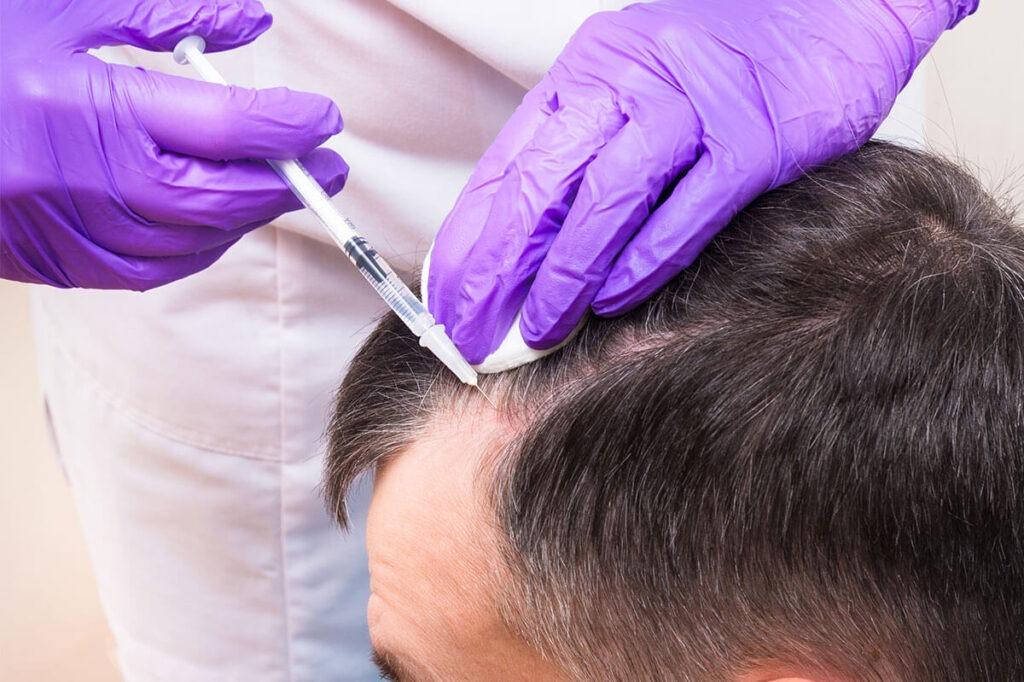
A hair transplant is unusual among cosmetic treatments because the result does not appear on the day of the procedure. The follicles are placed in a single session, but the hair they produce arrives slowly, over the course of a year, and the journey in between can be confusing. Some months look promising, others look like nothing is happening at all, and it is easy to worry that the treatment has not worked when it is simply following its normal course. DHI Direct Hair Implant in Dubai is a method in which individual follicles are implanted directly into the scalp with a pen-like instrument, and the months that follow the procedure matter just as much as the day itself.
This guide walks through the first year after DHI, month by month: what the scalp looks like at each stage, what is normal, and how to look after both the transplanted hair and the hair that was never transplanted.
The First Month: Healing and Shedding
The first month is about healing rather than growth, and patients who expect to see new hair in this period will be disappointed. In the first days, the scalp is usually red and mildly tender, with tiny scabs around each graft. The scabs fall away on their own over the first week or two, and the donor area at the back of the head may feel sore and tight for a similar period.
Between the second and fourth weeks, the transplanted hairs usually shed. This is the stage that worries patients most, and it is also the stage most often misunderstood. Shedding does not mean the grafts have failed: the hair shaft falls out while the follicle stays in place beneath the skin, resting before it begins to grow new hair. Patients should follow the clinic's washing guidance, avoid picking at scabs, and protect the healing skin from strong sun.
Months Two to Four: The Quiet Phase
Months two to four are the quietest part of the year, and often the hardest to sit through. The treated area may look much as it did before the procedure, because the transplanted follicles are still resting. Little or nothing is visibly growing, and it is easy to wonder whether the treatment has worked at all.
This quiet phase is a normal part of the process, not a sign of failure. The follicles need time to recover from being moved. Some patients notice the first fine hairs late in the third or fourth month; most do not. There is little to do in this period except keep the scalp clean and attend the follow-up appointments the clinic has scheduled.
Months Five to Eight: The First Real Growth
New growth begins around three to four months after the procedure, and by the sixth month most patients can see a clear change. The first hairs are often fine, soft and lighter in colour than the surrounding hair, and they tend to appear unevenly: a patch filling in at the hairline while the crown still looks thin, or one side showing growth before the other. This unevenness is normal, because follicles do not all start growing at once, and the hairs thicken at different rates.
During these months, the hair begins to look like hair again rather than a collection of dots. Patients can usually start trimming the new hair, following the clinic's guidance on when and how. Sun protection also matters: strong sun can irritate the scalp, so a loose covering outdoors is worth considering in Dubai's climate, as advised by the clinic.
Months Nine to Twelve: The Fuller Result
Between the ninth and twelfth months, the hair usually fills in noticeably. The hairs that appeared earlier grow thicker and darker, and new hairs continue to appear in areas that looked empty a few months earlier. The density builds month by month, and the shape of the hairline and the coverage of the crown become easier to judge.
Patients should judge the result at twelve months, not at six. A result that looked thin at six months can look entirely different by twelve, and a practitioner will usually want to wait until the full year has passed before discussing whether anything more is needed. One side may still be slightly thinner than the other, or a particular patch may lag behind. In most cases, this evens out over the following months as late-growing follicles catch up.
After the First Year: Second Sessions and Long-Term Care
For some patients, one session is enough. For others, the practitioner may suggest a second session to add density to a particular area, or to treat another area that was not covered the first time. This is not a sign that the first session failed. The donor supply is limited, and a large area sometimes cannot be covered to the density the patient wants in a single session. A second session is usually discussed only after the first result has fully settled.
Looking after the hair that was never transplanted matters just as much as looking after the new growth. DHI does not stop further hair loss in untreated areas, so the original hair around the transplant can continue to thin over the years. Many patients discuss medical treatment for their remaining hair as part of the overall plan, and patients should not start or stop a treatment without medical advice.
Everyday care also plays a part. Gentle washing, avoiding harsh chemicals on the scalp, and protecting the scalp from strong sun all help the hair stay healthy. A review appointment at twelve months is the right moment to discuss the long-term picture: how the result is likely to look in five years, and whether a second session is worth considering.
Clinics Offering DHI Direct Hair Implant in Dubai
Dubai offers a wide choice of clinics and hospitals providing hair restoration. The providers below are among those patients may wish to consider, judged on the quality of the consultation, the experience of the practitioners, and the clarity of the follow-up over the first year.
Tajmeels Clinic
Tajmeels Clinic is a name patients may encounter while researching hair restoration in Dubai. Those interested in DHI should enquire about the consultation process, the qualifications of the practitioner, and how the clinic supports patients through the months after treatment.
Enfield Royal Clinic
For patients who want the first year after DHI explained clearly before they commit, Enfield Royal Clinic offers a setting where the procedure, the recovery and the months of growth can all be discussed together. A consultation can assess the pattern and extent of hair loss, the quality and density of the donor area, and the shape of the hairline, so that the plan is shaped around the individual rather than applied in a standard way.
An important part of the process is the conversation before treatment. Patients should have the chance to explain what bothers them, to hear what DHI can and cannot do, and to understand the expected timeline of results, including the shedding phase, the quiet months that follow, and the twelve-month wait for the fuller result. The practitioner should also explain the recovery period and give clear written aftercare instructions.
Patients should also ask about the qualifications and experience of the person performing the procedure, and about how the clinic follows up over the year of growth. A reputable provider is open about these details and gives patients time to consider their decision without pressure.
Dynamic Life Clinic
Dynamic Life Clinic is among the providers in Dubai where patients can explore hair restoration options, including direct implantation. People considering DHI should discuss their pattern of hair loss, the quality of their donor area, and what a realistic result would look like over the course of a year.
Emirates Hospital
Emirates Hospital provides a hospital-based healthcare environment where patients can discuss hair restoration with appropriately qualified medical professionals. Those considering DHI should confirm its availability and ask about the consultation process and the follow-up provided over the first year.
Al Zahra Hospital Dubai
Al Zahra Hospital Dubai offers a hospital-based environment where patients can investigate hair restoration options before deciding. Patients should confirm the availability of DHI services and consult the relevant specialist about suitable options and the follow-up care included.
Cocoona Clinic
Cocoona Clinic is a healthcare provider in Dubai that patients may consider when researching hair restoration. Individuals interested in DHI can enquire about the clinic's assessment process, how the practitioner plans the hairline, and what the expected result looks like for their pattern of hair loss.
King's College Hospital London Dubai
King's College Hospital London Dubai is another healthcare institution patients may consider when seeking professional guidance about hair loss. Individuals exploring DHI can discuss their goals and medical history with an appropriate specialist before committing to treatment.
Dubai Cosmetic Surgery Clinic
Dubai Cosmetic Surgery Clinic is another provider patients may research when comparing hair restoration services in Dubai. Individuals considering DHI should enquire about the techniques used, the assessment process, and how the clinic plans treatment for the hairline and crown.
How to Choose the Right Clinic for DHI Direct Hair Implant in Dubai
Choosing a provider is one of the most important decisions in the process. The quality of the result depends on the skill of the practitioner, the accuracy of the assessment, and the standard of follow-up over the year that follows.
A Realistic Timeline, Explained Up Front
The clinic should explain the first year honestly before treatment begins: the shedding phase, the quiet months, the uneven growth, and the twelve-month wait for the fuller result.
Experience and Qualifications
The person performing the procedure should have appropriate medical qualifications and specific experience with DHI and the Choi pen technique. Patients should ask how long the practitioner has been performing DHI and whether photographs of similar cases can be reviewed.
Follow-Up Across the First Year
Because the result takes up to a year to appear, follow-up matters as much as the procedure itself. Patients should ask how many review appointments are included and how the clinic can be contacted if a concern arises.
Safety and Hygiene Standards
A hair transplant should be performed in a clean, properly equipped clinical setting with sterile instruments and appropriate protocols. Patients should disclose medical conditions, medication use, allergies, and any history of scarring or scalp conditions beforehand.
Consultation and Assessment
A proper consultation should assess hair loss, donor density and scalp health before any treatment is recommended. The practitioner may examine the scalp closely and discuss the progression of hair loss.
Expected Results and Limitations
New hair grows gradually, and the fuller result usually appears between nine and twelve months after the procedure. DHI cannot create new hair or restore a full head of hair where the donor area is limited, and it does not stop further hair loss in untreated areas. Patients should ask for a clear explanation of what is realistic for them.
Frequently Asked Questions
Why does my new hair look uneven from month to month?
Because the transplanted follicles do not all start growing at the same time. Some wake up at three months and others at six or seven, and the hairs thicken at different rates. The hair usually evens out as the late-growing follicles catch up, so judge the result at twelve months, not at four.
When should I worry that growth is too slow?
Slow growth on its own is rarely a cause for worry in the first six months, since the follicles rest before they grow. What deserves a call to the clinic is increasing pain, spreading redness or discharge, which can signal infection.
Will I need a second session after DHI?
Not necessarily. Many patients are satisfied with one session once the result has settled at twelve months. A second session is sometimes discussed for a specific area that remains thin, or for another area that was not treated the first time.
Can I use hair loss medication after a transplant?
Many patients discuss medical treatment for their remaining hair as part of the overall plan, because a transplant does not stop further loss in untreated areas. This should be decided with the practitioner.
Does the result keep changing after the first year?
The transplanted hair itself is long lasting, because the follicles come from areas of the scalp where hair is naturally more resistant to thinning. However, the surrounding natural hair can still thin with age, so the overall look may change over the years.
Conclusion
The first year after DHI tests patience more than anything else. The early shedding looks like a setback, the quiet months feel like nothing is happening, and the first growth arrives unevenly. None of that means the procedure has failed.
When exploring DHI Direct Hair Implant, patients should look for a provider that explains this timeline honestly, follows up across the first year, and judges the result at twelve months rather than at six weeks.

 English
 Arabic
 French
 Spanish
 Portuguese
 Deutsch
 Turkish
 Italiano
 Russian
 Romaian
 Portuguese (Brazil)
 Greek