


What to Avoid Before and After Microdermabrasion
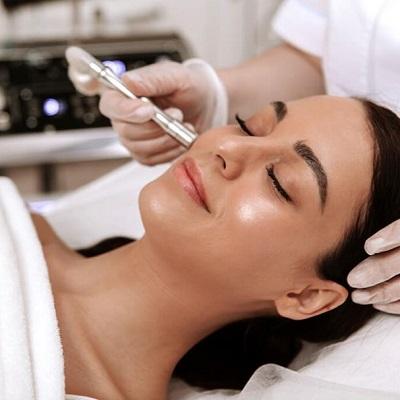
Microdermabrasion is a popular non-invasive skincare treatment that helps improve skin texture, remove dead skin cells, and promote a smoother, brighter-looking complexion. Although the procedure is generally considered safe for suitable candidates, proper preparation and aftercare play an important role in achieving satisfying results. Knowing what to avoid before and after treatment can help minimise irritation, protect the skin barrier, and support a comfortable recovery.
The treatment works by gently exfoliating the outermost layer of the skin using a specialised device. While this process can help reduce surface dullness and improve the appearance of uneven texture, it may also leave the skin temporarily more sensitive. Certain skincare ingredients, cosmetic procedures, and lifestyle habits can increase the possibility of redness, dryness, or irritation if they are not managed properly.
Individuals considering Microdermabrasion in Oman can benefit from understanding the recommended precautions before scheduling a session. A suitable preparation routine and careful post-treatment skincare can help maintain skin comfort while supporting the overall benefits of the procedure.
1. What to Avoid Before Microdermabrasion
Preparing the skin before microdermabrasion is essential because the treatment involves physical exfoliation. Skin that is already irritated, dry, or inflamed may be more vulnerable to unwanted reactions. Avoiding certain activities and products before the session can help reduce unnecessary stress on the skin.
Avoid Harsh Exfoliating Products
Exfoliating products such as facial scrubs, exfoliating brushes, and products containing strong acids can make the skin more sensitive. Using these products immediately before microdermabrasion may increase the risk of redness, irritation, and excessive exfoliation.
Common products to discuss with a skincare professional include:
-
Glycolic acid.
-
Salicylic acid.
-
Lactic acid.
-
Retinol and prescription retinoids.
-
Physical facial scrubs.
-
Exfoliating cleansing brushes.
The recommended period for avoiding these products depends on their strength, frequency of use, and the individual's skin condition. Professional instructions should always take priority over general guidelines.
Avoid Excessive Sun Exposure
Sun exposure can cause inflammation, redness, and skin damage. Undergoing microdermabrasion on recently sunburned or irritated skin may increase discomfort and the likelihood of complications.
Individuals should avoid tanning beds and excessive direct sunlight before their appointment. Regular sunscreen use and protective clothing can help maintain healthier skin.
If the skin develops sunburn, peeling, or unusual sensitivity, the treatment should generally be postponed until the area has recovered.
Avoid Waxing and Aggressive Hair Removal
Waxing, threading, and other aggressive hair-removal methods can temporarily irritate the skin. When performed too close to a microdermabrasion session, these activities may increase sensitivity and discomfort.
Individuals should inform the skincare professional about recent hair-removal treatments, particularly if the treatment area is the face.
Avoid Other Intensive Cosmetic Treatments
Combining multiple exfoliating or resurfacing treatments within a short period can place unnecessary stress on the skin. Chemical peels, laser procedures, and other intensive cosmetic treatments may require a suitable recovery interval before microdermabrasion.
A professional assessment can help determine the appropriate timing between procedures.
Avoid Trying New Skincare Products
Introducing unfamiliar skincare products shortly before a session can make it difficult to identify the cause of unexpected irritation or allergic reactions.
It is generally better to maintain a familiar, gentle skincare routine before treatment. Products that cause itching, burning, redness, or dryness should be discussed during the initial assessment.
2. What to Avoid Immediately After Microdermabrasion
After microdermabrasion, the skin may appear slightly pink and feel more sensitive than usual. This is generally temporary, but the outer skin barrier needs time to recover.
During this period, avoiding irritating products and activities is particularly important.
Avoid Strong Active Ingredients
The skin may be more reactive immediately after exfoliation. Products containing strong active ingredients can increase the possibility of irritation.
These include:
-
Retinol and other retinoids.
-
Glycolic acid.
-
Salicylic acid.
-
Strong vitamin C formulations.
-
Benzoyl peroxide.
-
Concentrated exfoliating serums.
Such products should only be reintroduced when the skin has recovered and professional guidance indicates that it is appropriate.
Avoid Physical Scrubbing
Using abrasive scrubs, cleansing brushes, exfoliating gloves, or rough towels immediately after microdermabrasion can cause additional irritation.
Because the treatment has already removed surface dead skin cells, additional mechanical exfoliation is unnecessary. Gentle cleansing with clean hands is generally a better option during the recovery period.
Avoid Touching or Picking the Skin
Frequent touching, rubbing, or scratching can irritate the treated area. Picking at any dry or flaky patches may also interfere with the skin's natural recovery process.
Keeping the hands clean and allowing the skin to recover naturally can help reduce unnecessary irritation.
Avoid Applying Harsh or Fragranced Products
Some skincare products contain fragrances, alcohol, or other ingredients that may irritate freshly exfoliated skin.
A simple routine with a gentle cleanser and moisturiser is generally preferable. Products designed for sensitive skin may be helpful, provided their ingredients are suitable for the individual.
3. Lifestyle Habits to Avoid After Microdermabrasion
Skincare products are not the only factors that influence recovery. Certain everyday activities can also contribute to redness, discomfort, or sensitivity after treatment.
Avoid Excessive Heat
Hot environments can increase facial flushing and discomfort. Immediately after microdermabrasion, it is sensible to avoid activities that expose the treated skin to excessive heat.
These may include:
-
Saunas and steam rooms.
-
Very hot showers.
-
Hot yoga.
-
Steam-based facial treatments.
-
Prolonged exposure to intense heat.
Lukewarm water is generally a gentler choice when cleansing the face.
Avoid Intense Physical Exercise Immediately After Treatment
Strenuous exercise can increase body temperature and sweating. Although ordinary physical activity does not necessarily cause complications, excessive sweating and facial heat may aggravate temporary skin sensitivity.
Individuals may be advised to postpone intense workouts until their skin feels comfortable and any immediate redness has settled.
Avoid Swimming in Chlorinated Pools
Chlorinated swimming pools may irritate freshly treated skin. Swimming in public pools immediately after microdermabrasion may also expose the skin to additional environmental irritants.
It is sensible to wait until the skin has recovered before returning to swimming activities.
Avoid Direct Sunlight
Sun protection is one of the most important parts of microdermabrasion aftercare. Exfoliated skin may be temporarily more vulnerable to ultraviolet exposure.
Excessive sunlight can contribute to irritation and increase the risk of pigmentation changes, particularly in individuals prone to uneven skin tone.
Broad-spectrum SPF 30 or higher, protective clothing, and shade are recommended. Sunscreen should be reapplied according to its instructions, especially during prolonged outdoor exposure.
4. Essential Skincare Practices to Follow After Microdermabrasion
While knowing what to avoid is important, following a suitable skincare routine is equally valuable. Gentle products and consistent hydration can help maintain skin comfort during recovery.
Use a Gentle Cleanser
A mild, fragrance-free cleanser can remove everyday impurities without unnecessarily stripping the skin. Harsh cleansing products and excessive washing should be avoided.
The face should be cleansed using lukewarm water and gently patted dry with a clean, soft towel.
Apply a Moisturiser
Moisturising helps reduce dryness and supports the skin's natural protective barrier.
Ingredients commonly found in suitable moisturisers include:
-
Ceramides: Help support the skin barrier.
-
Hyaluronic acid: Helps attract and retain moisture.
-
Glycerin: Supports skin hydration.
-
Panthenol: Helps soothe and moisturise the skin.
A lightweight, non-irritating moisturiser may be suitable for most skin types, although individual product tolerance can vary.
Use Sunscreen Every Day
Daily sun protection helps reduce the risk of UV-related skin damage and pigmentation changes.
A broad-spectrum sunscreen with SPF 30 or higher is generally recommended. Individuals should choose a formulation that suits their skin type and does not cause irritation.
For outdoor activities, sunscreen should be reapplied as directed, and additional protection such as hats and shade can be useful.
Keep the Skincare Routine Simple
The days following microdermabrasion are not the ideal time to experiment with multiple new skincare products.
A simple routine generally includes:
-
Gentle cleansing.
-
Application of a suitable moisturiser.
-
Broad-spectrum sunscreen during the daytime.
Additional active ingredients should only be introduced after the skin has recovered and according to professional advice.
5. How Long Should Certain Products and Activities Be Avoided?
The recovery period following microdermabrasion varies depending on skin type, treatment intensity, and individual sensitivity. Some people experience only mild redness, while others may notice temporary dryness or increased sensitivity.
The following table provides general guidance. It is not a substitute for personalised aftercare instructions.
| Product or activity | General precaution |
|---|---|
| Retinol and retinoids | Pause according to professional instructions and until the skin has recovered |
| Chemical exfoliants | Avoid until redness and sensitivity have settled |
| Physical facial scrubs | Avoid during the initial recovery period |
| Waxing and threading | Allow adequate time before and after treatment |
| Sun exposure | Minimise exposure and use daily sunscreen |
| Saunas and steam rooms | Avoid until the skin feels comfortable |
| Swimming | Wait until the skin has recovered |
| Strong active serums | Reintroduce gradually with professional guidance |
There is no single recovery timeline that applies to everyone. A person with resilient skin may recover more quickly than someone with dryness or sensitivity.
If the skin develops persistent redness, increasing discomfort, blistering, or unusual swelling, professional medical advice should be sought rather than continuing the usual skincare routine.
6. Common Mistakes That Can Affect Microdermabrasion Results
Even when the procedure is performed appropriately, certain aftercare mistakes can affect the skin's recovery and overall appearance.
Over-Exfoliating the Skin
One of the most common mistakes is using additional exfoliating products shortly after treatment. Microdermabrasion already removes surface dead skin cells, so repeating exfoliation too soon may weaken the skin barrier and increase irritation.
Skipping Sunscreen
Failing to protect the skin from sunlight can increase the risk of sun damage and pigmentation changes. Daily sunscreen use is essential, even when the weather appears cloudy.
Using Too Many Skincare Products
Applying several serums, masks, and active treatments immediately after microdermabrasion can overwhelm sensitive skin. A simple, consistent routine is generally more suitable during recovery.
Ignoring Signs of Irritation
Some temporary redness may be expected, but worsening discomfort should not be ignored. Individuals should contact a qualified healthcare professional if unusual or persistent symptoms develop.
Expecting Immediate Results
Microdermabrasion can make the skin appear smoother and brighter, but results vary. Improvements in texture and overall appearance may become more noticeable over time, depending on the individual's skin concerns and treatment plan.
Understanding realistic expectations helps individuals make informed decisions about their skincare journey.
Frequently Asked Questions (FAQs)
1. How Many Days Before Microdermabrasion Should Exfoliating Products Be Avoided?
The recommended period depends on the strength of the product and the individual's skin sensitivity. Strong exfoliating acids, retinoids, and physical scrubs may need to be paused several days before treatment. The exact timing should be confirmed during the professional skin assessment.
2. Can Someone Wear Makeup Immediately After Microdermabrasion?
It is generally advisable to allow the skin to settle before applying makeup. Some individuals may be able to resume wearing makeup relatively soon, while others may need to wait longer depending on their skin's response. Gentle, non-irritating products should be preferred when makeup is resumed.
3. Can Retinol Be Used After Microdermabrasion?
Retinol should generally be avoided immediately after treatment because freshly exfoliated skin may be more sensitive. It can be reintroduced gradually once the skin has recovered and a skincare professional confirms that it is appropriate.
4. Is It Safe to Go Outside After Microdermabrasion?
Yes, individuals can generally go outside after treatment, but sun protection is essential. Broad-spectrum SPF 30 or higher, protective clothing, and shade can help reduce UV exposure. Prolonged direct sunlight should be avoided, particularly during the initial recovery period.
5. Can Someone Exercise After Microdermabrasion?
Light daily activities are generally acceptable. However, intense exercise that causes excessive sweating, heat, and facial flushing may be best postponed until the skin has settled. Individual aftercare recommendations may vary.
6. What Happens If Someone Uses Exfoliating Products Too Soon After Microdermabrasion?
Using exfoliating products too early may cause redness, dryness, burning sensations, irritation, or increased skin sensitivity. Excessive exfoliation can also interfere with the skin barrier's recovery. If irritation develops, active products should be stopped and professional advice sought.
Final Thoughts
Microdermabrasion can help improve skin texture, reduce surface dullness, and create a smoother-looking complexion. However, proper preparation and aftercare are essential for supporting the skin and reducing the possibility of unwanted reactions.
Avoiding harsh exfoliants, excessive sun exposure, aggressive hair removal, and intensive cosmetic treatments before a session can help prepare the skin. After treatment, gentle cleansing, regular moisturising, daily sunscreen, and temporary avoidance of irritating ingredients can support recovery.
Every individual's skin responds differently, so personalised professional guidance remains important. By following appropriate precautions and maintaining a consistent skincare routine, individuals can make the most of their microdermabrasion experience while prioritising long-term skin health.
Read More About Microdermabrasion: https://montesite.com/blogs/842/Microdermabrasion-for-Dry-Skin-Benefits-and-Safety

 English
 French
 Spanish
 Portuguese
 Deutsch
 Turkish
 Dutch
 Italiano
 Russian
 Romaian
 Portuguese (Brazil)
 Greek