


Peptide Stacks: Research Trends, Potential Applications, and Important Considerations
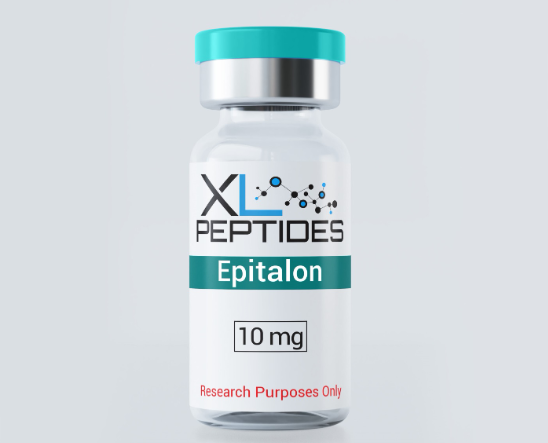
Peptides have become an increasingly important subject in scientific research, particularly in areas involving cellular communication, biological processes, tissue function, and metabolic activity. As researchers continue exploring different peptide compounds, interest has also grown in combining multiple peptides for research purposes. These combinations are commonly referred to as peptide stacks.
The concept involves studying two or more peptides together to investigate their individual properties, possible interactions, and combined biological effects. Rather than focusing on a single compound, researchers can examine how different peptides may influence related biological pathways. However, this approach requires careful planning, scientific evaluation, and an understanding of potential risks.
Understanding current research trends, possible applications, and important considerations can help readers develop a more informed perspective on this evolving area of peptide science.
Understanding Peptide Combinations
Peptides are short chains of amino acids connected through peptide bonds. They perform numerous functions throughout the body, including participating in cellular signaling, hormone regulation, immune responses, and other biological activities.
Different peptides have different structures and biological properties. Some are investigated for their relationship with metabolic pathways, while others are studied for cellular repair mechanisms, inflammatory responses, or tissue-related processes.
When researchers investigate multiple compounds together, they may be exploring whether their biological activities overlap, differ, or influence one another. This research approach is particularly interesting because biological systems are complex, and individual compounds do not always produce effects independently.
However, combining substances does not automatically create better results. Each combination requires separate investigation to establish its safety, effectiveness, and biological relevance.
Current Research Trends in Peptide Science
Peptide research continues to develop across several scientific disciplines. Advances in biotechnology, molecular biology, and analytical testing have created new opportunities to investigate peptide structures and their potential functions.
One important trend is the investigation of peptides involved in cellular signaling. Researchers are examining how specific amino acid sequences interact with receptors and influence communication between cells. This work may improve scientific understanding of various physiological processes.
Another growing research area involves metabolic regulation. Certain peptides are being investigated for their relationships with appetite signaling, glucose metabolism, energy balance, and hormonal pathways. These studies contribute to broader knowledge of metabolic biology.
Researchers are also exploring tissue-related processes, including cellular growth, inflammatory signaling, and wound-healing mechanisms. Such investigations are helping scientists understand how different biological pathways interact during recovery and normal tissue maintenance.
Advanced laboratory techniques are making it easier to study peptide stability, molecular interactions, and biological activity. These developments may support more precise research into individual compounds and combinations.
Potential Applications Being Investigated
The scientific interest in combining peptides comes from the possibility of studying multiple biological pathways within the same research framework. Several areas are receiving attention.
1. Tissue Repair and Cellular Research
Some peptides are being investigated for their relationship with tissue maintenance, cellular signaling, and inflammatory responses. Researchers are interested in understanding whether different biological mechanisms can influence the processes involved in tissue recovery.
However, findings from laboratory experiments and animal studies cannot automatically be applied to humans. More controlled clinical research is necessary to establish meaningful outcomes.
2. Metabolic and Hormonal Research
Metabolic regulation is another important area of peptide science. Researchers investigate how certain peptide compounds interact with hormonal pathways associated with appetite, glucose regulation, and energy balance.
Studying multiple pathways may help scientists understand the relationships between different metabolic signals. Nevertheless, combining compounds does not guarantee improved metabolic outcomes.
3. Muscle and Physical Performance Research
Another area of interest involves biological processes associated with muscle function, physical activity, and recovery. Researchers are exploring how signaling molecules participate in muscle-related processes and how these mechanisms respond to different experimental conditions.
It is important to distinguish scientific investigation from commercial performance claims. There is currently insufficient clinical evidence to establish that commonly promoted peptide combinations improve athletic performance or muscle recovery.
4. Inflammation and Immune System Research
Peptides also participate in biological processes connected with immune signaling and inflammation. Researchers are studying how specific compounds interact with these pathways and whether their biological properties could contribute to future therapeutic developments.
This research may provide valuable information about cellular communication and inflammatory regulation, although the effectiveness of individual combinations remains uncertain.
Understanding the Evidence Behind Combinations
One of the most important aspects of researching peptide stacks is understanding the difference between theoretical potential and demonstrated effectiveness.
A peptide may show interesting biological activity in laboratory research. However, this does not prove that combining it with another peptide will produce additional benefits.
For a combination to be scientifically validated, researchers need to investigate each component independently and then evaluate the complete combination. Appropriate studies should compare individual treatments, combined treatments, and control groups.
The results should also examine possible interactions, adverse reactions, and long-term safety.
A lack of direct clinical evidence is particularly important because many combinations discussed online have not undergone controlled human trials. Consequently, claims about enhanced results should be treated cautiously.
Peptides FYI+1
Important Safety and Quality Considerations
Safety should remain a priority whenever peptide compounds are discussed. Combining multiple substances can introduce uncertainties that may not exist when studying a single compound.
Some important considerations include:
- Potential interactions: Different compounds may influence overlapping biological pathways or produce unexpected interactions.
- Limited human evidence: Laboratory and animal findings do not establish safety in humans.
- Product quality: Purity, contamination, incorrect labeling, and manufacturing inconsistencies can affect research reliability.
- Regulatory status: Research compounds are not automatically approved medicines, and their availability does not establish that they are safe for human use.
- Long-term uncertainty: Limited follow-up research makes it difficult to understand possible long-term effects.
The US Food and Drug Administration (FDA) has identified safety concerns involving several peptide substances, including potential immunogenicity, peptide-related impurities, and insufficient human safety information. It has also highlighted specific concerns associated with certain compounds.
FDA+1
For these reasons, experimental combinations should not be treated as established treatments or self-directed health protocols. Anyone considering a peptide-related medical intervention should consult a qualified healthcare professional.
The Future of Peptide Combination Research
The future of this research area will depend on better clinical evidence, improved laboratory methods, and more consistent quality standards.
Researchers may increasingly focus on understanding how individual compounds interact, identifying possible overlapping mechanisms, and determining whether particular combinations offer measurable advantages.
More rigorous clinical trials could help answer important questions about effectiveness, tolerability, and appropriate medical applications. Researchers will also need to investigate how factors such as peptide stability, molecular structure, and formulation influence experimental outcomes.
Another important development is the improvement of analytical technologies. Advanced testing methods can help identify impurities, evaluate molecular characteristics, and improve the consistency of research materials.
Ultimately, scientific progress will depend on transparent reporting and evidence-based evaluation rather than assumptions based on popularity or marketing claims.
The Role of Adonis Elite Peptides
Adonis Elite Peptides is a brand associated with the peptide research market. As interest in peptide science continues to expand, access to clear product information and educational resources becomes increasingly important.
Discussions surrounding peptide compounds should emphasize transparency, product identity, quality considerations, and responsible research practices. Customers and researchers should carefully review product descriptions, applicable regulatory requirements, and available scientific information rather than assuming that marketed combinations have proven clinical benefits. Responsible communication and an evidence-focused approach can help readers better understand this developing field.
Conclusion
Peptide research represents an evolving scientific field with potential applications across metabolic biology, tissue-related research, cellular signaling, and inflammation. Although combining different compounds creates interesting research questions, the effectiveness and safety of most peptide stacks remain insufficiently established.
Future studies will need to determine whether these combinations offer genuine advantages over individual compounds. Until stronger clinical evidence becomes available, claims about peptide stacks should be evaluated carefully, with particular attention to product quality, regulatory status, and potential health risks.
A responsible approach to peptide stacks means prioritizing scientific evidence over marketing promises and recognizing the importance of properly conducted research.

 English
 Arabic
 French
 Portuguese
 Deutsch
 Turkish
 Dutch
 Italiano
 Russian
 Romaian
 Portuguese (Brazil)
 Greek