


Lyophilised Peptides in the Lab: What the Epitalon Peptide Teaches About Quality and Handling
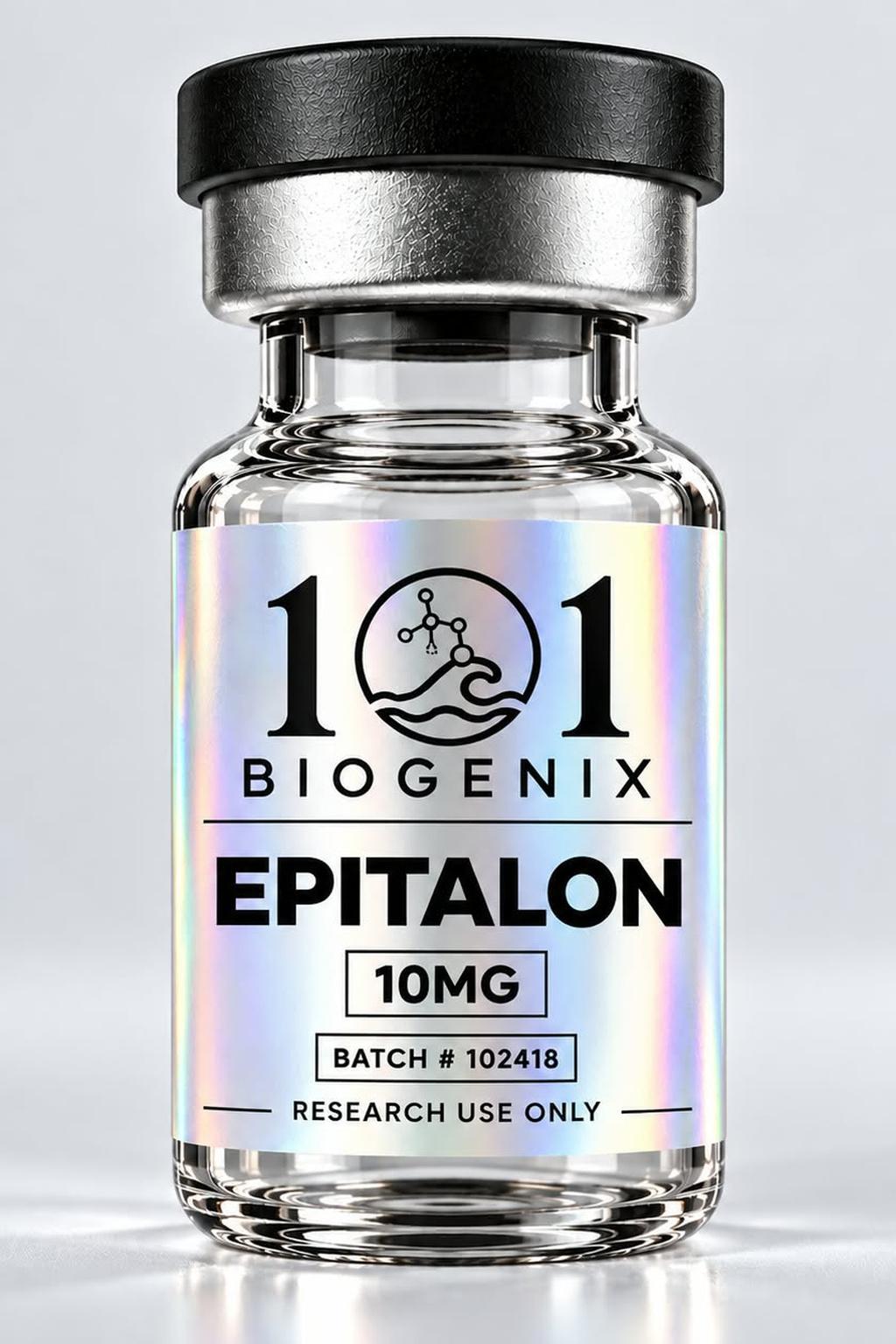
Anyone who has worked at a bench knows the moment a new reagent arrives. You check the label, look at the paperwork, and wonder whether the material inside will behave the way the document says it should. With peptides, that moment carries extra weight, because the compound is tiny, the quantity is small, and a mistake is hard to see.
This article uses the epitalon peptide as a worked example of general peptide handling. The lessons apply to many short peptides, and none of them involve claims about use in people. Everything below is about analysis, storage, and sourcing for legitimate laboratory work.
What Lyophilisation Actually Does
Lyophilisation is the scientific word for freeze-drying. The peptide solution is frozen and then the water is removed under low pressure, leaving a dry powder or cake in the vial. Removing water makes the material more stable during transport and storage, which is why research peptides are so often supplied this way.
The dry form is not indestructible, though. Moisture from humid air can still creep in once a vial is opened or poorly sealed. That is why careful labs limit how often a vial is opened and keep a record of each time it is handled.
How Purity Gets Measured
Two techniques show up on most peptide certificates. High-performance liquid chromatography, often written as HPLC, separates the components of a sample and shows what share of the signal belongs to the main compound. Mass spectrometry measures the mass of the molecules, which helps confirm that the main compound is the one on the label.
A purity percentage on its own does not tell the whole story. Ask which method was used, which date the test was run, and whether the result refers to the batch you actually received. A clear certificate answers all three questions without being asked.
Why Batch Traceability Matters
A batch is a single production run, and two batches of the same compound can differ slightly. If your experiment gives a surprising result, you need to know which batch you used. Without a batch number, you cannot compare notes with a colleague, repeat the work later, or ask the supplier a precise question.
The 101 Biogenix product page makes this point itself. It tells researchers to treat the batch documentation as the primary reference, because specifications may vary between batches. That is a sensible attitude for any buyer to adopt, whoever the supplier happens to be.
Handling Habits That Protect Your Data
Before Opening
Many labs let a vial reach room temperature before opening it if it has been stored cold, so that condensation does not form on the contents. Wipe down the work area, label everything, and keep your documentation open beside you. Small steps like these cost a minute and prevent many avoidable errors.
After Opening
Write down the date, the batch number, and anything unusual about the powder’s appearance. Reseal the vial promptly and return it to the storage conditions given in the supplier’s paperwork. If something looks different from what the certificate or listing describes, stop and contact the supplier before going further.
Choosing Where to Buy
Many buyers begin by searching for epitalon australia options because local dispatch shortens the journey a vial has to make. The 101 Biogenix store lists same day AusPost Express dispatch for orders placed before 2pm, a COA page, and a support email address. Those are practical features, and each one is worth confirming for yourself at the time of purchase.
Beyond logistics, look at tone. A supplier that repeats its research-use-only position, shows its access acknowledgement, and avoids promises about outcomes is behaving the way a laboratory partner should. A supplier that does the opposite is asking you to take a risk you do not need to take.
Putting Context Around the Science
The background of this compound is interesting. It is a four-amino-acid chain linked to earlier work on a pineal extract, and most published attention has been on cell and animal models connected to telomeres. But interesting background is not the same as proven benefit, and responsible writers keep that line clear.
If you are reading studies yourself, note the sample size, the model, and any conflicts of interest. Ask whether results have been repeated by independent groups. Science earns trust through repetition, not through confident language.
A Practical Takeaway
Strip away the jargon and good peptide work rests on four things: a clearly labelled research product, a readable Certificate of Analysis, careful handling, and honest records. None of these is glamorous. Each habit is simple to adopt. All of them protect the quality of your results and the credibility of your project. Start with the paperwork, respect the vial, and let the evidence speak for itself.

 English
 Arabic
 French
 Spanish
 Portuguese
 Turkish
 Dutch
 Italiano
 Russian
 Romaian
 Portuguese (Brazil)
 Greek