


How Does compositemould Review Tooling Needs for Quotation?
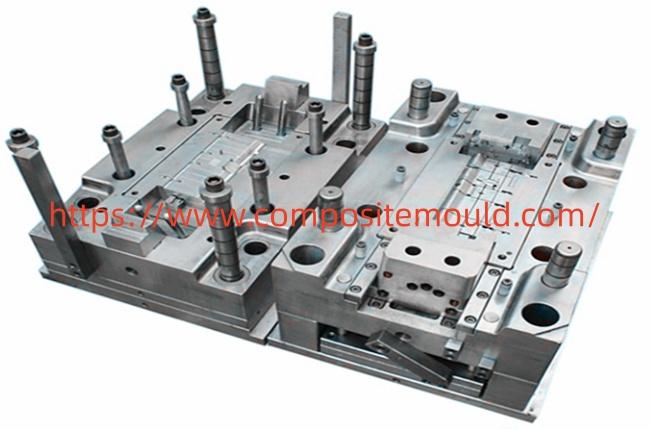
SMC Mould purchasing involves several decisions beyond the initial quotation. Buyers need to consider how the tooling project will be organized, how technical information will be managed, and what support will be available after delivery. For manufacturers and procurement teams, these details can influence project coordination, production preparation, and long-term operating arrangements. A clear evaluation process also helps both parties establish realistic expectations before manufacturing begins.
Prepare a Complete Request for Quotation
A detailed request for quotation gives the manufacturer a clearer understanding of the intended project. Buyers should prepare product drawings, three-dimensional files, estimated dimensions, application information, and expected production quantities whenever these details are available.
It is also useful to identify the current design revision. If several drawing versions are circulating between engineering and purchasing departments, the supplier may evaluate outdated information. A controlled document package helps reduce misunderstandings during technical discussions.
Buyers can also describe the intended production environment, including the available press, operating conditions, and expected output. These details help the manufacturer review whether the proposed tooling arrangement matches the customer's actual requirements.
Discuss Project Responsibilities Before Ordering
A tooling project usually involves several stages, from design review and machining to assembly, trial production, inspection, and shipment. Buyers should understand which activities are included in the supplier's quotation and which responsibilities remain with their own engineering or production teams.
For example, clarify who approves the technical drawings, who provides material specifications, and who confirms sample acceptance. If modifications become necessary during development, both parties should understand how the changes will be reviewed and recorded.
A written responsibility list can make communication easier when several departments participate in the purchasing process. It also provides a practical reference for tracking project progress and resolving questions.
Review the Proposed Manufacturing Schedule
Delivery planning deserves attention before an order is confirmed. Instead of considering only the estimated completion date, buyers should request a schedule showing the major development stages.
The schedule may include drawing confirmation, design approval, material preparation, machining, assembly, trial arrangements, inspection, and packing. Each stage should have a clear milestone so that the buyer can follow progress without relying on occasional informal updates.
It is also worth asking how the supplier communicates unexpected delays. Changes in drawings, component availability, or trial requirements may affect the original schedule. A documented update procedure helps both teams discuss adjustments and coordinate their next actions.
Clarify Tooling Ownership and Documentation
Tooling ownership is an important commercial matter, particularly when a customer invests in customized manufacturing equipment. Before signing the purchase agreement, buyers should confirm ownership terms, identification methods, storage arrangements, and conditions for future transfer.
Technical documentation should also be discussed. Depending on the project agreement, relevant records may include approved drawings, assembly information, inspection reports, component lists, and maintenance instructions.
These records can help the buyer organize internal production management and communicate with service personnel when adjustments are required. If the tooling will remain at an external production facility, the agreement should explain how access, storage, and maintenance responsibilities are handled.
Ask About Maintenance and Replaceable Components
Maintenance planning can influence the practical service life of industrial tooling. Buyers should ask which areas require routine inspection, how cleaning should be performed, and which components may need periodic replacement.
Guide elements, fasteners, heating-related parts, moving mechanisms, and other wear-sensitive areas may require attention according to the actual design and operating conditions. The manufacturer should explain the recommended inspection approach rather than providing only a general maintenance statement.
Spare component availability is another useful subject. Buyers can discuss whether commonly replaced parts can be supplied separately and whether identification information will be provided. Preparing these arrangements before production starts can make future maintenance planning easier.
Establish a Practical Acceptance Procedure
Before the tooling is released, both parties should agree on how acceptance will be conducted. A clear procedure may cover dimensional checks, appearance requirements, operating functions, sample quantities, and the documents needed for approval.
Buyers should also distinguish between visual confirmation and measurable inspection results. For critical dimensions, the inspection method and permitted tolerances should be stated in the technical agreement. This reduces the possibility of different interpretations during sample evaluation.
Trial records can provide useful information about actual operating conditions. Buyers may request relevant observations, sample inspection results, and a list of outstanding issues. Any required correction should have an assigned responsibility and a clear follow-up arrangement.
Evaluate Communication and Long-Term Support
A supplier relationship does not necessarily end when the tooling is shipped. Future production may involve technical questions, maintenance requests, design adjustments, or additional orders. Buyers should therefore consider how the manufacturer handles communication after delivery.
Ask whether technical inquiries can be directed to an appropriate project contact and how drawings or specifications are updated when changes occur. It is also useful to confirm the process for requesting replacement components or discussing later modifications.
For overseas customers, communication arrangements and document clarity deserve particular attention. Consistent project records can help teams in different locations work from the same technical information and avoid unnecessary confusion.
For buyers comparing manufacturing partners, a structured evaluation should cover quotation details, project responsibilities, schedules, ownership terms, maintenance arrangements, acceptance procedures, and ongoing communication. These considerations help turn an initial purchase into a more organized manufacturing project. As a manufacturer, compositemould works with customers on tooling requirements and project-related discussions. Buyers interested in available products and manufacturing information can visit https://www.compositemould.com/product/ to review the relevant options and prepare for their next purchasing discussion.

 English
 Arabic
 French
 Spanish
 Portuguese
 Deutsch
 Turkish
 Italiano
 Russian
 Romaian
 Portuguese (Brazil)
 Greek