


What Happens During a Professional Dental Filling Procedure?
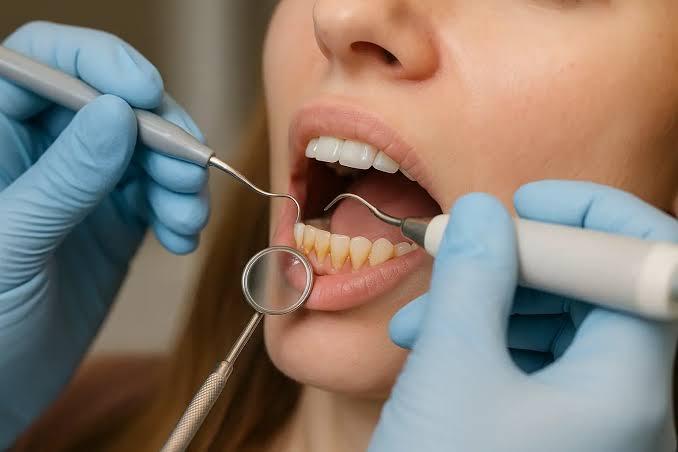
What Are Dental Tooth Fillings?
Dental fillings are restorative materials used to repair teeth affected by cavities, minor fractures, or other forms of damage. When bacteria produce acids that weaken tooth enamel, small holes can develop in the tooth. If these cavities are not treated, decay may spread into deeper layers and cause pain or infection.
A dental filling restores the affected area after the dentist removes the decayed portion. It seals the space, protects the remaining tooth structure, and helps the tooth function normally.
Common Types of Dental Fillings
Different filling materials are available depending on the location of the cavity, the extent of damage, and individual dental needs.
-
Composite fillings: These tooth-coloured materials blend naturally with surrounding teeth and are commonly used for visible areas.
-
Amalgam fillings: Made from a mixture of metals, these fillings are known for their durability.
-
Ceramic fillings: These offer a natural appearance and are resistant to staining.
-
Glass ionomer fillings: These materials can release fluoride, helping support protection against further decay.
Your dentist can recommend a suitable option after examining your teeth.
How Can Dental Fillings Improve Your Oral Health?
Dental fillings provide several important benefits that go beyond repairing visible cavities. They help maintain the structure, strength, and functionality of natural teeth.
1. Prevent Further Tooth Decay
One of the main benefits of dental fillings is stopping existing cavities from progressing. When decayed tissue is removed and the affected area is sealed, bacteria have fewer opportunities to damage the remaining tooth structure.
Early treatment can prevent more extensive dental procedures and help preserve natural teeth.
2. Restore Normal Chewing Function
Cavities and damaged teeth can make chewing uncomfortable, especially when eating hard or crunchy foods. A properly placed filling restores the tooth's shape and helps distribute biting pressure more evenly.
This allows you to enjoy everyday meals without unnecessary discomfort caused by the damaged area.
3. Reduce Tooth Sensitivity
Tooth decay can expose sensitive inner layers, making teeth react painfully to hot, cold, or sweet foods and drinks.
A dental filling covers the affected area and protects exposed tooth structures. As a result, many people experience reduced sensitivity after treatment, although the improvement depends on the depth of the cavity.
4. Preserve Natural Teeth
Keeping your natural teeth for as long as possible is an important part of maintaining good oral health. Treating cavities with fillings helps prevent damage that might otherwise require more complicated procedures.
Early restoration can reduce the likelihood of needing treatments such as root canal therapy or tooth extraction.
When Should You Consider Getting a Dental Filling?
Recognising the early signs of tooth decay can help you seek treatment before the problem becomes more serious. Some cavities develop without noticeable symptoms, which is why regular dental examinations are essential.
Common signs that may indicate the need for a filling include:
-
Tooth sensitivity when consuming hot or cold foods.
-
Pain when biting or chewing.
-
Visible dark spots or holes on the tooth.
-
Food frequently getting trapped in a particular area.
-
Persistent discomfort in one tooth.
-
Rough or damaged tooth surfaces.
Why Early Treatment Matters
Ignoring a cavity can allow bacteria to move deeper into the tooth. Once decay reaches the pulp, which contains nerves and blood vessels, more extensive treatment may become necessary.
Visiting a dentist when symptoms first appear makes it easier to identify problems and discuss appropriate treatment options.
What Happens During a Dental Filling Procedure?
Dental filling treatment is generally straightforward and can often be completed during a single appointment. The exact process depends on the condition of the tooth and the selected filling material.
Step 1: Examination and Diagnosis
The dentist examines the affected tooth and may use dental X-rays to determine how far the decay has spread.
Step 2: Removing Decayed Tissue
The damaged portion of the tooth is carefully removed to create a clean space for the filling.
Step 3: Placing the Filling Material
The selected material is applied to the prepared area. Composite fillings are usually placed in layers and hardened using a special curing light.
Step 4: Shaping and Polishing
Finally, the dentist shapes the filling to match the natural tooth structure and checks your bite to ensure comfort.
How Can You Maintain Your Fillings and Protect Your Teeth?
Although fillings restore damaged teeth, good oral hygiene remains essential. Natural tooth surfaces around a filling can still develop cavities if plaque and bacteria are not properly controlled.
Follow these simple habits to maintain your dental health:
-
Brush twice daily with fluoride toothpaste.
-
Floss regularly to remove food particles between teeth.
-
Limit sugary snacks and acidic beverages.
-
Drink enough water throughout the day.
-
Visit your dentist for routine examinations.
-
Avoid chewing hard objects such as ice or pen caps.
-
Contact your dentist if a filling feels loose, cracked, or uncomfortable.
Regular dental visits also help identify worn fillings that may need repair or replacement.
Conclusion
Dental fillings play an important role in maintaining oral health by repairing cavities, restoring chewing function, reducing sensitivity, and protecting natural teeth from further damage. Addressing tooth decay early can help prevent complications and reduce the need for more extensive dental procedures. By combining timely treatment with proper oral hygiene and regular dental check-ups, you can maintain stronger teeth and a healthier smile for years to come. Choosing the right filling material and following professional dental advice are essential steps towards long-term oral health.

 English
 French
 Spanish
 Portuguese
 Deutsch
 Turkish
 Dutch
 Italiano
 Russian
 Romaian
 Portuguese (Brazil)
 Greek