


Starting a Business in India in 2027? Why Should Your Startup Have a Website?
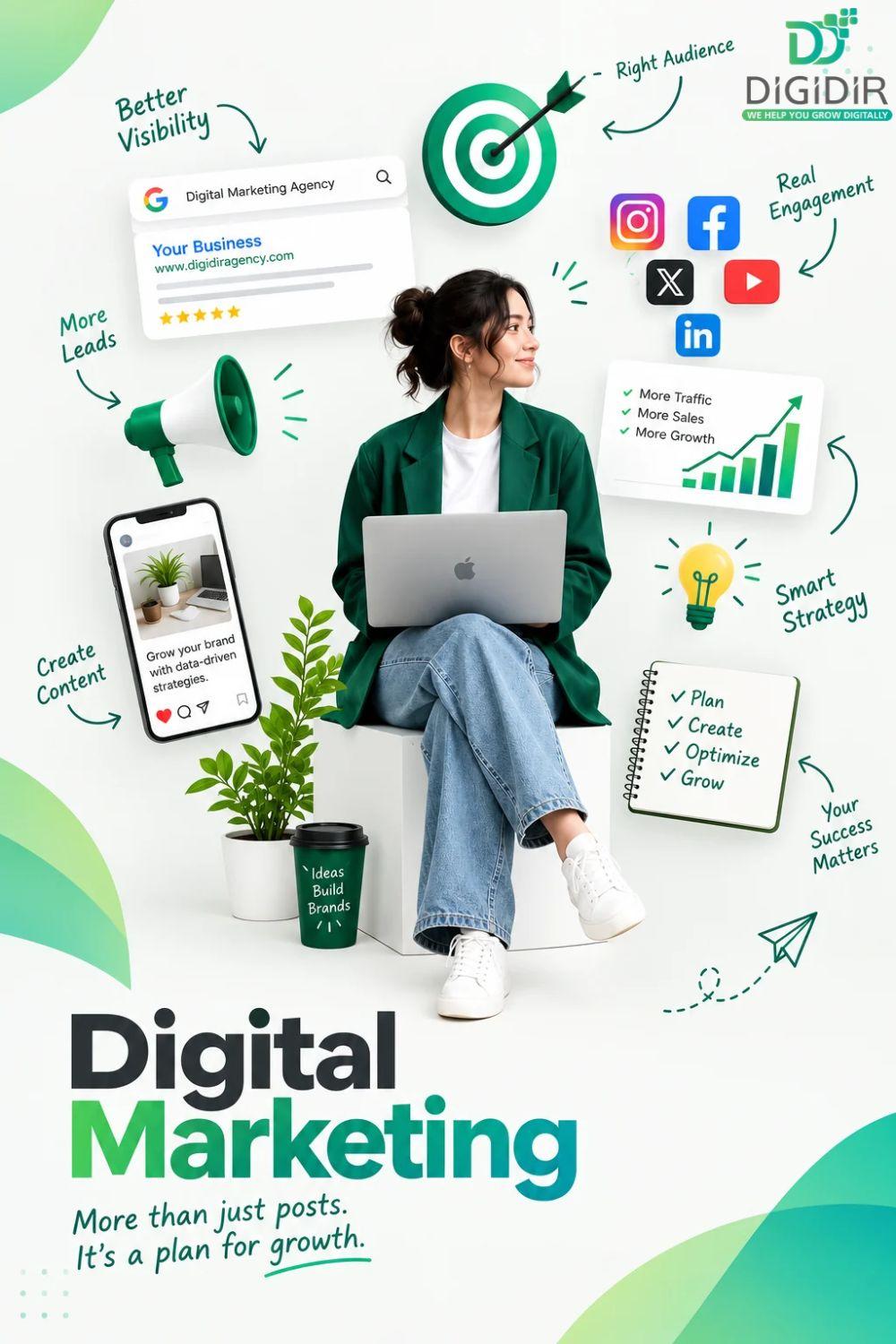
Starting a business in India in 2027 involves more than developing a product or offering a service. New businesses also need to establish credibility, reach potential customers, and build a recognizable brand. A professional website can help startups achieve these goals by providing a central online presence where people can discover the business, explore its offerings, and make enquiries.
For startup founders, a website is not just a digital identity. It can become an important business tool for marketing, customer communication, lead generation, and long-term growth.
Why Is Having a Website Important for Startups in India?
India's growing digital ecosystem creates opportunities for startups to connect with customers beyond their local markets. A website helps businesses present their products and services professionally while making important information accessible online.
Here are the major benefits of having a business website.
1. Build Brand Credibility and Customer Trust
When customers discover a new business, they often look for information before making a purchase or contacting the company.
A professional website helps establish credibility by displaying:
-
Business introduction and company background
-
Products and services
-
Contact information
-
Customer testimonials and case studies
-
Frequently asked questions
For example, a new consulting startup can use its website to explain its expertise, introduce its team, and showcase previous projects. This gives potential clients more information before starting a conversation.
2. Reach More Customers Through Search Engines
A website allows startups to reach people actively searching for relevant products, services, or solutions.
With search engine optimization (SEO), businesses can create useful pages and articles around customer questions and relevant search terms.
For example, a startup providing accounting services can publish helpful content about GST registration, business taxation, and financial planning. Such content can attract relevant visitors through organic search over time.
3. Generate Leads and Business Enquiries
A website can help convert visitors into potential customers through enquiry forms, appointment booking, contact buttons, and dedicated service pages.
Startups can create separate landing pages for different products or services to communicate their value more clearly.
A well-placed call to action, such as "Request a Consultation" or "Get a Quote", gives visitors a clear next step.
4. Build an Online Store and Sell Products
For e-commerce and D2C startups, a website provides an opportunity to sell products directly to customers.
An online store can include:
-
Product descriptions and images
-
Shopping cart and checkout
-
Secure payment integration
-
Order tracking
-
Inventory management
-
Customer support information
This allows a startup to manage its online sales experience and reach customers across different locations.
5. Establish a Strong Brand Identity
A website gives startups control over how their brand is presented online. Its design, content, colours, messaging, and navigation can communicate the company's identity and values.
Consistent branding across the website and other marketing channels helps customers recognize the business and understand what makes its offering different.
6. Reduce Dependence on Social Media Platforms
Social media is useful for building awareness, but relying entirely on third-party platforms can limit control over your online presence.
A website gives startups a central place to publish business information, share resources, collect enquiries, and direct visitors from social media campaigns.
Using both channels together can create a more consistent digital presence.
7. Understand Customer Behaviour
Website analytics help startups understand how visitors interact with their pages.
Tools such as Google Analytics 4 and Google Search Console can provide useful information about:
-
Where website visitors come from
-
Which pages receive attention
-
What search queries bring visitors
-
How users interact with important pages
-
Which content attracts potential customers
These insights can help founders make more informed decisions about website content and digital marketing.
8. Prepare for Business Expansion
A startup's requirements can change as its customer base and services grow. A well-planned website can accommodate additional pages, products, integrations, booking features, and other functionality.
Choosing scalable website technology from the beginning can help reduce the need for major redevelopment as the business expands.
What Should a Startup Website Include in 2027?
A startup does not need an expensive or complicated website at launch. It should begin with the essential features that support its business model.
|
Website element |
Why it matters |
|
Homepage |
Introduces the business and its main offering |
|
About Us |
Builds brand understanding and credibility |
|
Products or Services |
Explains what the startup provides |
|
Contact Page |
Makes customer communication easier |
|
Responsive Design |
Supports mobile, tablet, and desktop users |
|
SEO-Friendly Structure |
Helps search engines understand website content |
|
Security |
Protects website connections and customer information |
|
Clear Calls to Action |
Encourages enquiries and other useful actions |
Startups can add advanced features as their requirements evolve.
How Much Should a Startup Invest in Website Development?
Website development costs in India depend on the website type, number of pages, design requirements, integrations, and functionality.
A basic template-based website may suit a startup with limited requirements. A custom-developed website may be more appropriate when the business needs specialized features, complex workflows, or third-party integrations.
Before deciding on a budget, consider:
-
Domain and hosting expenses
-
Website design and development
-
Content creation
-
Payment or booking integrations
-
Security and maintenance
-
Future upgrades
Focus on the value and functionality your business needs instead of choosing a development option based only on its initial price.
How Can Startups Choose the Right Website Development Approach?
Before investing in website development, founders should ask themselves a few important questions:
-
What is the primary purpose of the website?
-
Who is the target audience?
-
Does the business need an online store or an informational website?
-
Which features are essential at launch?
-
Can the website support future business growth?
-
Who will manage updates, security, and maintenance?
For startups without an in-house technical team, working with an experienced Web Development Agency can help with technology selection, website planning, design, and development.
How Can DigiDir Agency Help Startups Build Their Online Presence?
Building a business website requires an understanding of both technical requirements and customer expectations. Startups need a platform that communicates their offerings clearly, works across devices, and provides a foundation for digital marketing.
With over 10 years of industry experience, DigiDir Agency provides website development and digital marketing solutions for businesses. Its services include custom website development, responsive design, e-commerce development, CMS-based websites, and SEO-friendly development.
Startups planning their first business website can explore DigiDir's Web Development Services to understand available solutions and discuss their requirements.
Conclusion
Starting a business in India in 2027 brings opportunities to reach customers through digital channels. A professional website can help startups build credibility, improve online visibility, generate enquiries, showcase products, and prepare for future expansion.
The best approach is to start with a website that meets your current business requirements while allowing room for growth. If you need professional support with planning and building your startup website, DigiDir Agency offers website development solutions backed by over 10 years of industry experience.
Frequently Asked Questions
Q1. Does every startup need a website?
A website is not mandatory for every startup, but it can help businesses establish credibility, share information, attract potential customers, and build an independent online presence.
Q2. Can a startup launch a website with a small budget?
Yes. Startups can begin with a simple website containing essential pages and features, then expand its functionality as their business requirements and budget grow.
Q3. How does a website help startups get customers?
A website can attract visitors through search engines, social media, referrals, and advertising. Useful content, clear service information, and enquiry options can encourage visitors to become potential customers.
Q4. Is SEO important for a startup website?
Yes. SEO helps improve the website's ability to appear in relevant search results. A useful content strategy and technically sound website can support long-term organic visibility.
Q5. When should a startup invest in custom website development?
Custom development is worth considering when a startup needs specific functionality, integrations, unique user experiences, or a platform that cannot be efficiently supported by a standard template.

 Arabic
 French
 Spanish
 Portuguese
 Deutsch
 Turkish
 Dutch
 Italiano
 Russian
 Romaian
 Portuguese (Brazil)
 Greek