


Full Stack SaaS Architecture for Secure Authentication and Data Management
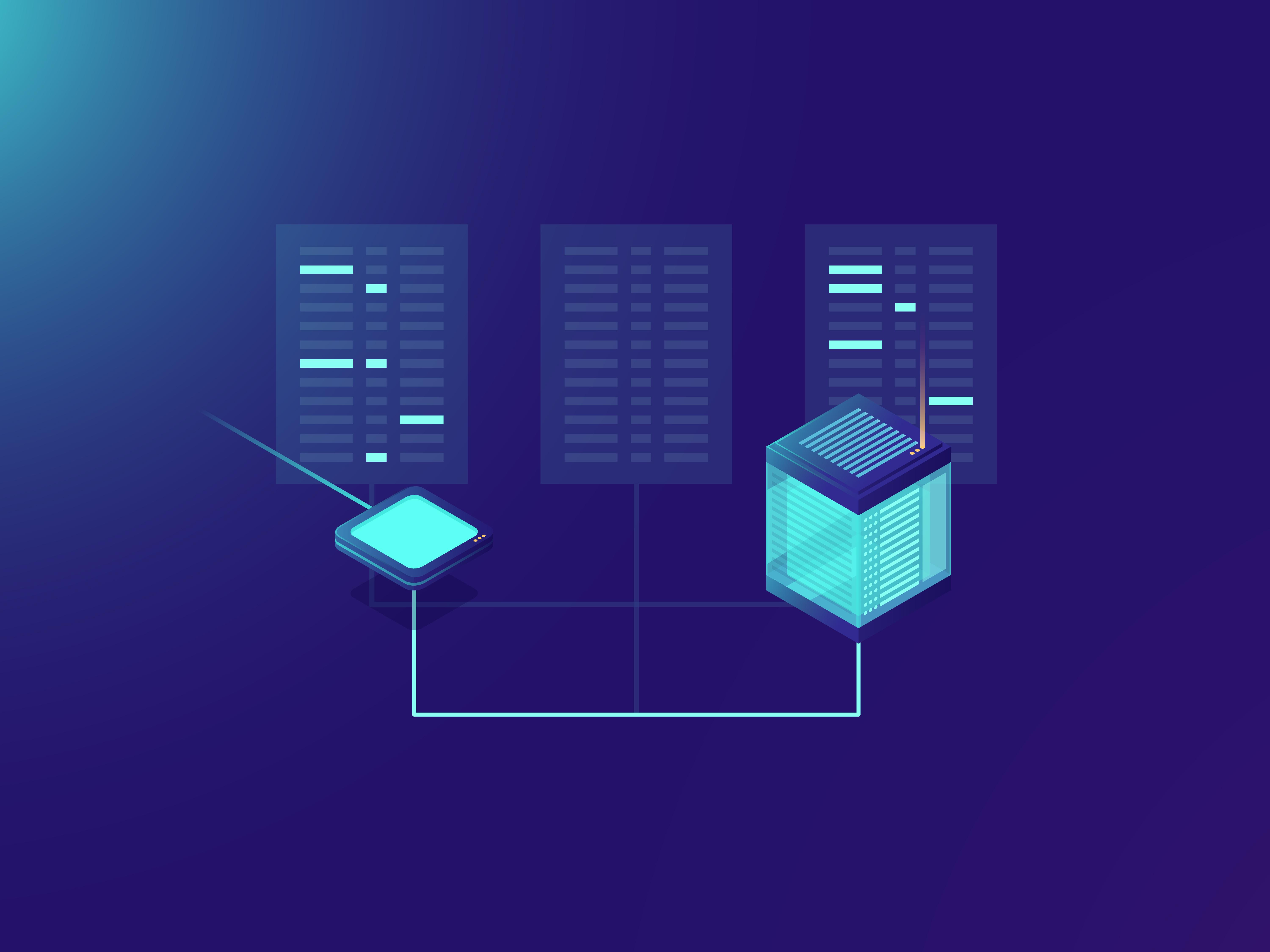
Constructing a contemporary Software-as-a-Service platform necessitates a meticulously engineered technical architecture that seamlessly integrates frontend capabilities, backend services, authentication protocols, and database infrastructure.
Each constituent element must operate in unison to deliver an application experience characterized by robust security, unwavering reliability, and exceptional scalability.For enterprises undertaking the development of bespoke SaaS solutions, the selection of an appropriate architectural framework at the inception of the project is a decisive factor that profoundly influences application performance, data integrity, and long-term development agility.
A Full Stack SaaS Architecture dedicated to secure authentication and data management establishes a rigorous development framework wherein user verification, application-level permissions, database transactions, and backend orchestration adhere to a systematic methodology.
Full-Stack SaaS Architecture describes how different application layers work together, including frontend interfaces, backend services, database systems, authentication, API integrations, and cloud infrastructure.
Designing a Reliable Full Stack SaaS Architecture
Contemporary Software-as-a-Service architectures are invariably characterized by a multi-tiered, interconnected structure.
The frontend serves as the user-facing interface, facilitating direct interaction with the platform, whereas the backend orchestrates request processing, executes core business logic, and maintains communication with the underlying database.
Frameworks such as Next.js, React, and TypeScript establish a versatile architectural base for constructing responsive SaaS interfaces and orchestrating cohesive application logic.
Complementing this frontend ecosystem, robust backend API services manage critical operations including authentication protocols, authorization controls, complex data processing pipelines, and seamless third-party integrations.
A meticulously structured full-stack architecture delineates these distinct responsibilities, thereby facilitating seamless intercommunication among disparate components.
Such an approach not only renders applications more amenable to maintenance but also empowers developers to integrate novel functionalities without engendering superfluous complexity.
Implementing Authentication with Better Auth
User authentication constitutes a cornerstone of SaaS application development.
Given that such platforms often host hundreds or even thousands of registered accounts, it is imperative to establish a robust and secure mechanism enabling each user to access their corresponding data.
Developers may leverage authentication frameworks like Better Auth to establish core account management capabilities.
Tailored to specific project needs, these implementations can encompass email and password authentication, email verification protocols, password recovery mechanisms, session management, and the integration of social login options.
Authentication mechanisms must function with unwavering consistency across both frontend and backend environments.
Rather than relying on data supplied by the browser, backend services are required to independently validate authenticated sessions prior to processing any protected requests.
The implementation of robust password hashing, alongside the meticulous configuration of session cookies, defined expiration intervals, and comprehensive account recovery protocols, serves as a critical defense against prevalent authentication vulnerabilities.
Furthermore, within applications featuring administrative interfaces or collaborative team environments, the establishment of role-based access controls furnishes an essential layer of governance, ensuring that sensitive functionalities remain strictly circumscribed by user privilege levels.
Structuring Database Management with Prisma and PostgreSQL
The integrity of a SaaS platform hinges critically upon its database architecture.
Such applications routinely oversee a heterogeneous array of data entities, encompassing customer accounts, organizational profiles, subscription details, user preferences, project repositories, and transactional histories.
PostgreSQL furnishes robust relational database functionalities tailored to managing structured data, ensuring transactional integrity, and navigating intricate data interdependencies.
By integrating this engine with the Prisma ORM, developers gain the ability to architect database models, orchestrate relational mappings, execute sophisticated queries, and sustain seamless schema migrations.
For instance, a Software-as-a-Service (SaaS) application frequently establishes linkages between individual users and their respective organizations, projects, and subscription tiers.
It is imperative to rigorously define these relational structures to ensure data integrity and prevent redundant information.
Prisma further facilitates a structured development workflow, rendering database operations both more comprehensible and maintainable.
By leveraging strategic indexing, optimized query construction, and connection pooling, the database layer is empowered to handle escalating application workloads with greater efficiency.
Full-Stack SaaS Architecture provides the foundation for developing secure, maintainable, and scalable software products. By using technologies such as Next.js, React, TypeScript, PostgreSQL, and Prisma, development teams can create flexible application structures that support complex business operations.
Building Secure Multi-Tenant Applications
Multi-tenancy constitutes a fundamental architectural imperative for Software-as-a-Service (SaaS) platforms, which facilitate the delivery of shared applications to diverse enterprises and organizations.
Every organization must be granted access strictly to its proprietary resources, user base, and business data, a requirement that extends far beyond the mere segregation of records via frontend interfaces.
A secure multi-tenant architecture must rigorously validate organizational affiliation and requisite permissions on the server prior to dispensing any safeguarded data.
Furthermore, all pertinent database transactions must explicitly account for the specific tenant context to avert inadvertent cross-organization data leakage.
PostgreSQL Row-Level Security introduces granular, database-enforced constraints to safeguard data integrity, complementing a robustly architected backend authorization framework that strictly delineates user actions according to their assigned roles.
This architectural framework proves especially well-suited for SaaS dashboards, project management ecosystems, CRM solutions, and subscription-driven business applications.
API Security and Backend Data Protection
Backend APIs serve as the critical nexus linking application interfaces to core business functions, often handling sensitive data such as user profiles, account configurations, subscription metadata, and other confidential records.
A robust API architecture necessitates the implementation of rigorous request validation, stringent authorization protocols, effective rate limiting mechanisms, and comprehensive error handling strategies.
Furthermore, developers must safeguard sensitive configuration parameters by leveraging environment variables, thereby ensuring that credentials remain strictly isolated from frontend codebases.
HTTPS encryption safeguards data integrity during transmission, whereas stringent database access policies are essential for mitigating the risk of unauthorized operations.
In accordance with the application's architectural framework, the implementation of robust safeguards against SQL injection, cross-site scripting, and cross-site request forgery must be thoroughly evaluated.
Maintaining a modular architecture for API logic significantly enhances the capacity to isolate faults, validate discrete services, and seamlessly integrate new functionalities as the SaaS product evolves.
Improving Performance and Long-Term Scalability
As the application expands, authentication and data management infrastructures must sustain peak efficiency; surging user activity invariably precipitates a proliferation of database queries, API calls, background processes, and session orchestration demands.
Developers may enhance system performance by implementing database indexing, deploying caching mechanisms, refining query structures, offloading tasks via background job processing, and optimizing server-side operations.
Furthermore, comprehensive application monitoring serves to detect sluggish endpoints, anomalous errors, and database inefficiencies prior to their impact on the user experience.
Furthermore, the implementation of routine backups, the execution of controlled database migrations, and the conduct of periodic security assessments constitute essential components in upholding a production-ready SaaS infrastructure.
The adoption of a modular architecture streamlines the integration of these enhancements, simultaneously preserving the application's structural coherence and ensuring its capacity for adaptability.
Conclusion
Constructing a reliable SaaS ecosystem necessitates a robust integration of authentication mechanisms, backend security protocols, database architecture, and application scalability.
The Full Stack SaaS Architecture for Secure Authentication and Data Management establishes a foundational framework for cultivating software platforms capable of safeguarding user credentials and corporate data with precision.
The integration of Next.js, TypeScript, Better Auth, Prisma, and PostgreSQL enables the construction of a structured full-stack development ecosystem that ensures secure authentication, granular data access, and scalable application performance.
Such architectural choices are instrumental in crafting maintainable SaaS solutions, thereby equipping them to adapt effectively to shifting business demands and sustain long-term expansion.

 Arabic
 French
 Spanish
 Portuguese
 Deutsch
 Turkish
 Dutch
 Italiano
 Russian
 Romaian
 Portuguese (Brazil)
 Greek