


Is a Homestay in Coffee Plantation the Right Choice for a Relaxing Holiday?
Introduction
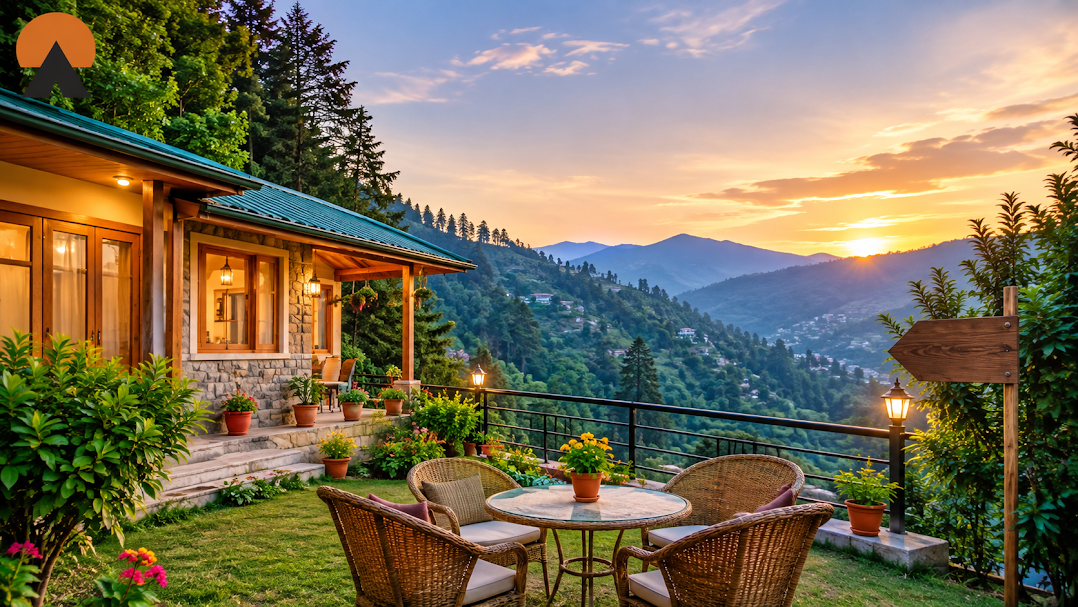
Imagine waking up to cool mountain air, stepping outside to see green plantation slopes, and enjoying a quiet morning with a cup of freshly brewed coffee. For travellers who want to escape busy city routines, a homestay in Coffee Plantation can offer a refreshing change of pace.
A plantation stay is not just about finding a place to sleep. It can bring you closer to agricultural landscapes, local food, nature, and the slower rhythm of countryside life. Depending on the property, you may be able to walk through coffee-growing areas, learn about cultivation, enjoy home-style meals, or simply relax among trees and greenery.
India has several coffee-growing regions, including parts of Karnataka, Kerala, and Tamil Nadu. Each offers a different landscape and travel experience. Some properties are surrounded by working estates, while others are located near plantations and hill-country villages.
Whether you are planning a couple's getaway, a family holiday, or a peaceful break with friends, the right plantation accommodation can make your trip more memorable. This guide explores what to expect, how to choose a suitable property, and whether this style of stay matches your idea of a relaxing holiday.
Why Choose a Coffee Plantation Holiday?
A coffee plantation offers a different atmosphere from a conventional hotel or busy tourist town. Instead of traffic, crowded streets, and packed sightseeing schedules, you may find tree-covered slopes, birdsong, fresh air, and quiet outdoor spaces.
The experience can be especially appealing to travellers who enjoy nature and want to spend more time at their accommodation.
A Peaceful Natural Setting
Coffee is commonly cultivated in elevated regions where the surrounding landscape may include forests, hills, shade trees, and agricultural land. A property within or near a plantation can provide a pleasant setting for reading, photography, walking, or enjoying an unhurried morning.
The actual environment depends on the estate and its location. Before booking, check whether the property is inside a working plantation, overlooks one, or is simply located in a coffee-growing region.
A Break From Busy Travel Schedules
A relaxing holiday does not always require a long list of attractions.
At a plantation homestay, you can plan a day around breakfast, a walk, a local meal, and time outdoors. You may also use the property as a base for nearby viewpoints, waterfalls, markets, and cultural attractions.
This slower approach is particularly useful for travellers who want to return home feeling rested rather than exhausted.
What Can You Experience at Coffee Estate Homestays?
Choosing coffee estate homestays can give you opportunities to experience the landscape and agricultural character of a coffee-growing region.
The activities available vary from one property to another, so it is important to confirm what is actually offered before making a reservation.
1. Walk Through Coffee-Growing Landscapes
One of the most appealing experiences is exploring the greenery around a plantation.
Depending on the property, guests may be able to walk along estate paths, observe coffee plants, and learn how shade trees and other crops form part of the agricultural landscape.
Ask the host whether plantation walks are permitted and whether a guide is available. Some estates are private working properties, so visitors should not enter growing or processing areas without permission.
2. Learn About Coffee Cultivation
A plantation stay can introduce you to the journey of coffee from the plant to the cup.
Depending on the season and property, you may learn about:
-
Coffee plant varieties
-
Shade-grown cultivation
-
Flowering and harvesting periods
-
Coffee cherries and processing
-
Drying and storage
-
Roasting and brewing
Harvesting and processing activities are seasonal, so the experience may differ depending on when you visit.
3. Enjoy Freshly Brewed Coffee
For coffee enthusiasts, enjoying a locally prepared cup in a peaceful setting can become a highlight of the holiday.
Some properties may serve coffee grown in the surrounding region or provide opportunities to learn about brewing methods. Others may simply offer regular refreshments.
If coffee experiences are important to you, ask whether the property provides tastings, demonstrations, or estate-grown coffee.
4. Photograph the Natural Surroundings
Plantation landscapes can be attractive for photography, particularly during early mornings when mist, soft light, and greenery create changing scenes.
You can photograph the plantation paths, hills, trees, gardens, and surrounding countryside where access is permitted.
Always respect private property and avoid photographing workers or residents without permission.
5. Spend Time Outdoors
A plantation homestay may provide outdoor spaces where you can relax without planning a separate excursion.
Depending on the property, these could include a garden, veranda, balcony, courtyard, or seating area overlooking the landscape.
For many travellers, these simple moments become an important part of the holiday.
Is Coffee Plantation Ooty a Good Choice for a Hill Holiday?
Travellers searching for coffee plantation Ooty should understand the character of the Nilgiris before selecting accommodation.
Ooty is particularly well known for its tea estates, rolling hills, gardens, forests, and scenic viewpoints. Coffee is also associated with parts of the wider Nilgiri region, including some lower-elevation areas, but tea is a much more recognisable feature of the Ooty landscape.
This distinction matters when choosing a property. If your main expectation is to stay among extensive coffee plantations, verify the exact location and surrounding crops rather than assuming every Ooty hillside property is a coffee estate.
What Makes the Nilgiris Appealing?
The wider Nilgiris region offers several experiences that can complement a plantation-focused holiday:
-
Scenic drives through green hills
-
Tea-estate walks and tastings
-
Botanical gardens
-
Lakes and viewpoints
-
Heritage attractions
-
Local village experiences
-
Nature photography
The official Nilgiris visitor guide recommends relaxed activities such as estate walks, gardens, scenic drives, and quiet afternoons, making the region suitable for travellers who prefer a slower itinerary.
If you are specifically interested in coffee cultivation, consider comparing Ooty with other coffee-growing destinations in South India before deciding where to stay.
How to Choose the Best Homestays in Coffee Plantation Areas
Finding the best homestays in Coffee Plantation depends on the experience you want rather than the number of facilities listed in an advertisement.
A beautiful property may not be suitable if it is far from your planned activities or does not provide the plantation access you expect.
Check the Exact Location
Find out whether the property is:
-
Located within a working coffee estate
-
Surrounded by coffee plantations
-
Near a coffee-growing village
-
Located in a broader hill or countryside area
These settings can offer very different experiences.
Confirm the Available Experiences
Do not assume that every plantation property offers guided walks, coffee tastings, harvesting demonstrations, or estate tours.
Ask the host which activities are available, whether they need advance booking, and whether additional charges apply.
Read Recent Guest Reviews
Reviews can help you understand the actual condition of the property.
Look for repeated comments about cleanliness, food, host hospitality, room comfort, road access, noise, and the accuracy of photographs.
Compare Essential Facilities
Before booking, check whether the property provides:
-
Comfortable rooms and clean bathrooms
-
Hot water
-
Suitable bedding
-
Wi-Fi and mobile connectivity
-
Parking
-
Meals
-
Outdoor seating
-
Access to nearby shops or restaurants
For remote properties, ask about transport arrangements and the condition of the approach road.
Which Coffee Plantation Destination Should You Consider?
South India has several regions associated with coffee cultivation. The best destination depends on your travel plans and the kind of surroundings you prefer.
Coorg, Karnataka
Coorg is one of India's best-known coffee-growing destinations. Its hills, plantations, forests, waterfalls, and countryside properties make it attractive for travellers looking for an estate-based holiday.
Chikmagalur, Karnataka
Chikmagalur is known for its coffee estates and mountain scenery. Travellers can combine plantation visits with viewpoints, nature walks, and outdoor activities.
Wayanad, Kerala
Wayanad offers a mix of coffee and spice-growing landscapes, forests, hills, and rural communities. It can suit travellers who want to combine plantation surroundings with nature and local experiences.
Nilgiris, Tamil Nadu
The Nilgiris are especially associated with tea plantations, although coffee is grown in parts of the wider region. Ooty, Coonoor, and Kotagiri offer scenic hill experiences, estate walks, and peaceful countryside settings.
When comparing these destinations, check the actual crop and property surroundings rather than choosing based only on the phrase “plantation stay.”
Is a Coffee Plantation Homestay Suitable for Families?
Yes, a plantation stay can work well for families, provided the property has suitable facilities and the surroundings meet their needs.
Children may enjoy gardens, open spaces, nature walks, and learning about how crops are grown. Parents can appreciate a quieter environment and the opportunity to spend time together away from busy tourist areas.
Before booking, confirm:
-
Family room arrangements
-
Extra-bed availability
-
Meal options for children
-
Bathroom facilities
-
Parking and road access
-
Safety around slopes, ponds, and plantation equipment
-
Activities suitable for different age groups
Parents should supervise children around working agricultural areas and follow the host's instructions.
Is It a Good Choice for Couples?
A coffee plantation homestay can be an appealing option for couples who want privacy and a peaceful setting.
You can enjoy slow mornings, plantation views, local meals, scenic drives, and relaxed evenings without following a crowded itinerary.
Look for properties with private outdoor spaces, comfortable rooms, and surroundings that match your expectations.
If privacy is important, ask whether gardens, dining areas, and common spaces are shared with other guests.
Best Time to Plan a Plantation Holiday
The ideal travel period depends on the destination and the kind of experience you want.
In many South Indian hill regions, the cooler and relatively drier months are convenient for sightseeing, walking, and outdoor activities.
The monsoon brings lush greenery and a different atmosphere, but heavy rainfall can affect roads, plantation paths, and outdoor plans.
Warmer months may still be enjoyable, especially when activities are planned for mornings and evenings.
If you want to observe coffee harvesting or processing, ask the estate about its seasonal schedule. Coffee activities do not take place in the same way throughout the year.
Homestay or Resort: Which Is Better for a Plantation Holiday?
Both accommodation styles can provide an enjoyable experience, but they suit different preferences.
A resort may offer larger facilities, restaurants, organised activities, and more standardised services.
A homestay may provide a smaller setting, personal hospitality, home-style food, and opportunities to interact with local hosts.
Choose a homestay if you value a more personal atmosphere and local recommendations. Consider a resort if you prefer extensive facilities and a more structured holiday.
The most important factor is whether the property offers the surroundings and facilities you expect.
How to Plan a Three-Day Coffee Plantation Holiday
A short plantation holiday can be relaxing if you avoid overloading the itinerary.
Day 1: Arrive and Settle In
Reach your accommodation, check in, and spend some time exploring the immediate surroundings. Enjoy a relaxed meal and ask your host about plantation walks or nearby attractions.
Day 2: Explore the Plantation and Local Area
If available, take a guided plantation walk or learn about coffee cultivation. Later, visit a nearby viewpoint, waterfall, market, or village depending on the property's location.
Return in the evening to relax and enjoy the surroundings.
Day 3: Enjoy a Slow Morning
Have breakfast, take photographs, enjoy a final walk where permitted, and begin your return journey without rushing.
For a longer holiday, add a day for nearby sightseeing or simply spend more time enjoying the property.
Responsible Travel Around Coffee Estates
Coffee plantations are working agricultural landscapes as well as places of natural beauty. Visitors should respect the people who work and live there.
Follow these simple practices:
-
Stay on permitted paths.
-
Do not pick coffee cherries or damage plants.
-
Avoid disturbing workers during their tasks.
-
Ask permission before taking photographs.
-
Dispose of waste responsibly.
-
Conserve water and electricity.
-
Follow safety instructions around equipment and processing areas.
-
Support local businesses and producers.
Responsible behaviour helps protect the landscape and supports the communities connected with plantation tourism.
Conclusion
A coffee plantation homestay can be an excellent choice if your idea of a relaxing holiday includes greenery, fresh air, local food, outdoor time, and a slower pace of travel. It offers a chance to enjoy the countryside while learning more about the agricultural traditions of South India.
The right property should match your expectations. Check whether it is located within a working coffee estate, what activities are offered, how accessible it is, and whether its facilities suit your travel group. If you are considering Ooty, remember that the Nilgiris are especially known for tea, so confirm the plantation setting before booking.
For travellers looking to discover distinctive countryside stays and plantation experiences, Raahghar can be a useful starting point for exploring accommodation options.
Frequently Asked Questions
1. What can I experience at coffee estate homestays?
Depending on the property, you may enjoy plantation walks, learn about coffee cultivation, try locally prepared coffee, explore countryside landscapes, and relax in gardens or outdoor spaces. Confirm which activities are actually available before booking.
2. Is coffee plantation Ooty a good option for a relaxing holiday?
Ooty is a good choice for a peaceful hill holiday, with tea estates, gardens, viewpoints, lakes, and scenic drives. However, it is more strongly associated with tea than coffee, so verify the property's exact surroundings if coffee cultivation is your priority.
3. How do I choose the best homestays in Coffee Plantation areas?
Compare the exact location, plantation access, recent guest reviews, room facilities, meals, road conditions, transportation, and available activities. Ask whether guided plantation walks or coffee experiences are included.
4. Are coffee plantation homestays suitable for families?
Yes. They can be suitable for families who enjoy nature and open spaces. Check room capacity, meal arrangements, accessibility, child safety, and whether activities are appropriate for your children's ages.
5. When is the best time to visit a coffee plantation homestay?
The cooler and relatively drier months are generally convenient for outdoor activities in many South Indian hill regions. Monsoon visits offer lush scenery but may involve heavy rain. Check local weather and seasonal plantation activities before travelling.
Read Our Previous Blog-------->What Local Experiences Can You Enjoy at a Homestay in Jodhpur?

 English
 Arabic
 Spanish
 Portuguese
 Deutsch
 Turkish
 Dutch
 Italiano
 Russian
 Romaian
 Portuguese (Brazil)
 Greek