


How Proper Instrument Decontamination Prevents Post-Surgical Complications
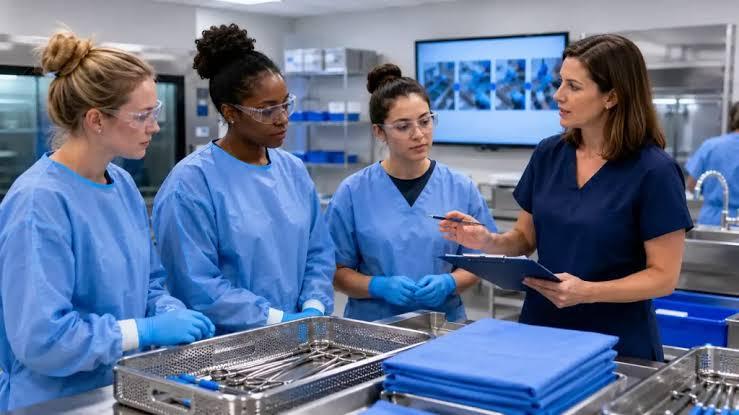
In modern healthcare, the success of a surgical procedure relies heavily on the unseen work happening long before a patient enters the operating room. While surgeons and nurses are the visible faces of patient care, the Central Sterile Supply Department serves as the silent guardian against hospital-acquired infections. Surgical site infections remain one of the most preventable yet devastating post-surgical complications, often leading to extended hospital stays, additional surgeries, and severe patient morbidity. At the heart of preventing these adverse outcomes is a rigorous, multi-step process known as instrument decontamination. When surgical tools are not properly cleaned and sterilized, microscopic bioburden can survive and enter a patient’s bloodstream or tissue, triggering dangerous inflammatory responses or life-threatening sepsis. Understanding the mechanics of decontamination reveals just how vital this behind-the-scenes discipline is to overall patient safety and surgical excellence.
The Invisible Threat of Biofilm and Bioburden
When surgical instruments are used during an operation, they inevitably become coated with blood, tissue fragments, bodily fluids, and microorganisms. This organic debris, collectively referred to as bioburden, poses an immediate risk if not addressed promptly. If left to dry on stainless steel or delicate micro-surgical tools, these substances form a stubborn matrix known as biofilm. Biofilm acts as a protective shield for bacteria, making them exponentially more resistant to standard sterilization methods like steam autoclaving or ethylene oxide gas. Even if an instrument undergoes a high-temperature sterilization cycle, any remaining organic matter can insulate pathogens from the sterilizing agent, rendering the process ineffective. Consequently, when that seemingly sterile instrument is used on the next patient, the trapped bacteria can break free and cause severe post-operative infections, tissue necrosis, or toxic anterior segment syndrome in ophthalmic procedures.
Point-of-Use Pre-Treatment: The Critical First Step
The journey to a completely sterile instrument begins right in the operating room immediately after the procedure concludes. Point-of-use pre-treatment is a critical phase that prevents blood and debris from drying onto surgical tools during transport to the decontamination area. Surgical technologists or nurses must wipe down instruments with sterile water—never saline, which causes pitting and corrosion—and apply an enzymatic foam or gel spray to keep the tools moist. This initial step breaks down proteins, lipids, and carbohydrates before they can bond to the metal surfaces. Furthermore, delicate instruments must be separated from heavy retractors to prevent mechanical damage, and sharps must be safely contained to protect healthcare workers from accidental needle-stick or blade injuries. Skipping or rushing this preliminary stage dramatically increases the difficulty of manual cleaning later and elevates the risk of retained bioburden.
Mechanical vs. Manual Cleaning Protocols
Once instruments arrive in the contaminated zone of the sterile processing department, they undergo thorough cleaning, which is arguably the most important phase of the entire reprocessing cycle. As the industry adage goes, you cannot sterilize a dirty instrument. Technicians first perform manual cleaning in deep sinks using specialized enzymatic detergents, soft-bristled brushes, and lumen flushers to reach inside complex, hollow devices like endoscopes and cannulas. Friction is applied underwater to prevent the aerosolization of dangerous pathogens into the room. Following manual scrubbing, instruments are typically loaded into automated washer-disinfectors. These machines utilize thermal disinfection, precise chemical dosing, and high-pressure water jets to remove microscopic debris that human hands might miss. Ultrasonic cleaners are also employed for intricate tools, using high-frequency sound waves to create microscopic bubbles that implode and dislodge contaminants from tiny crevices.
The Role of Specialized Training in Sterile Processing
Executing these complex decontamination protocols requires far more than basic cleaning knowledge; it demands a deep understanding of microbiology, chemical interactions, and intricate medical device mechanics. A single oversight, such as using the wrong water temperature that bakes proteins onto steel or failing to disassemble a multi-part laparoscopic tool, can compromise an entire surgical tray. Because the stakes are so high, healthcare facilities increasingly rely on certified professionals who have completed a comprehensive sterile processing technician course to manage their decontamination workflows. Proper education ensures that technicians understand the exact instructions for use provided by device manufacturers, recognize early signs of instrument corrosion or pitting, and strictly adhere to infection control standards set by regulatory bodies. Investing in well-trained personnel directly translates to fewer surgical delays, lower infection rates, and enhanced patient trust.
Verification, Inspection, and Quality Assurance
After instruments emerge from the decontamination area into the clean preparation and packaging zone, they undergo rigorous inspection before being wrapped for sterilization. Technicians use lighted magnifying glasses to examine box locks, serrations, and hinges for any lingering soil, rust, or structural cracks. If even a speck of debris is found, the instrument is immediately rejected and sent back through the entire cleaning cycle. Beyond visual checks, modern sterile processing departments utilize advanced verification tools, such as adenosine triphosphate bioluminescence testing and protein swabs, to detect invisible organic residues. Instruments are also tested for mechanical functionality—such as checking the sharpness of scissors or the alignment of hemostats—to ensure they perform reliably in the surgeon's hands. This strict quality assurance checkpoint acts as a final safety net, guaranteeing that only immaculate, fully functional tools proceed to the sterilizer.
Conclusion: Safeguarding Lives Behind the Scenes
Preventing post-surgical complications is a collaborative effort that extends far beyond the walls of the operating suite. Proper instrument decontamination serves as the foundational defense against surgical site infections, breaking the chain of cross-contamination between patients. From immediate point-of-use care and meticulous manual scrubbing to advanced ultrasonic cleaning and strict quality inspections, every step in the decontamination workflow is designed to eliminate microscopic threats. As surgical technologies grow increasingly complex, the precision and expertise required to clean these life-saving tools become even more critical. By prioritizing rigorous decontamination standards and continuous professional education, healthcare facilities protect their most vulnerable patients and uphold the highest benchmarks of medical safety.

 English
 Arabic
 French
 Spanish
 Portuguese
 Deutsch
 Turkish
 Dutch
 Italiano
 Russian
 Romaian
 Portuguese (Brazil)