


Common Engine and Transmission Problems Every Vehicle Owner Should Understand
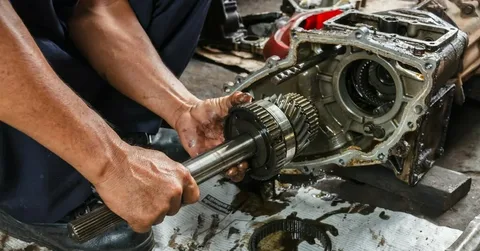
Engine and Transmission Services: Understanding Common Car Problems
A vehicle's engine and transmission are two of its most important mechanical systems. The engine produces the power needed to move the vehicle, while the transmission transfers that power to the wheels. When either system develops a problem, drivers may experience reduced performance, unusual noises, poor fuel economy, or difficulty shifting gears. Professional engine and transmission services help identify these issues and keep vehicles operating reliably.
Many vehicle problems begin with small warning signs. A slight vibration, unusual sound, fluid leak, or delayed gear change may seem unimportant at first. However, ignoring these symptoms can allow mechanical damage to become more serious and expensive.
Understanding common engine and transmission problems helps drivers recognize when their vehicles need professional attention. Regular inspections and timely repairs can also support better performance and improve long-term vehicle reliability.
How Engine and Transmission Services Help Maintain Vehicle Performance
The engine and transmission work together to provide smooth acceleration and consistent power. Both systems contain multiple components that must operate correctly.
The engine depends on components such as pistons, valves, spark plugs, fuel injectors, sensors, and lubrication systems. The transmission uses gears, clutches, hydraulic components, and electronic controls to manage power delivery.
Professional inspections help technicians identify worn parts, fluid problems, leaks, and electronic faults that may affect these systems.
Depending on the vehicle and its symptoms, a mechanic may perform computer diagnostics, fluid inspections, compression testing, or other mechanical checks.
These tests help determine the cause of a problem instead of relying on guesswork.
Common Engine Problems Every Driver Should Recognize
Engines operate under high temperatures and mechanical pressure. Over time, normal wear, poor maintenance, and unexpected component failures can affect performance.
Recognizing the warning signs early can help prevent further damage.
1. Engine Overheating
An overheating engine is a serious concern that should never be ignored.
The cooling system helps maintain a safe operating temperature by circulating coolant through the engine and radiator. If coolant levels become low or a cooling component fails, the engine may become too hot.
Common causes include:
-
Coolant leaks
-
Faulty thermostats
-
Damaged water pumps
-
Radiator problems
-
Cooling fan failures
-
Restricted coolant circulation
Drivers should pay attention to temperature warnings and stop safely if the engine begins overheating. Continuing to drive can cause serious internal engine damage.
2. Oil Leaks and Low Oil Pressure
Engine oil reduces friction between moving parts and helps manage heat. Without proper lubrication, internal components can wear quickly.
Oil leaks may occur around gaskets, seals, oil filters, or other engine components.
A low oil pressure warning should be treated seriously. Drivers should follow the vehicle manufacturer's safety guidance and avoid continuing to operate an engine with insufficient oil pressure.
Regular oil level checks and scheduled oil changes can help protect the engine.
3. Engine Misfires
An engine misfire occurs when one or more cylinders fail to produce power correctly.
Drivers may notice rough idling, shaking, reduced acceleration, or an illuminated check engine light.
Possible causes include faulty spark plugs, ignition coils, fuel injectors, or air intake problems.
A professional inspection can help identify the source and determine which components need attention.
4. Reduced Engine Power
If a vehicle struggles to accelerate or feels less responsive than usual, it may have an engine performance issue.
Potential causes include restricted airflow, fuel delivery problems, sensor faults, or ignition system concerns.
Diagnostic testing can help narrow down the possible causes and guide the appropriate repair.
5. Unusual Engine Noises
Knocking, ticking, rattling, and grinding sounds can indicate mechanical concerns.
Some noises may result from minor component wear, while others can signal serious internal damage.
Drivers should avoid ignoring unfamiliar sounds, especially when they become louder or occur alongside warning lights or performance changes.
Understanding Common Transmission Problems
The transmission controls how engine power reaches the wheels. It allows a vehicle to operate at different speeds while maintaining suitable engine performance.
Transmission problems can affect both automatic and manual vehicles.
Delayed Gear Shifting
A noticeable delay when shifting from park to drive or between gears may indicate a transmission concern.
Possible causes include low fluid levels, worn components, hydraulic problems, or electronic control issues.
A technician can inspect the transmission and determine whether servicing or additional repairs are required.
Slipping Gears
Transmission slipping happens when the vehicle does not remain in the expected gear.
Drivers may notice rising engine RPM without a matching increase in speed.
This problem can result from worn internal components, fluid-related concerns, or other mechanical faults.
It should be inspected promptly because continued driving may increase damage.
Transmission Fluid Leaks
Transmission fluid helps lubricate components and, in many automatic transmissions, supports hydraulic operation.
A leak can cause fluid levels to drop and affect transmission performance.
Drivers may notice reddish or brown fluid beneath their vehicles, although fluid appearance can vary depending on its type and condition.
Any suspected transmission leak should be checked by a professional.
Unusual Transmission Noises
Whining, clunking, grinding, or humming sounds may indicate a transmission-related issue.
These noises can have different causes depending on the vehicle design and driving conditions.
A proper inspection is necessary to identify the source rather than assuming the transmission itself has failed.
Why Regular Fluid Maintenance Is Important
Engine oil and transmission fluid play important roles in vehicle operation.
Engine oil lubricates internal components, helps control heat, and carries contaminants toward the filtration system.
Transmission fluid supports lubrication and cooling, while certain transmission designs also use it for hydraulic pressure and gear operation.
Old, contaminated, or incorrect fluid can affect system performance.
Vehicle owners should follow the manufacturer's recommended fluid type and replacement schedule.
It is also important to understand that transmission maintenance requirements vary. Some vehicles require regular fluid replacement, while others have specific service procedures or intervals.
A qualified technician can review the vehicle's maintenance requirements and recommend the appropriate service.
How Diagnostic Testing Helps Identify Mechanical Problems
Modern vehicles use electronic control systems to monitor engine and transmission performance.
When a system detects an unusual condition, it may store a diagnostic trouble code.
Technicians can use suitable scanning equipment to retrieve these codes and review system information.
However, a diagnostic code does not automatically identify the exact failed component.
For example, a transmission-related warning may be caused by a sensor, electrical connection, fluid pressure concern, or internal mechanical problem.
Additional testing may be necessary to confirm the cause.
This is why professional engine and transmission services often combine computerized diagnostics with physical inspections and mechanical testing.
Accurate diagnosis can help prevent unnecessary part replacements and support more effective repairs.
Warning Signs You Should Never Ignore
Some vehicle symptoms indicate that immediate attention may be necessary.
Drivers should watch for the following warning signs:
-
Flashing check engine light
-
Engine temperature warning
-
Low oil pressure warning
-
Sudden loss of engine power
-
Severe transmission slipping
-
Burning smells from the engine or transmission area
-
Heavy knocking or grinding noises
-
Significant fluid leaks
If a warning suggests a serious mechanical problem, stop driving when it is safe to do so and arrange professional assistance.
Continuing to operate a vehicle with severe engine or transmission symptoms can increase repair costs and create additional safety concerns.
How Preventive Maintenance Helps Reduce Repair Costs
Preventive maintenance is one of the most effective ways to protect important vehicle systems.
Many mechanical problems become more expensive when they remain unnoticed.
For example, low engine oil can increase friction and cause internal wear. Similarly, neglected cooling system problems can lead to overheating and potential engine damage.
Regular maintenance helps technicians identify developing concerns before they affect additional components.
Useful maintenance habits include:
-
Following recommended oil change intervals
-
Checking engine oil levels regularly
-
Inspecting coolant levels and cooling system condition
-
Monitoring transmission performance
-
Checking for fluid leaks
-
Replacing filters according to manufacturer guidance
-
Responding to dashboard warning lights
-
Keeping maintenance and repair records
These simple steps can help improve reliability and reduce the possibility of unexpected breakdowns.
Choosing a Reliable Auto Repair Shop for Engine and Transmission Work
Engine and transmission repairs can involve complex mechanical and electronic systems. Choosing the right repair provider is important for getting accurate diagnosis and suitable repair recommendations.
Before selecting an automotive repair shop, consider these factors.
Experienced Technicians: Look for mechanics who have experience working with different vehicle makes and models.
Diagnostic Equipment: Modern testing equipment helps technicians investigate electronic and mechanical concerns.
Clear Communication: A reliable mechanic should explain the problem, available repair options, and recommended next steps.
Transparent Estimates: Ask for a written estimate before approving major repairs.
Quality Workmanship: Proper repair procedures and suitable replacement parts can help support long-term reliability.
Drivers in Baltimore can contact Vince's Auto Repair to discuss their vehicle concerns and available automotive repair options.
Working with an experienced repair provider can make it easier to understand mechanical problems and make informed maintenance decisions.
When Should You Repair or Replace an Engine or Transmission?
One of the biggest concerns for vehicle owners is deciding whether a major component should be repaired or replaced.
The right decision depends on several factors.
These include the severity of the damage, vehicle age, mileage, repair cost, replacement part availability, and overall vehicle condition.
In some cases, a relatively small repair can restore normal operation. Other situations may involve extensive internal damage that makes replacement a more practical option.
A professional inspection should come before making this decision.
Drivers should request a clear explanation of the problem and compare the estimated repair cost with the vehicle's overall value.
It is also useful to ask about warranties and the expected lifespan of the proposed repair.
Frequently Asked Questions
1. What are the most common engine problems in cars?
Common engine problems include overheating, oil leaks, engine misfires, reduced power, and unusual noises. These issues may result from worn components, poor maintenance, or mechanical and electrical faults.
2. How do I know if my transmission needs repair?
Warning signs include delayed gear changes, slipping gears, unusual noises, fluid leaks, and difficulty accelerating. If you notice these symptoms, arrange a professional inspection.
3. How often should engine oil be changed?
Oil change intervals depend on the vehicle manufacturer, engine design, oil type, and driving conditions. Always follow the maintenance schedule in your owner's manual.
4. Can transmission problems be fixed without replacing the entire transmission?
Yes. Some transmission issues involve fluid leaks, sensors, electrical connections, or service-related concerns that may not require complete replacement. However, internal damage can sometimes make major repairs or replacement necessary.
5. Why is professional engine and transmission diagnosis important?
Professional diagnosis helps identify the underlying cause of vehicle problems. It combines diagnostic equipment, mechanical inspections, and technician experience to support accurate repair decisions and reduce unnecessary part replacements.
Conclusion
The engine and transmission are essential to a vehicle's performance, reliability, and driving experience. Problems such as overheating, oil leaks, slipping gears, and unusual noises should be addressed before they lead to more serious damage.
Regular inspections, correct fluid maintenance, and timely repairs can help extend the life of important vehicle components. Drivers who understand common warning signs are also better prepared to make responsible maintenance decisions.
For vehicle owners in Baltimore, Vince's Auto Repair is a resource for discussing automotive repair concerns and available service options. Taking action when early warning signs appear can help protect your vehicle and support dependable driving.
To discuss your vehicle's repair needs or arrange an appointment, visit the Contact Page.

 English
 Arabic
 French
 Spanish
 Portuguese
 Deutsch
 Turkish
 Dutch
 Italiano
 Russian
 Romaian
 Portuguese (Brazil)