


Inventory Reporting System: From Raw Stock Data to Actionable Insights
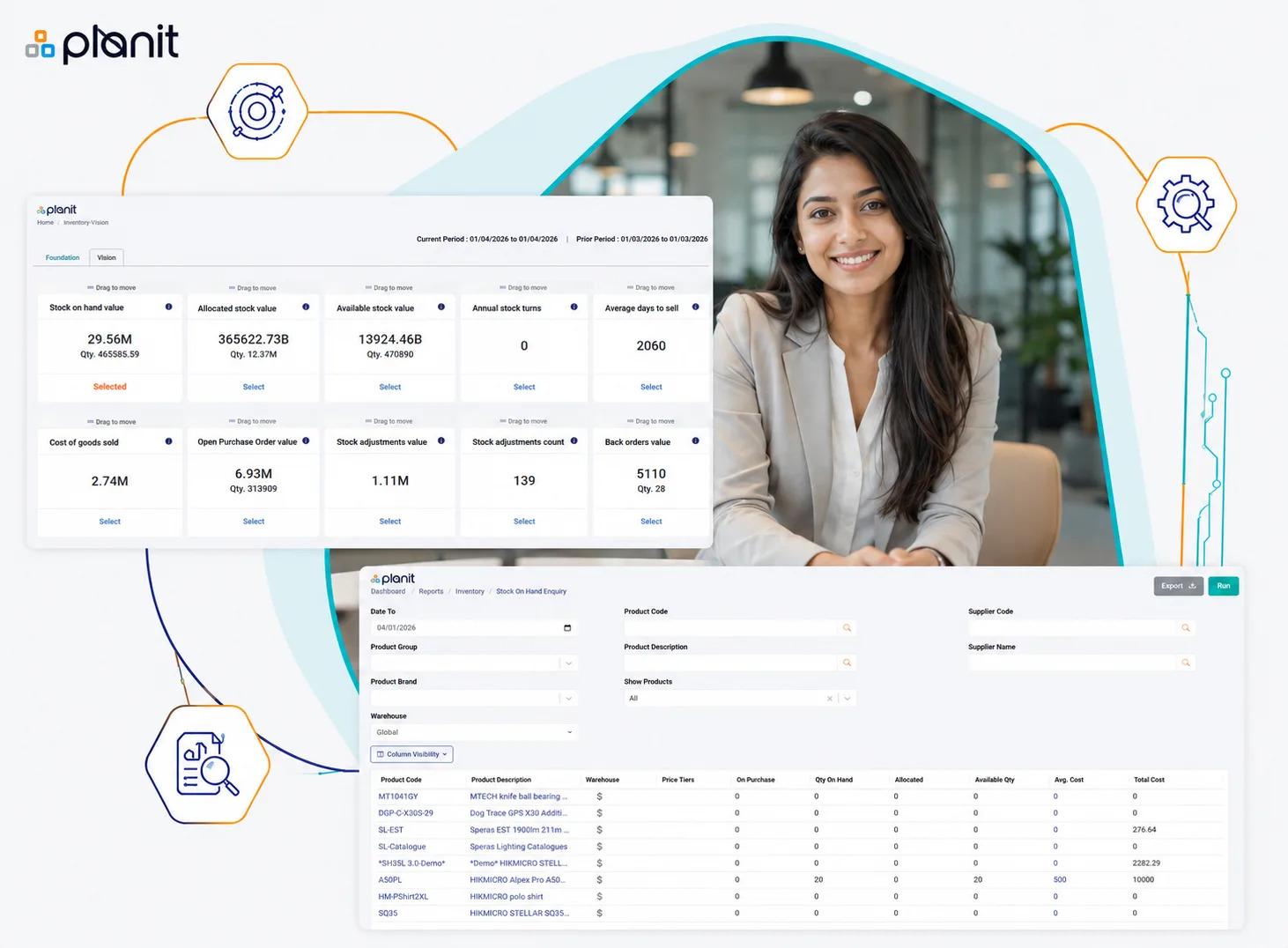
Managing inventory effectively requires more than knowing how many products are available in a warehouse. Businesses need accurate information about stock movement, purchasing patterns, product demand, and inventory costs to make informed decisions. However, when stock information is scattered across spreadsheets, sales records, and different business applications, identifying meaningful trends becomes challenging. An Inventory Reporting System helps transform raw inventory data into organised reports and actionable insights, allowing businesses to improve stock control and make smarter operational decisions.
Why Inventory Reporting Matters for Growing Businesses
Inventory plays an important role in purchasing, sales, production, and customer satisfaction. Without reliable reporting, businesses may struggle with excess stock, unexpected shortages, delayed replenishment, and inaccurate inventory records.
A structured reporting process provides managers with a clearer understanding of what is happening across their inventory operations. Instead of relying on assumptions, they can use actual stock information to identify problems and plan improvements.
An effective reporting approach helps businesses:
-
Monitor available stock across multiple warehouses and locations.
-
Identify fast-moving and slow-moving products.
-
Track incoming purchases and outgoing sales.
-
Recognise potential stock shortages before they affect customers.
-
Understand inventory costs and product performance.
-
Improve purchasing and replenishment decisions.
These insights are particularly valuable for wholesalers, manufacturers, distributors, retailers, and ecommerce businesses managing large product catalogues.
Turning Raw Inventory Data into Useful Insights
Every inventory transaction generates information. Sales, purchases, returns, stock adjustments, and warehouse transfers all contribute to the overall inventory picture. However, collecting data alone does not guarantee better decisions. Businesses need to organise and analyse this information.
An Inventory Reporting System brings relevant stock information together and presents it through understandable reports. Managers can review important figures, compare performance over different periods, and identify patterns that might otherwise remain unnoticed.
For example, sales reports can reveal which products experience increasing demand, while stock movement reports can highlight items that remain in storage for extended periods. Similarly, purchase reports can help businesses evaluate supplier activity and understand procurement requirements.
By connecting these insights with everyday operations, companies can make inventory management more proactive and efficient.
Important Reports Every Business Should Monitor
Different reports serve different operational purposes. Selecting the right reporting categories helps businesses focus on information that directly supports their objectives.
Some useful inventory reports include:
-
Stock Availability Reports: Show current product quantities and help teams identify items requiring replenishment.
-
Inventory Movement Reports: Track stock received, sold, transferred, or adjusted during a selected period.
-
Low Stock Reports: Highlight products approaching their minimum stock levels.
-
Valuation Reports: Provide information about the financial value of available inventory.
-
Sales Performance Reports: Help identify popular products and changing purchasing trends.
-
Purchase Reports: Provide visibility into supplier orders, received quantities, and procurement activities.
Reviewing these reports regularly can help managers identify operational gaps and take corrective action before minor issues become expensive problems.
Improving Business Decisions Through Accurate Reporting
Reliable inventory information supports better planning throughout the organisation. Purchasing teams can use stock reports to plan replenishment, sales departments can identify product availability, and warehouse managers can organise storage activities more effectively.
For instance, if a product consistently sells faster during a particular season, historical reporting can help businesses prepare suitable stock levels in advance. Similarly, identifying slow-moving inventory can encourage companies to review purchasing quantities or introduce appropriate promotional strategies.
Businesses should also establish measurable performance indicators, such as inventory turnover, stockout frequency, and order fulfilment accuracy. Tracking these metrics over time helps management evaluate progress and identify opportunities for improvement.
Choosing the Right Inventory Reporting Solution
The right software should make inventory information accessible, understandable, and useful. Businesses should prioritise solutions that offer real-time or regularly updated reporting, customisable reports, multi-location visibility, and integration with purchasing and sales processes.
A scalable solution should also accommodate increasing transaction volumes and expanding product catalogues without making reporting unnecessarily complicated.
Make Smarter Inventory Decisions with PlanIT
Turning stock information into meaningful business insights is essential for maintaining efficient inventory operations. With organised reporting, businesses can improve visibility, reduce avoidable stock management challenges, and make decisions based on reliable information.
PlanIT helps businesses streamline inventory management through smarter software solutions. Explore how PlanIT can support your reporting requirements and help your organisation move towards more informed, efficient, and data-driven inventory management.
-
Mobile: +91-9958474631
-
Email: sales@plan-it.pro

 English
 Arabic
 French
 Spanish
 Portuguese
 Turkish
 Dutch
 Italiano
 Russian
 Romaian
 Portuguese (Brazil)
 Greek