


Personal Trainer Website Template Tips for Promoting Strength Training for Women
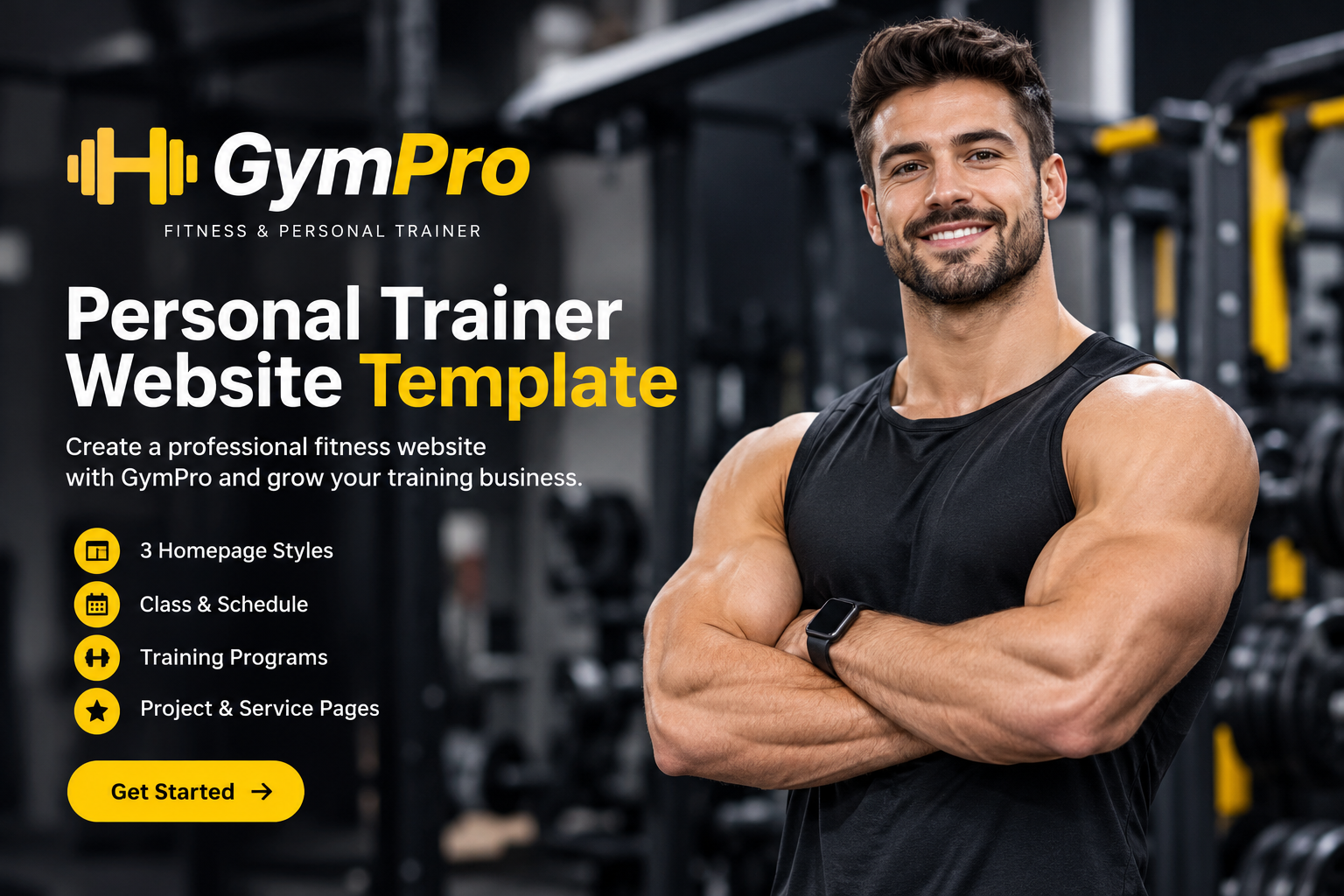
Walk into any gym and you'll notice something. Many women head straight for the treadmill or the group class, and the weights area stays quiet. Ask them why, and you'll hear things like "I don't want to get bulky," "I don't know what I'm doing," or "I feel out of place in there." A personal trainer website template can help trainers promote strength training programs for women, share beginner-friendly workout guidance, and create a welcoming space for women to build confidence with weights.
If you're a personal trainer who coaches women in strength training, that's a big opportunity. Lots of women want to get stronger, but they need someone to explain it in a friendly, simple way and make them feel welcome.
Your website is where that starts. A well-chosen personal trainer website template can help you promote your strength training services to women clearly and kindly. Here are practical tips.
Why Women Need Extra Clarity About Strength Training
Old Myths Still Hang Around
Many women still worry that lifting weights will make them look "too big." Others think strength training is only for athletes or younger people. Your website can gently explain what it's really about, without sounding preachy.
Gyms Can Feel Intimidating
Weight rooms can feel crowded and confusing. Women who are new to training often want to know they'll be supported, not judged. A warm website tells them you understand.
Goals Are Varied
Some women want to feel stronger for daily life. Others want to build confidence, get ready after having a baby, stay active as they get older or train for a sport. A one-size-fits-all message won't speak to all of them.
Create a Dedicated "Strength Training for Women" Page
Make It Easy to Find
Add a menu item or service card with a clear name like "Strength Training for Women." Don't bury it under a general "Services" list.
Start With a Friendly Introduction
Write something like: "Whether you've never touched a weight or you're getting back into training, we'll help you build strength at your own pace." Simple and welcoming works best.
Speak to Real Goals
List the reasons women often come to you, in everyday words:
- Feeling stronger and more capable
- Having more energy for daily life
- Building confidence in the gym
- Getting active again after a break
- Supporting an active lifestyle as they get older
Avoid promises about weight loss or body shape. Keep the focus on how clients feel and what they can do.
Clear Up Common Worries
An Honest "Myths and Facts" Section
Use a short FAQ block or two-column layout to answer worries such as "Will lifting make me bulky?" and "Do I need to be fit before I start?" Keep answers simple, calm and careful, and avoid big claims. If you mention health benefits, ask a qualified professional to check the wording.
Reassure Beginners
Say plainly that no experience is needed, and that you'll show them each exercise and adjust it to suit them. Many nervous clients just want to hear that.
Explain That Programs Are Personal
Make clear that every plan is built for the individual, based on goals, fitness level and any limits. That helps women feel seen, not rushed into a generic routine.
Show What Training Looks Like
A Simple "What to Expect" Section
Describe the first session: a friendly chat, a few basic movements, and a plan for what comes next. Mention how long sessions last and how often most clients train.
Use Step Layouts
Many templates include step or timeline blocks. They're great for showing a path like "first chat, learn the basics, build a routine, track progress."
Explain Equipment in Plain Words
If you use dumbbells, bands, machines or bodyweight exercises, say so, and explain they're used safely and at the right level. Many women feel better knowing they won't be thrown into something difficult.
Use Photos and Videos Wisely
Show Real Women Training
Use real photos from your sessions, with written permission from clients. Show a range of ages, body types and experience levels, so visitors can see themselves in your gym.
Avoid Unrealistic Images
Heavily edited or "perfect body" photos can put people off. Natural, friendly images of women smiling, learning and getting stronger work better.
Short Introduction Videos
A short, captioned video where you explain your approach and welcome new clients can build trust fast. Keep it warm and relaxed.
A Look at Your Space
Show your gym or studio, especially if you offer a private or women-friendly setting. Clean, welcoming photos help nervous clients picture themselves there.
Offer Options That Suit Different Women
One-to-One Training
Explain the benefits of personalised sessions, such as individual attention and flexible pacing.
Small Groups or Women-Only Classes
If you run them, make them easy to find. Some women feel more comfortable training with others at a similar stage.
Online and Hybrid Coaching
Busy women appreciate flexibility. Explain how online sessions work, what equipment is needed and how you stay in touch. Check that your template can handle booking and video links smoothly.
Programs for Different Life Stages
If you work with new mothers, women in midlife or older adults, give each group its own short section. Keep wording general and encourage clients to check with their doctor before starting any new exercise program, especially if they have health concerns or are returning after pregnancy.
Build Trust With Credentials and Stories
Show Your Qualifications
Display certifications, experience and any extra training clearly. Women want to know their trainer is properly qualified.
Real Client Stories
Short, permission-based stories about confidence, progress and enjoying training can be powerful. Remove identifying details, and make clear that everyone's results are different. Avoid guarantees.
Introduce Yourself Personally
A friendly "About Me" section explaining why you love coaching women helps visitors feel connected before they even meet you.
Make Booking Simple
A Clear "Book a Free Intro" Button
Offer a low-pressure first step, like a free chat or trial session. Place the button on your strength training page and in your menu.
Easy Contact Options
Show your phone number, email and a short form. Some women prefer to message first, so make that easy.
Answer Practical Questions
Add details about pricing, session length, what to wear and what to bring. A short FAQ saves time and calms nerves.
Keep the Website Easy to Use
Mobile-Friendly Pages
Many women will browse on their phones in spare moments. Make sure text is readable, images load quickly and buttons are easy to tap.
Fast and Accessible
Use readable fonts, strong contrast and captions on videos. Keep pages light and simple.
Privacy and Accuracy
If forms collect personal or health-related details, use secure tools and check which privacy rules apply where you work. Review your pages regularly and update prices, schedules and photos.
Conclusion
Strength training can be a great fit for many women, but plenty of them need a friendly nudge and clear information before they walk through your door. A dedicated page, plain-language explanations, honest myth-busting, real photos and easy booking can help them feel welcome and confident. Keep your wording careful, avoid big promises and let your real coaching style shine. If you want a quick, dependable way to put it all together, premium WordPress templates made for personal trainers often include service layouts, video support, FAQ blocks and booking tools that make promoting strength training much easier.
Frequently Asked Questions
1. Why should a personal trainer promote strength training to women specifically?
Many women feel unsure about the weights area or believe old myths about lifting. A page that speaks to their goals and worries helps them feel understood and more likely to get in touch.
2. What should a strength training page for women include?
A friendly introduction, common goals in everyday words, a myths-and-facts section, what to expect in the first session, your qualifications, client stories and a clear booking button.
3. Is it okay to promise weight loss or a certain body shape?
It's best not to. Focus on how clients feel and what they can do, use careful wording, and avoid guarantees. Ask a qualified professional to check claims against local advertising rules.
4. What kind of photos work best on a trainer's website?
Real, natural photos of women training, with written permission. Show different ages, shapes and experience levels, and avoid heavily edited or unrealistic images.
5. How can I make nervous beginners feel comfortable booking?
Offer a free intro chat or trial session, say clearly that no experience is needed, show your welcoming space and answer practical questions about what to wear and what to expect.

 English
 Arabic
 French
 Spanish
 Portuguese
 Deutsch
 Turkish
 Dutch
 Italiano
 Russian
 Romaian
 Portuguese (Brazil)