


How Modern Food Habits Are Changing the Way Families Plan Their Meals
Family meal planning has changed as work schedules, school activities, and daily responsibilities become busier. Many people no longer have the same amount of time to prepare every meal from scratch. They look for convenient ways to organize food, save preparation time, and make sure their families have meals available throughout the week.
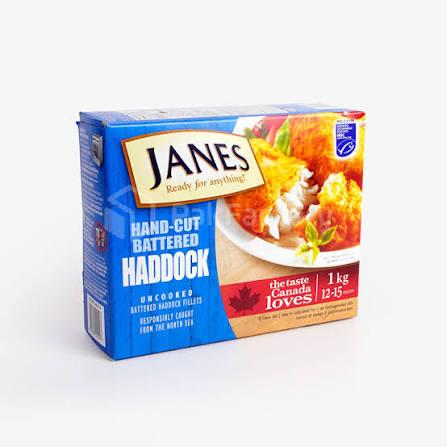
These changing habits have also influenced the way people shop, store, and prepare food. Ready-to-cook products, prepared ingredients, and frozen food boxes have become useful options for households that want more flexibility. With proper storage and planning, families can make everyday meals easier without losing sight of food quality and safety.
Busy Schedules Are Changing Meal Planning
Many families have to manage work, education, household tasks, and other responsibilities. Preparing a fresh meal several times a day can be difficult when everyone follows a different schedule.
Meal planning helps families use their time more effectively. They can decide what to cook in advance, prepare ingredients earlier, and keep suitable food options available for busy days.
A weekly meal plan does not need to be complicated. Even a simple list of meals and ingredients can reduce last-minute decisions and make grocery shopping easier.
Convenience Has Become a Major Food Choice
Convenience is an important factor when people decide what to buy. Many households prefer products that require less preparation or can be cooked quickly.
Ready-to-cook meals, pre-cut vegetables, and frozen ingredients can help reduce kitchen work. These options may also make it easier to prepare different meals without buying every ingredient separately.
However, convenience should not replace good food choices. Families should still check ingredients, serving sizes, and nutritional information before adding products to their regular meals.
Freezer Storage Helps Families Stay Organized
A well-organized freezer can make meal planning more practical. Families can store suitable products for later use and reduce the need for frequent shopping trips.
It is important to keep the freezer at a safe temperature and follow the storage instructions provided on food labels. Products should be arranged so that older items are easy to identify and use first.
Clear labels with product names and dates can also help prevent confusion. This simple habit makes it easier to track stored food and avoid keeping items longer than recommended.
Packaging Plays a Role in Food Quality
Packaging helps protect food during storage, handling, and transportation. For products kept in freezers, materials should be suitable for the intended temperature and help protect against moisture loss and freezer burn.
A damaged or poorly sealed package can affect food quality. Families should check packaging before buying products and avoid items with broken seals or signs of damage.
Food businesses also need to select packaging based on the product's storage requirements. The material should provide suitable protection while remaining practical for retailers and customers.
Shopping Habits Are Becoming More Planned
Many families now try to organize grocery shopping around their weekly routines. Instead of buying food without a plan, they may prepare a shopping list based on planned meals and household needs.
This approach can help reduce unnecessary purchases and prevent ingredients from being forgotten in the refrigerator or freezer.
Checking existing supplies before shopping is another useful habit. Families can plan meals around ingredients they already have and buy only what is needed.
Food Safety Matters During Storage and Preparation
Convenient food options still require careful handling. Families should follow cooking, thawing, and storage instructions on product labels.
Frozen products should be kept at the recommended temperature. When thawing is required, safe methods should be used rather than leaving food at room temperature for long periods.
Clean kitchen surfaces, proper handwashing, and separate handling of raw and ready-to-eat foods also help reduce the risk of contamination.
Reducing Food Waste Through Better Planning
Food waste often happens when households buy more than they need or forget about stored ingredients. A simple meal plan can help families use food before it loses its quality.
Freezer storage can also help extend the usable life of many suitable foods when they are packaged and stored correctly. However, families should still follow storage guidance and understand that freezing does not make food safe indefinitely.
Using a first-in, first-out approach can help. Older suitable products should be placed where they are easy to see so they are used before newer purchases.
Packaging Makes Food Easier to Handle
Customers often look for packaging that is easy to store, open, and manage. Clear product information and secure closures can make food products more convenient to use.
Food businesses should also think about how packaging performs throughout the supply chain. Products may pass through warehouses, delivery vehicles, retail freezers, and customer homes before they are used.
For businesses selling baked goods, suitable bakery food packaging can help protect products and maintain their appearance during storage and transport. Packaging should always match the food's handling and storage needs.
Digital Tools Are Supporting Better Meal Planning
Technology has made it easier for families to organize meals and grocery shopping. Recipe websites, shopping apps, and digital calendars can help people plan meals and keep track of ingredients.
Some households use shared shopping lists so everyone can add items when supplies run low. Others save recipes and create weekly meal plans based on their schedules.
These tools do not need to be complicated. A simple phone note or calendar can help families stay organized and reduce unnecessary food purchases.
Conclusion
Modern food habits are shaped by busy schedules, changing shopping routines, and the need for convenient meal options. Families can manage these changes through better planning, safe storage, careful shopping, and practical food choices. When convenience is combined with good food safety habits, households can save time, reduce waste, and make daily meals easier to manage.

 English
 Arabic
 French
 Spanish
 Portuguese
 Deutsch
 Turkish
 Dutch
 Italiano
 Russian
 Romaian
 Portuguese (Brazil)